Comic book relaunches: Who do they serve?

So. So, so so, so so. What in the Nine Circles of Dante’s Hell am I discussing today? Well, my very patient reader, I’m going to talk about one of the great loves of my life; no, not pizza. Not rugby either. And no, not Salt and Vinegar chips. At least not today.

No, today I’m discussing comic books, which in itself is nothing new on New Zealand’s 5th least favourite website. As you’re well aware of my love for the medium, there are a few things that don’t sit well with me. And because it’s your lucky day, I’m going to discuss one of them with you.

I say this because I’m a supporter, collector, and reader of comic books. There are so many fantastic things that I love about comic books, hence why I love them. But this is not all smooth sailing for me, as I just revealed, as there are aspects to the industry that, if it were up to me, I would definitely change.

However, the nature of this blog post is not to rant about all of them, but rather to shine the spotlight on one of them in particular: relaunches. If you’re a comic book reader like myself, then it’s entirely possible you already know what I’m referring to. However, sadly, not everybody is perfect, and I know this could come as a shock, but not everybody reads comic books. I know the world is a mixed-up place, isn’t it?

To those unlucky people who don’t know what I’m referring to, I’ll do my best to explain it. With the majority of Western, or at least American comic books, I’ll usually find some special information on the the first page, or the last page, or somewhere else in the comic book.

This information, usually, but not always, displays the title of the story and credits the comic’s writer, artist, inker, colourer, letterer and editor on the same page. However, it’s the bottom section of that page that I want to discuss. This bottom section would list the title of the comic book, the issue number, the month it was released1, and the volume number. And it’s the volume number I want to break down for us.

Now before I go on, let us quickly discuss the quiet part out loud. Comic books are a form of entertainment, so that means they are created by publishers for two reasons: to tell stories and to sell those stories. It’s a multi-million industry, and there’s nothing wrong about an industry that provides people with what they want. To a point.

So, comic book publishers exist to tell stories and to get paid for them. Again, there’s nothing wrong with that; it’s a business, so they need to make a profit in order to pay their staff and shareholders, as well as to pay their bills. Awesome, let’s push on.


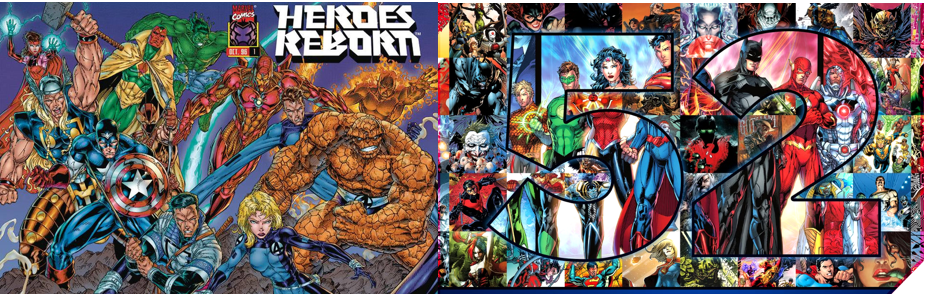
Two real world examples of historic relaunches were Heroes Reborn from Marvel in 1996, and The New 52 from DC in 2011. Both of these campaigns gained worldwide media attention. Credit: Marvel and James Bareham/Polygon/DC

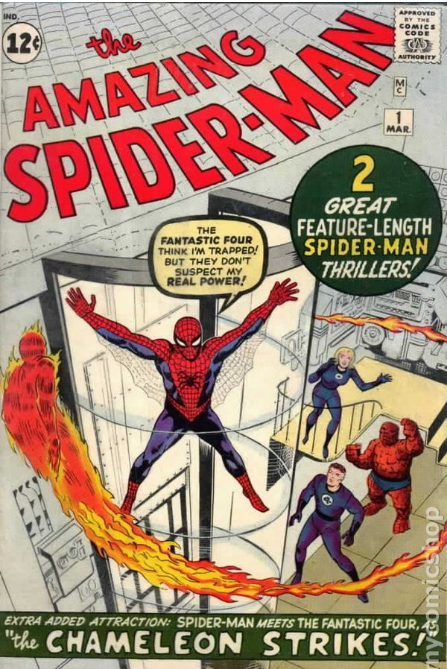
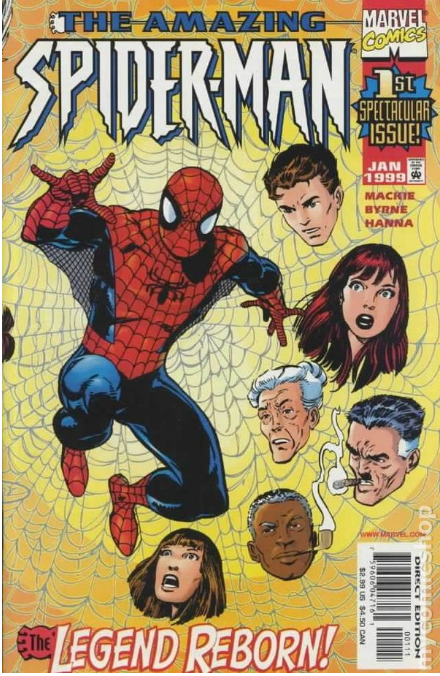
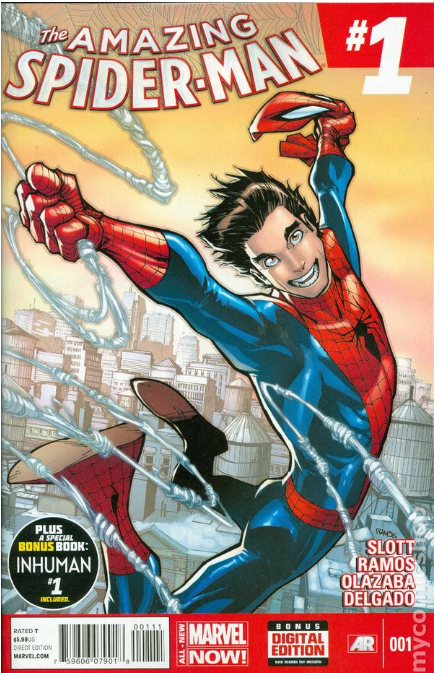
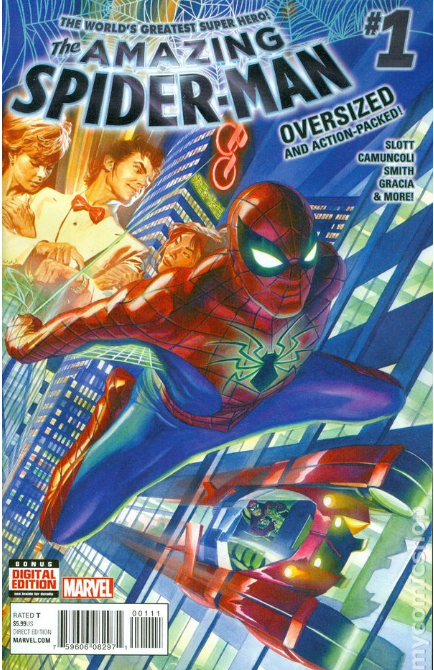
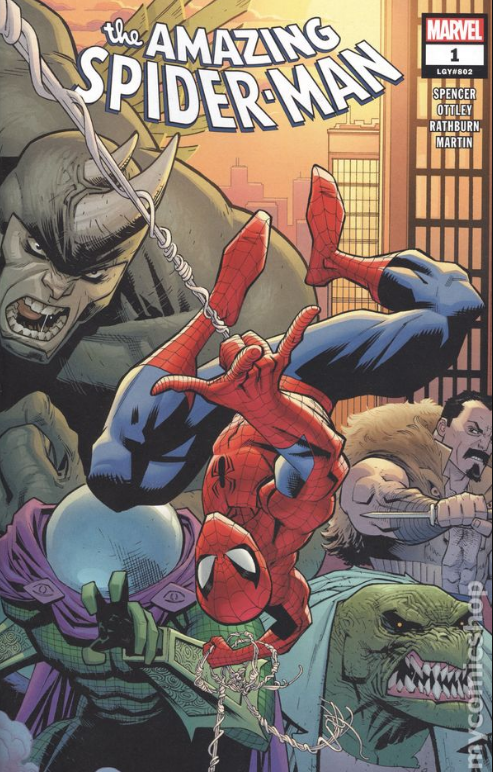
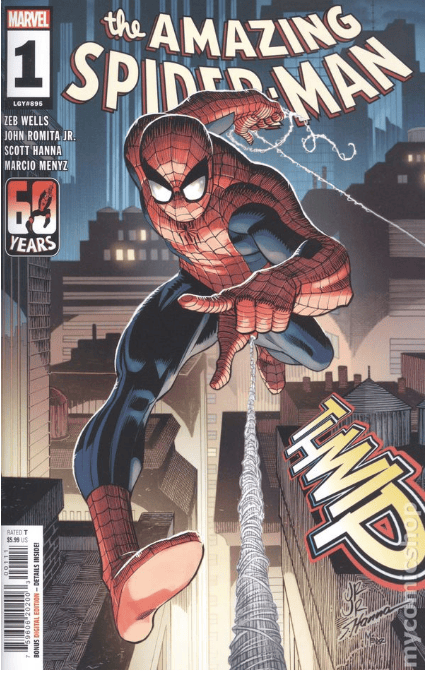
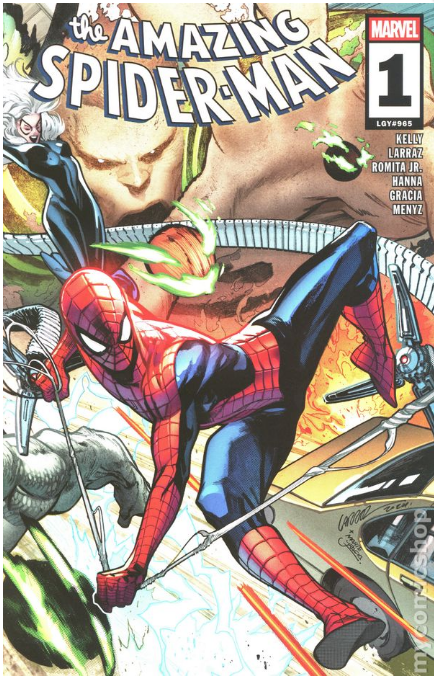
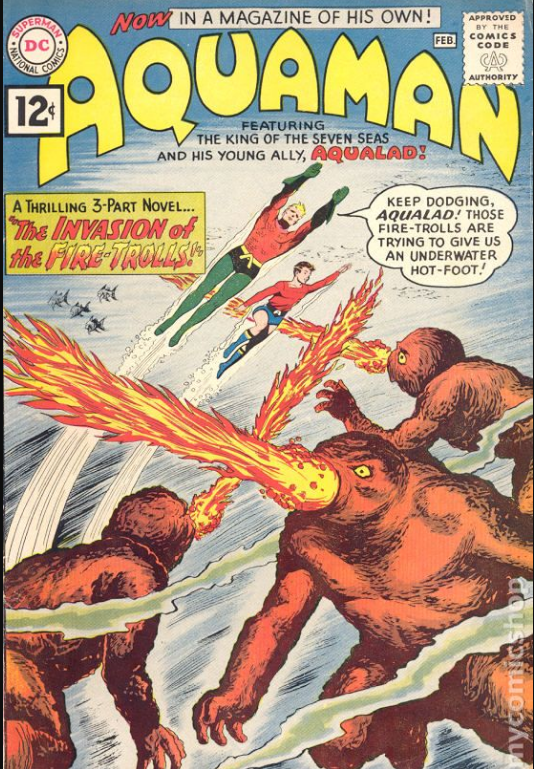
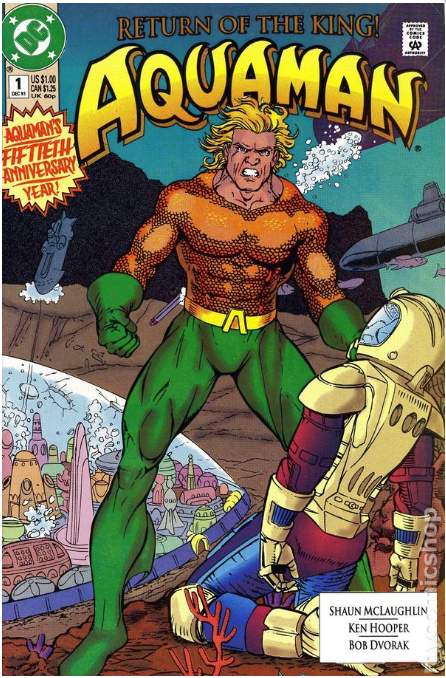
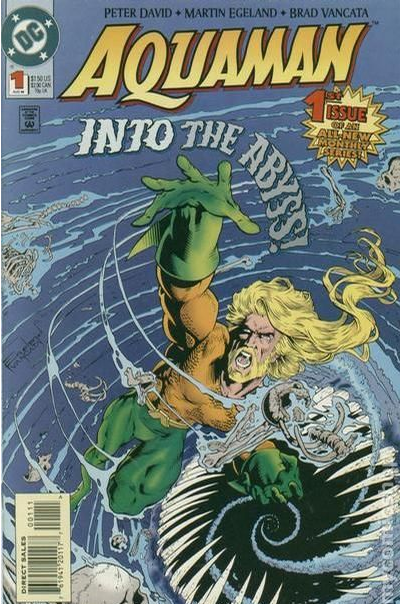
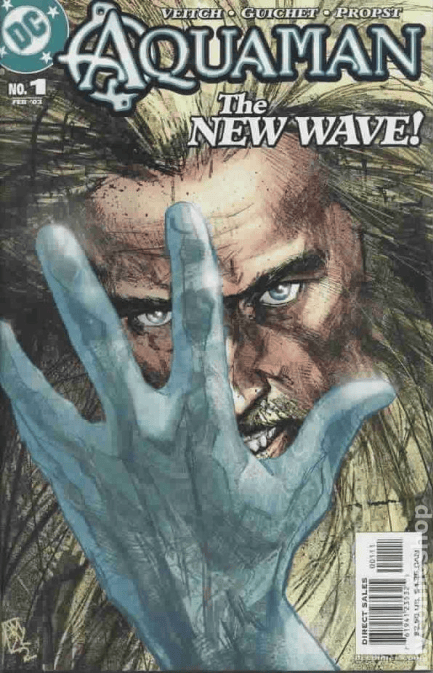
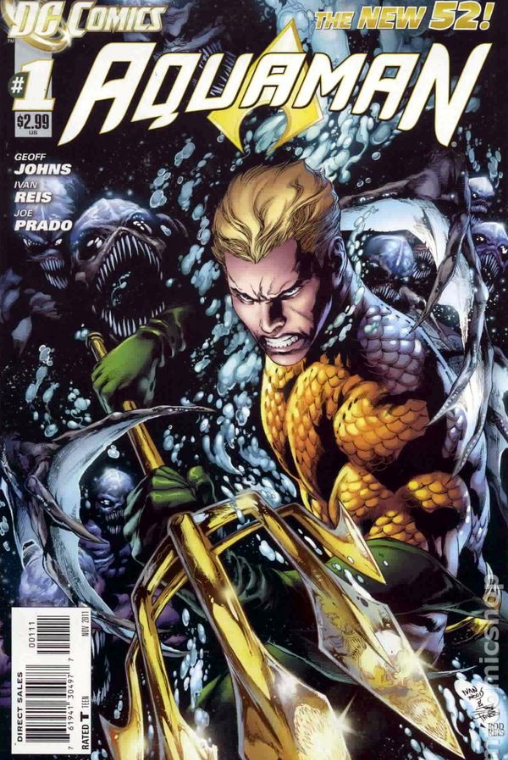
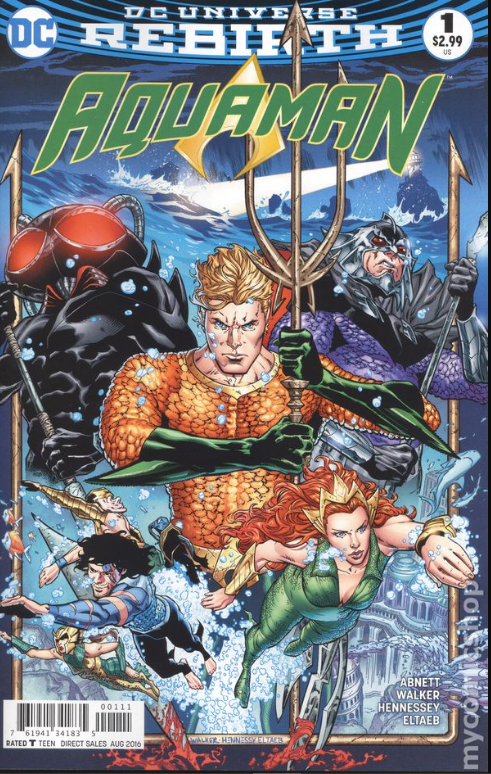
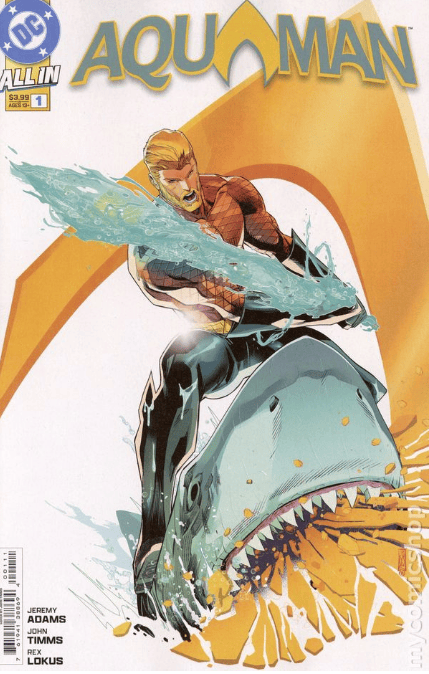
You see, a monthly comic book could be trucking along, well, monthly, and the publisher could decide to change things up, for reasons that I’ll go into. One consequence of this can sometimes mean that the comic book could be relaunched. Effectively, a comic book could be on #28, then the next issue that’s released would be a #0 issue, though typically it’s a new #1.

An example of this may look like this: The Adventures of Geek Man Vol 1, August #28, so the next issue would be: The Adventures of Geek Man Vol 2, September #1. A relaunch basically resets the numbering sequence from whatever the previous issue was, like #28, #147, or #584, to #0 or #1. The volume number changes as well, from Vol 1 to Vol 2.

That sounds interesting and harmless, right? Fair enough, right? Ok, so why would publishers relaunch a title? Great question, thanks for asking! I could be mistaken, but I believe there are several key reasons publishers may relaunch a title. Ultimately, it all comes down to money, as with most things.

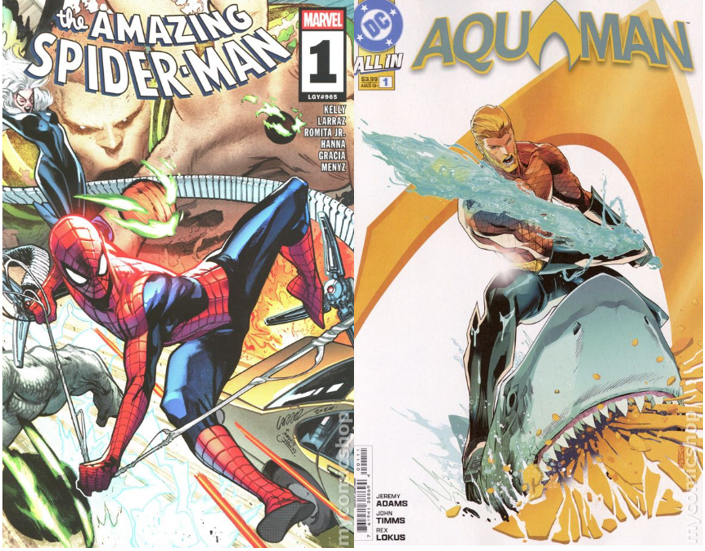
1.) It’s about a sales boost. Traditionally, a new monthly issue #1 will sell more copies than your standard monthly title, especially if it’s, say, #97, #318, or #874. Granted, the sales boost is only temporary and small, but it’s still an increase. Fans would always love to get their hands on a new Punisher #1 or Wonder Woman #1.


2.) It’s a way to celebrate a new creative team. Back in the day, if a new creative team took control of a title, as in a new writer and artist together, the publisher would celebrate by declaring that the team would take the character(s) in a bold, new direction, but continue with the legacy numbering system. But now, maybe 35 issues into a run, the publisher will relaunch the title from #1, in order to promote the new creative team. I mean, if you have the hottest writer and artist working on a new title, why wouldn’t people deserve to have a new #1 to go with the new team?

3.) To draw in new readers by having a new #1 as a jumping-on point for them. Trying to start reading a monthly title that is in its 300s, 700s, or over 1000 issues can be daunting, so a new #1 can make the title more accessible to new readers.

4.) It’s a reason to flood the solicitations with variant #1 covers. By this I mean, what could be cooler than getting a new Thor #1 Cover A? By getting Cover B, C, D, and every other letter of the alphabet as well. A company could say their new #1 sold 450,000 units, but if they have 20 different variant covers, people are not necessarily buying it for the story; they just want the variants.

5.) If a comic book is getting a screen adaptation, whether it’s for a movie or television show, a publisher can relaunch the title to align it with the adaptation. And what better way than a brand new sparkly #1?

6.) This is an odd reason, but it helps with marketing and promoting trades and collected editions. I discovered my local library had two copies of Captain America Vol. 3, but they were written and drawn by different creative teams. Volume 3 is a lot more accessible than Volume 376, right?

There are other reasons, but to me, these are the top six, though they are listed as I thought of them, and no other reason. However, there is an old phrase that relates to relaunches and nearly anything else:

Just because you can do something, doesn’t mean you should.

Now, I’m an old comic book reader, as I’ve been reading and collecting them for decades. And from that experience and perspective, I find the concept of relaunches upsetting. Even though I have laid out the reasons why they happen above, that doesn’t mean I agree with them.

I want the comic industry to thrive and succeed, and I know it’s important to entice new readers; but it’s also important to retain the old readers. So, after reading this blog post, I can only assume you must be asking, “What’s his point?” Another great point, by the way.

The point is that this is the opening salvo of a brand new literary project I am undertaking. What I’m proposing to do is list all of the relaunches famous titles have had; as in giving the title a new #1. I plan on doing this across Marvel and DC to begin with, and then take it from there.

This means that the first entry into this ill-advised venture will be next week. I’m still working out the details, but the blog post will be concerning relaunches with titles that start with “A”, so I’m going in alphabetical order. I don’t know how long it’s going to take, but I’m up for the challenge, and I hope you are too.

And with that, I’m done for another week. Thanks again for reading, following, and subscribing to Some Geek Told Me. Please don’t forget to walk your dog, read a banned book, don’t believe what the office is saying about you, and I’ll see you next week.


1 If you buy a newly released comic book off the shelf in June, it would have August as the month. Many comic book publishers release their full promotional solicitations two months in advance so retailers and readers can pre-order upcoming single issues or other forms of the literature.

Why are the Ultimate and Absolute comics so popular?

Kia ora everybody, and how is November working out for you? I believe it’s going well for Zohran Mamdani, having been elected mayor of New York, but also for Donald Trump, who is enjoying throwing parties, falling asleep at work, and building a ballroom. Not him personally, of course. His bone spurs would prevent him from doing that.

On the other side of the equation, it’s not going so well for Prince Andrew and Nigel Farage, though they seem like two top blokes, so I’m sure they will bounce back.

As for me, I have been thinking about comic books lately, which, to be honest, is fairly typical. Before I prattle on any further, I need to issue a warning to any unsuspecting readers. This blog post will be discussing recent comic books, because…well, you know, I’m a geek. Always have been, always will be.

A few weeks ago, I learnt that Marvel had released a press statement that their comics involving the highly popular Ultimate Universe would end in April 2026. It was also around the same time that I discovered DC’s Absolute Batman #1 was one of the highest-selling comic books of 2024, with nearly 400,000 units sold, along with Marvel’s Ultimate Spider-Man #1, which sold around 450,000 units; both issues had multiple printings.

This, of course, had driven a pop culture splinter into my mind, among other things, which has forced me to ask a very simple question: Why are the Ultimate and Absolute comics so popular?

Because my writing is not always linear, to answer that question, we need to understand what the Ultimate Universe and Absolute Universe are first. Clear as mud? I thought so. Get ready for another pointless lecture.


Credit: Marvel Comics & DC Comics

To build on what I have previously said about this subject, multiverse stories have existed in comics for decades. In fact, it’s one of the jewels in comics’ crown. Setting up well-known characters on different worlds gives the creative teams the freedom to design new costumes, powers, and motivations for their creations, without being part of the main continuity, aka the main line of comic books.

These worlds are comparable to the primary comic book universe represented by various comic companies, yet each one has its own unique differences. I want to emphasise this point: multiverse stories have been a part of comics for decades; they are not a new concept.

Let’s fast forward to the early 2000s, when Marvel launched a line of comics called the Ultimate series: Ultimate Spider-Man, Ultimate X-Men, The Ultimates (The Avengers), Ultimate Fantastic Four, and many others. Marvel designated this world to be Earth-1610, whereas the main Marvel world was Earth-616.

This series of titles reimagined characters like Spider-Man, Captain America, Wolverine, Mister Fantastic, and others to enter a different universe set in contemporary times. By doing this, Marvel allowed new and old generations of readers a chance to experience Peter Parker being bitten by a radioactive spider for the first time, along with Steve Rogers waking up from his frozen sleep in the 21st century, and various other changes. Miles Morales, one of the most popular characters created this century, was born in this world.

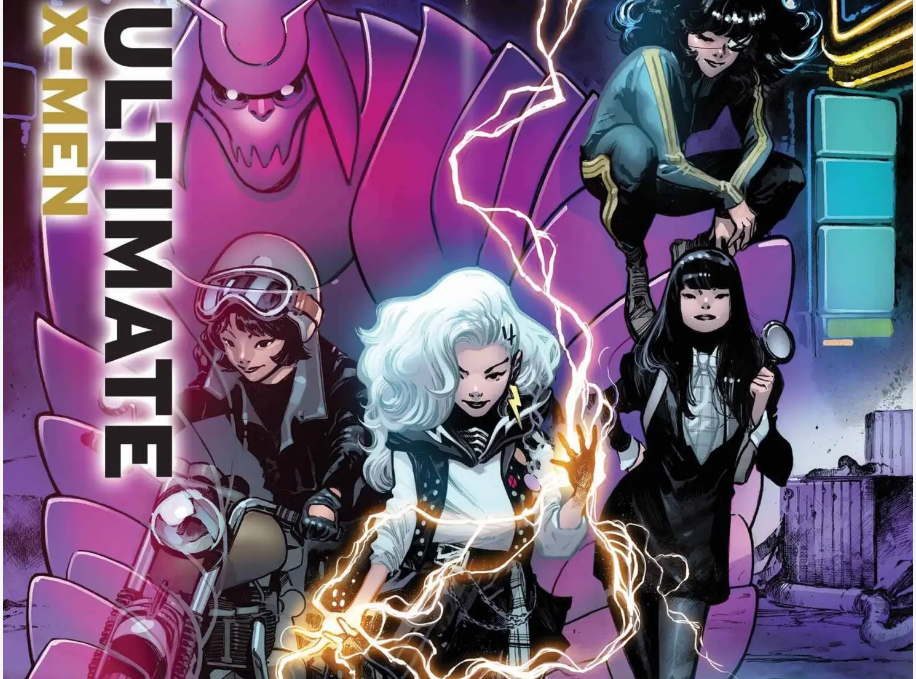
Credit: Ultimate X-Men

The Avengers from the Marvel Cinematic Universe (MCU) are based on the Ultimates, which are the version of the Avengers from that alternate world. These titles proved to be successful, and they lasted for some years before Marvel pulled the plug on the project.

A few years ago, Marvel relaunched the Ultimate line, which set the stories on the same alternative Earth, but to my understanding, the second volume of these titles did not have the same financial and cultural impact as the first round. In the end, the relaunched Ultimate line was closed down.

Let’s travel forward through time and arrive at 2023, when Marvel had started sowing the seeds of the Ultimate line once again; however, this world, Earth-6160, was a totally different Earth. As the months and years ticked by, The Ultimates, Ultimate Spider-Man, Ultimate Black Panther, Ultimate X-Men, Ultimate Wolverine, some mini-series and one-shots were released, to critical and financial acclaim.

In a nutshell, Earth-6160 was changed by the machinations of the Maker, a villainous Reed Richards from Earth-1610, the original Ultimate world. He did some crazy stuff to Earth-6160’s timeline, preventing characters from receiving superpowers or their creation, but also working behind geo-political scenes to control the world with others, who had carved up the world into regions that they control and manipulate.

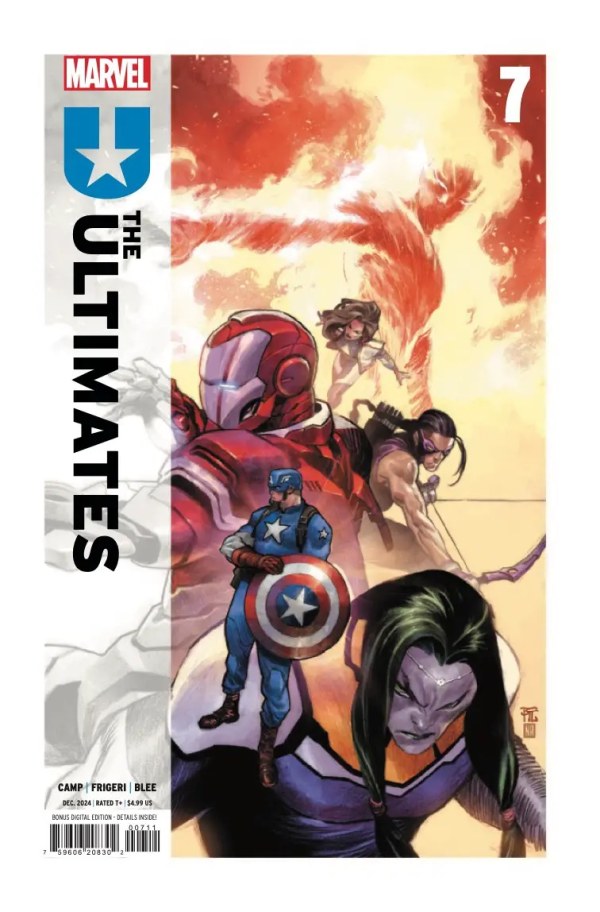
Credit: Marvel Comics

One of the core plot twists is that on this world, Peter Parker did not become Spider-Man as a teenager; he only gained his powers recently, as a married man with two children, which you get to witness. There are also some great redesigns for Black Panther, Hulk, mutants, Moon Knight, as well as having Earth-6160’s Doctor Doom being Reed Richards.

In October 2025, it was announced that the Ultimate Universe would be finishing in April 2026, because if I understand it correctly, that was always going to be the plan. What the condition of the Ultimate Universe will be after the Ultimate: Endgame mini-series is anybody’s guess, but what I can’t see is Marvel completely ending the line, since the characters and titles are popular.

All of the Ultimate Universe comics have been performing very well with monthly sales.

And with that amazing conclusion, we can now shift our attention towards DC’s Absolute Universe.

Identified as Earth-Alpha, this world had been influenced by Darkseid’s energy, having made cameo appearances in some earlier cosmic mini-series. I could be wrong about this, but the Absolute Universe seems to have been created and altered by Darkseid.

The natural order of systems has changed, resulting in villains gaining control and heroes becoming underdogs. This shift has also led to familiar yet distinct versions of the main characters from Earth-One. For example, Bruce Wayne’s mother is alive, and he is not wealthy. Kal-El arrived on Earth as an estimated 11-year-old boy, having been raised by Jor-El and Lara on Krypton rather than by the Kents. Additionally, Diana was trained to be a warrior-witch in Hell by Circe, without the influence of the Amazons.

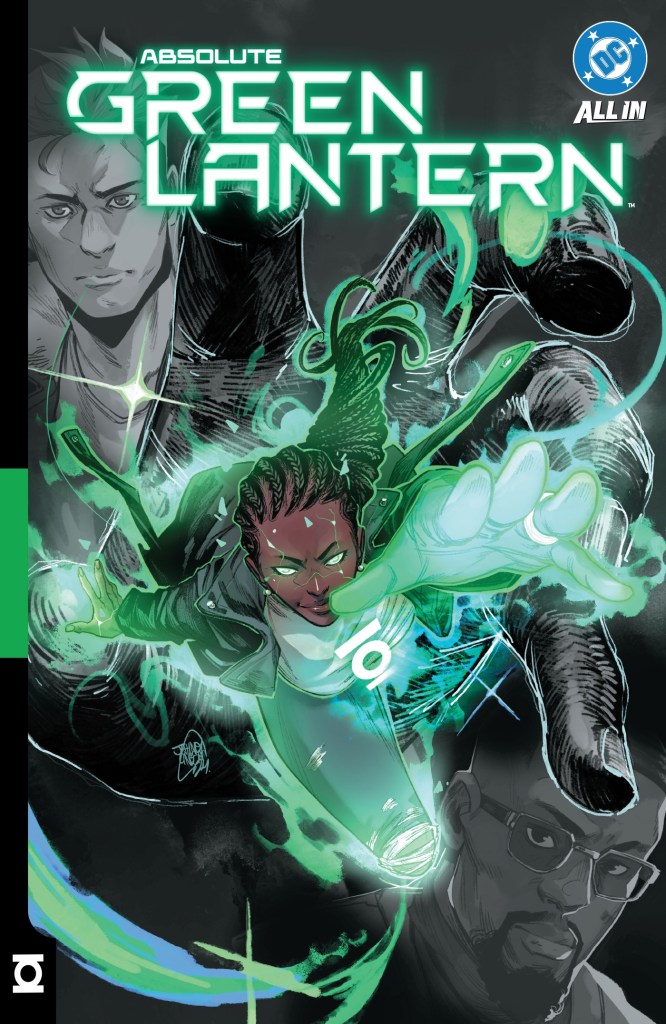
Credit: DC Comics

Like the Ultimate Universe, other titles have been released, like Absolute Martian Manhunter, Absolute Flash, and Absolute Green Lantern, all of which have had something missing or altered in their origin story. This also covers the redesigns for the villains, like costumes, genders, and motivations, in addition to turning Absolute Ra’s al Ghul into an Absolute Superman villain.

In July 2025, Absolute Wonder Woman won five Eisner Awards, claiming awards for Best New Series, Best Writer (Kelly Thompson), Best Colouring (Jordie Bellaire), Best Cover Artist (Lee Bermejo and Mike Deodato Jr.), and Best Lettering (Clayton Cowles).

According to reports, Absolute Flash #1 had over 180,000 pre-orders, which means it was the best-selling Flash comic since 1987’s Flash #1, and Absolute Martian Manhunter #1 sold over 120,000 copies, which is unheard of for a Martian Manhunter title. I have a soft spot for J’onn J’onzz, so I’m really happy for the creative team.

By February 2025, the Absolute Universe comics had sold over 2.5 million units, which includes multiple printings, for various issues across the titles.

So, the Maker has been pulling the strings of Earth-6160, and Earth-Alpha has been influenced by Darkseid. They sound like recipes for disasters to the superheroes, but also successful financial recipes for both companies. So if we have established what the Ultimate and Absolute comics are, why are they proving so popular with readers? Why are both lines outperforming their main counterparts in sales and awards?

I have a theory that consists of many parts, but I haven’t looked into this in great detail, to the point that I would be regurgitating someone’s professional opinion. This is coming from someone who has probably spent far too much love, time and money on comics. This is my opinion, so I haven’t based it on anyone’s work; it’s just me.

Credit: DC Comics

I will be honest about two things:
1.) I am currently buying and reading some Absolute titles; however, for the Ultimate titles, I am reading the trades through the library, so it’s a slow process.
2.) I have not read every single Ultimate or Absolute issue; I’m just doing what I can.

The Art

Obviously, comics without the creative team of artists, inkers and colourists would turn the medium into novels, so they are vital. Having said that, and in my personal opinion, the Ultimate and Absolute art teams have somehow raised the bar slightly.

We all know that monthly comic books are produced on a tight deadline, and if two Flash comics are released in a month, both Flash titles will not look 100% the same, because they were drawn by two different creative teams. If you read X-Men, then you expect Wolverine to look one way, but if you read Wolverine, the creative team is different, so you expect him to look how he looks in that title.

Within roughly two years, readers have become enamoured with the art team’s work on these characters. This comes in the form of fantastic costume redesigns (Ultimate Wolverine), explosions of colours (Absolute Martian Manhunter), and the physical differences of the characters, compared to the main universe versions we all know and love. We now expect to see a spell-tattoo on Diana’s right arm, Peter and T’Challa are rocking beards, and Bruce looks like a jacked-up UFC fighter. The art teams have been swinging for the fences.

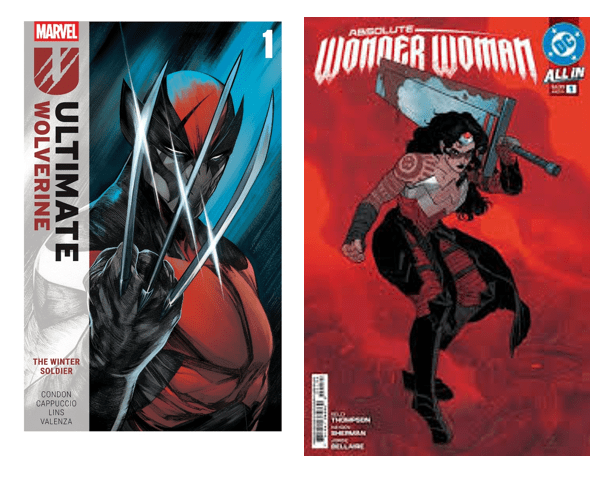
Credit: Marvel Comics

The Writing

In the previous nonsensical section, I just praised the art teams on their stellar productions. I also have to talk about the other side of the coin: the writing.

You could have a comic with poor writing and poor art, great writing and great art, poor writing and great art, and great writing and poor art. Over the years, I have come across examples of these comics, but it always sends shivers down my spine when I read comics with excellent writing and excellent art.

The execution of these lines of comics has been amazing, because it’s been the concepts. The writers have had some roadblocks removed, so ideas have been flowing like an erupting shield volcano. Having both worlds altered by cosmic villains in the guises of the Maker and Darkseid, and having heroes, villains, and supporting characters changed, along with their costumes, has been, once again, in my humble opinion, masterstrokes of creativity and imagination.

J. Jonah Jameson and Ben Parker are portrayed as best friends, while only Thomas Wayne was shot and killed. Logan is depicted as the Winter Soldier, and Kal-El is shown growing up on Krypton. Additionally, Wakanda is in conflict with both the Upper and Lower Kingdoms, and Wally does not access his powers through the Speed Force. These examples illustrate the writing decisions that challenge our understanding of these characters.

Throw in geo-politics, cabals, and characters already going through growth and development, and the writing teams have understood their assignments. They are bringing their stories to the next level.

Credit: DC Comics

The Readers

The comic industry has been complaining about not enticing new readers since Adam was a cowboy. Companies try new strategies to do this, but they need to find the awkward balance of welcoming the next generation of readers while also catering to and keeping existing readers.

It looks like both Marvel and DC have found a niche market with readers, which has surprised even me. I thought I was done with reading monthly superhero titles when Invincible finished, but here I am reading the Ultimate and Absolute comics.

The two Earths (Earth-6160 and Earth-Alpha) cater to new readers because they don’t need 60 years of continuity and reading to understand the characters or previous storylines. They are not bogged down with these concepts because the Ultimate and Absolute comics allow them to experience a world inhabited by superhumans, from the ground floor on up.

New readers can join on Day 1 and follow the characters’ journeys through these two exciting worlds. They don’t complain about how the new heroes compare to the old ones or view these stories as a waste of time. Instead, new readers want to immerse themselves in these worlds. As long as the quality remains high, they will be happy to support the titles. That’s a good thing.

These comics also cater to the old and existing readers. Yes, these readers may have grown up with these fictional characters, so they know them so well, almost like long-distance family members. Now, however much these readers (like myself) like these characters, they are over 60 years old, with some of them over 80 years old.

The result is that the established readers want to see and experience new things with comics, not just the same storylines told differently. By exposing these readers to Earth-6160 and Earth-Alpha, it enables Marvel and DC to maintain those readers, since they are still giving them the adventures of their favourite characters, by doing different things with them.

Watching old heroes and villains emerge with new costumes, powers, and origins is as compelling as the first time they read about them. Who doesn’t want to read about heroes meeting their arch-enemy for the first time? Old readers want to be dazzled and surprised with plot twists and revelations, which can sometimes look forced with the main universe counterparts.

These worlds are new, and their potential and possibilities are endless, which shows how strong the reaction to them has been by the readers, with increasing and strong sales. Like I said earlier, multiverse stories have existed in comics for decades, so the Ultimate and Absolute comics are not an entirely original idea. However, their constant domination in the top 10 monthly best-selling comic books shows us that the mainstream comic industry still has drive and passion for storytelling.

Credit: Marvel Comics & DC Comics

I was not expecting the Ultimate and Absolute comics to be as amazing as they are, but that’s a good thing.

Have you read any of the Ultimate or Absolute comics? What are your thoughts? As always, please let me know.

And that brings this week’s lecture to a close. Thanks again for reading, following, and subscribing to Some Geek Told Me. Please remember to walk your dog, read a banned book, never trust a trash-diving raccoon, and I’ll see you next week.