
I want to take this moment to assure all of my followers, readers, and haters that Some Geek Told Me is totally committed to providing you with the second-from-the-bottom blog experience this side of an NSYNC Reunion Tour. This includes bringing back one of history’s greatest ever literary projects: We Didn’t Start the Fire. The Bayeux Tapestry has nothing on me.
Yes, awesome readers, even though it’s been MIA since 22nd June 2026, We Didn’t Start the Fire is back with another entry to entice your historical leanings. Because I’m a firestarter, twisted firestarter, I have included a list of the amazing previous entries:
We Didn’t Start the Fire: The Beginning
We Didn’t Start the Fire: 1948-1949.
We Didn’t Start the Fire: 1950
We Didn’t Start the Fire: 1951
We Didn’t Start the Fire: 1952
We Didn’t Start the Fire: 1953
We Didn’t Start the Fire: 1954
We Didn’t Start the Fire: 1955
We Didn’t Start the Fire: 1956
We Didn’t Start the Fire: 1957
We Didn’t Start the Fire: 1958
We Didn’t Start the Fire: 1959
We Didn’t Start the Fire: 1960
We Didn’t Start the Fire: 1961
We Didn’t Start the Fire: 1962
We Didn’t Start the Fire: 1963
If this project followed the new FIFA World Cup format, we’d be entering the knockout round, like the round of 32. We are deep into the song now, standing at the precipice of the ninth verse, which actually covers multiple years.1 We have not done this since the start of the song with 1948-1949.
Another interesting point to talk about is the song’s time references, because I have seen both Ho Chi Minh and Richard Nixon back again, grouped under different years. When I get to the reference, I’ll go full geek and explain it. So, there’s nothing left to do but to shake what my Mumma gave me and move on.
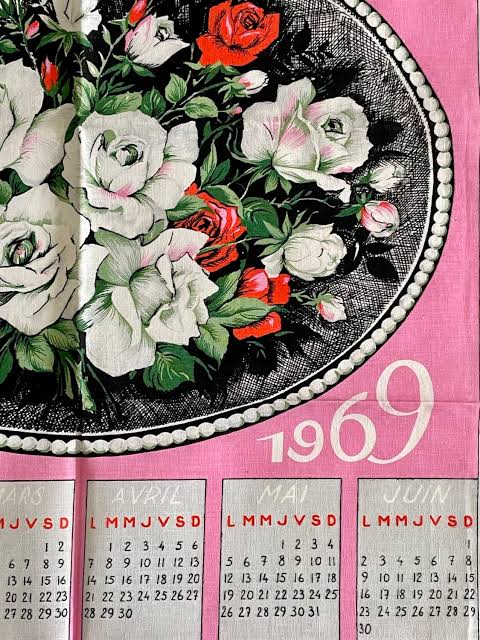
1964
There is no entry for 1964, sadly.
1965
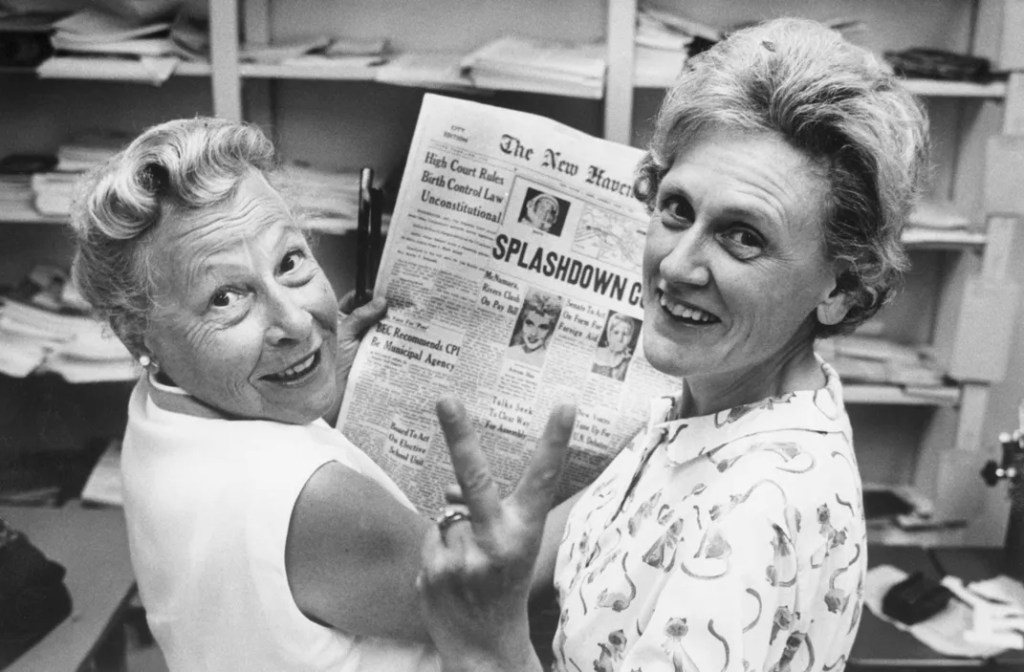
Birth Control
This reference is connected to a court case, Griswold v. Connecticut. On 7th June 1965, a landmark decision was reached by the United States Supreme Court that ruled in favour of the constitutional right for married couples to use birth control. This decision struck down state laws like Connecticut’s that prohibited the use of or recommended contraceptives, and violated the right to marital privacy.
The results of this decision meant that birth control had become legal in the United States for married couples, and eventually, in 1972, it became legal for unmarried people.
The legacy of the 1965 decision is still being played out in courtrooms in the modern setting. The 1973 Roe v. Wade case, which recognised the constitutional right for a woman to choose to have an abortion, was overturned in 2022 by the Supreme Court. The result was that nearly half of the states enacted severe restrictions or total bans on abortions.
1965 (or 1969)
Ho Chi Minh
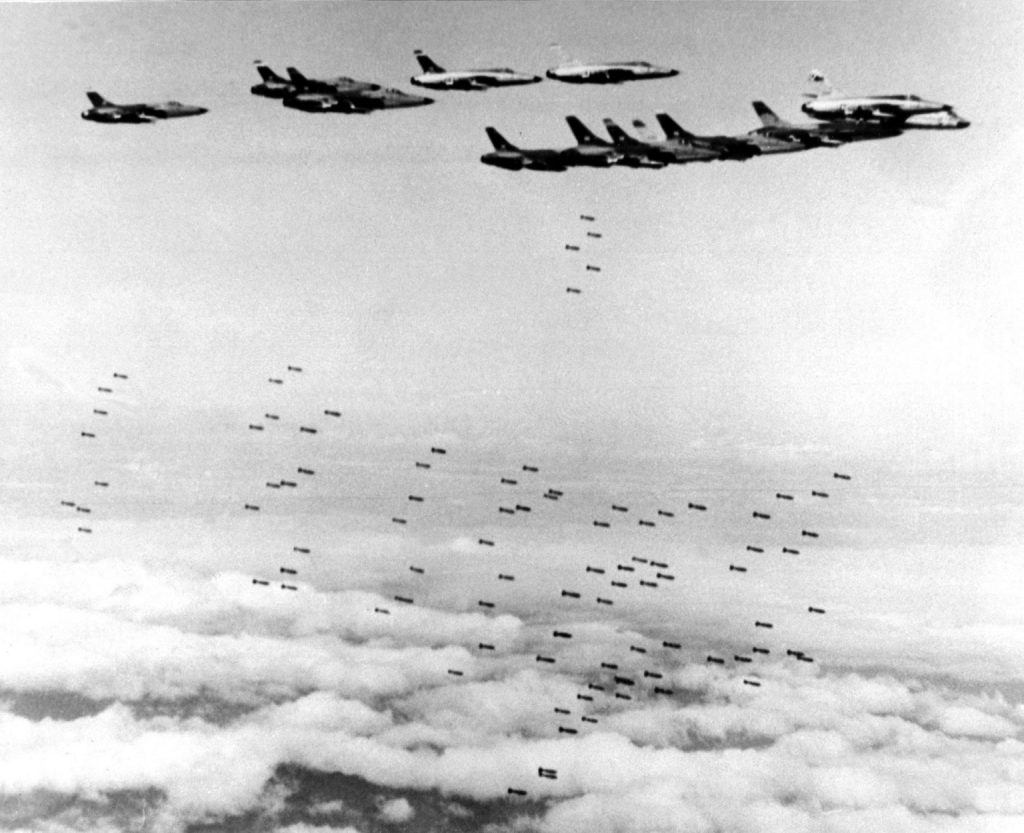
Here is the first of our dual references, with Ho Chi Minh being listed as 1965, as well as 1969. On 2nd March 1965, Operation Rolling Thunder started, which was the sustained and gradual aerial bombardment campaign by US forces against North Vietnam. This foreign policy of trying to bomb the Viet Cong into submission did not work the way they thought it would, as the campaign failed to dampen their resolve or stop the transport of resources across the Ho Chi Minh Trail. This policy dragged and entrenched the United States into deploying more troops into the conflict, which history would later call the Vietnam War.
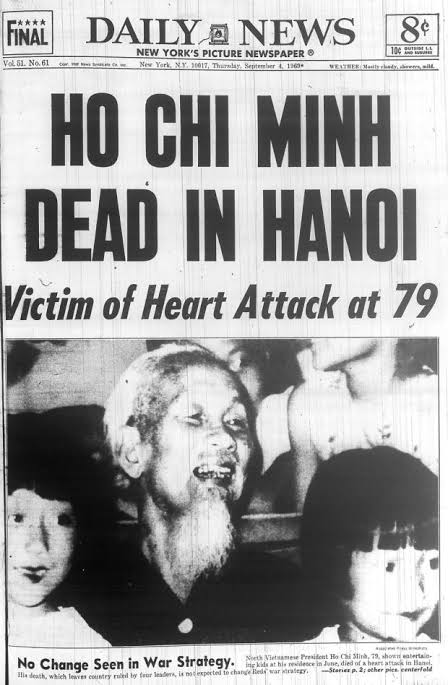
As stated previously, Ho Chi Minh could also serve as a 1969 reference for the President of the Democratic Republic of Vietnam (North Vietnam), Ho Chi Minh. He ruled the country from 1945 to 1969 and was a revolutionary icon who fought against colonial oppression. He died on 2nd September, 1969, which pushed North Vietnam further away from peace with the United States.
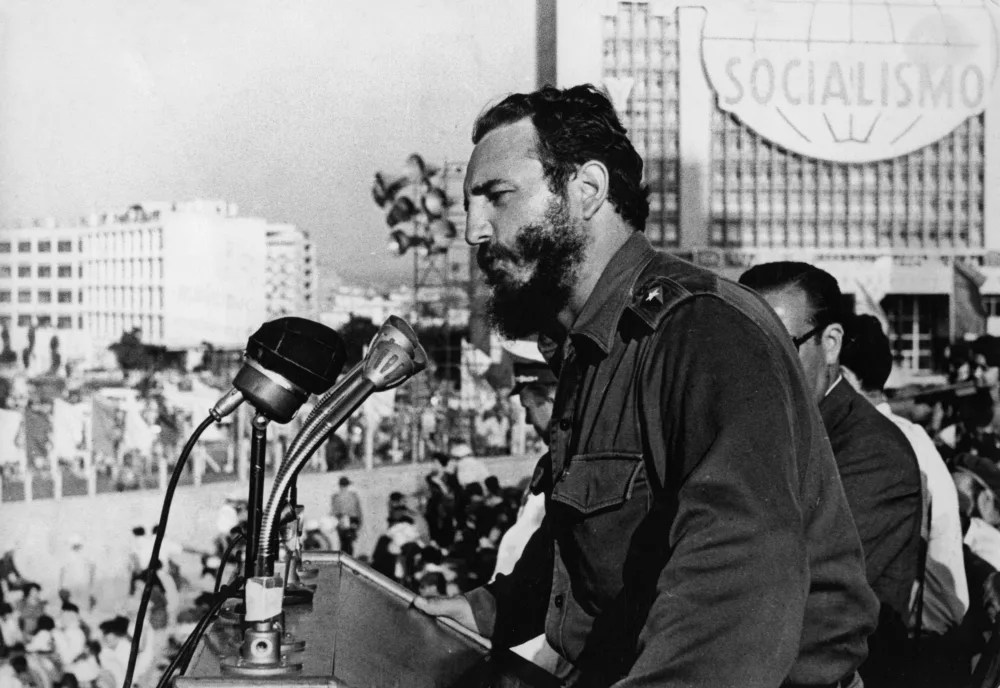
Some contemporary examples of Operation Rolling Thunder and the death of a 21st-century revolutionary icon can be seen in Afghanistan, Ukraine, and the air campaign against ISIS, as well as in the lives of Yasser Arafat, Ahmed Ben Bella, Võ Nguyên Giáp, Nelson Mandela, Fidel Castro, and Hugo Chávez.
1966-1967
Apparently, according to Billy Joel, nothing of note happened in 1966 or 1967. If you listen very carefully, you can hear English football fans screaming about 1966, while in 1967, we had Che Guevara’s death and the Six-Day War, which still influence 2026.
1968 (or 1969)
Richard Nixon back again
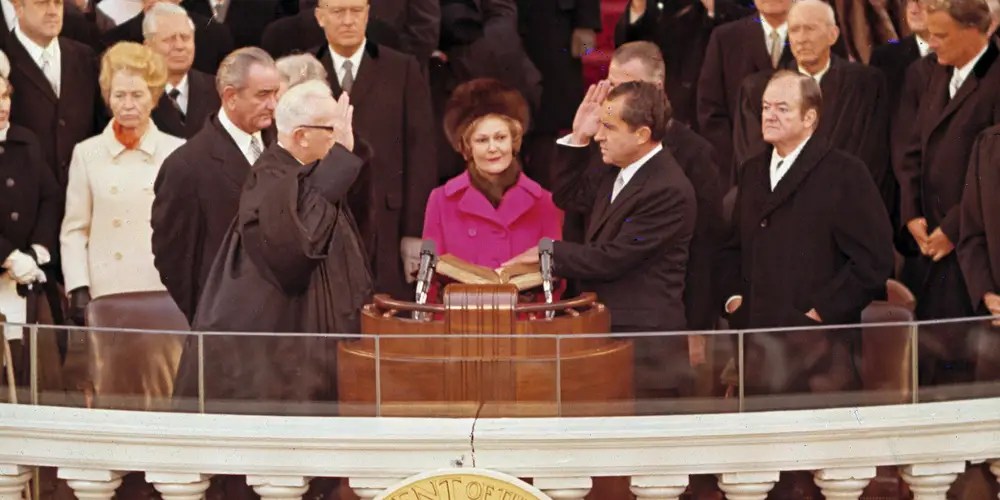
We met Richard Nixon back in 1950, and as the lyrics suggest, he’s back! When listing this reference, it can fall under 1968 and/or 1969, and the reasons are connected. With US federal elections, they are held on “the Tuesday next after the first Monday in November.” So with the presidential inauguration, that is held on either 20th or 21st January. Since you get 10 hours of quality sleep, you’ll see where I’m going with this.
The former United States vice president won the 1968 US presidential election against Hubert Humphrey and George Wallace on 5th November 1968; but he was inaugurated on 20th January 1969, thus putting him under 1968 and 1969.
Its sort of obvious, but 21st century equalivanets of Nixon, would be George Bush, Bill Clinton, George W. Bush, Barack Obama, Donald Trump, Joe Biden, and of course, the return of everybody’s favourite (insert your own word here____________) Trump.
1969
Moonshot
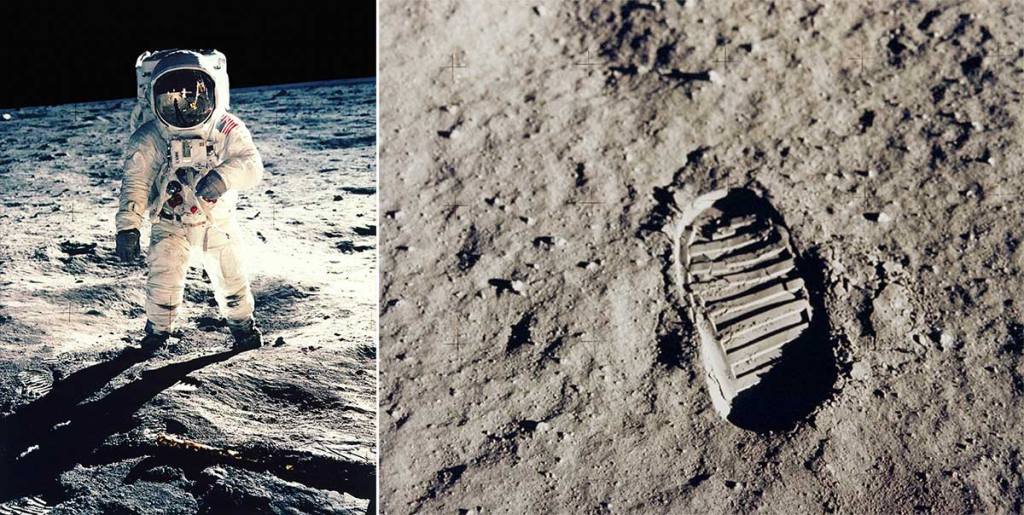
I was born after 1969, but I have talked to many people about the Moonshot reference and their memories of it. Being the clever little bees that you are, you would have deduced that Moonshot refers to the events of 16th to 24th July 1969, especially 20th July.
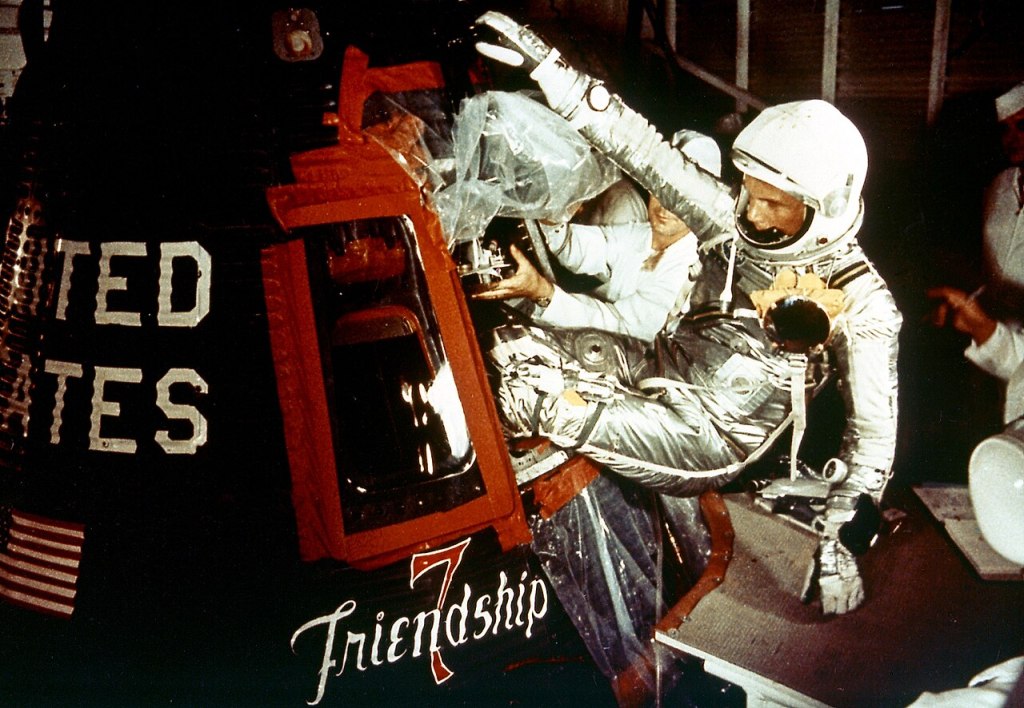
The above dates covered Apollo 11, the fifth crewed mission of NASA’s Apollo program, but more importantly, it was the mission that would land humans on the Moon for the first time. The crew were Neil Armstrong, Buzz Aldrin, and Michael Collins, and on 20th July 1969, the Apollo Lunar Module landed on the Moon, allowing Armstrong and Aldrin to become the first humans to walk on the Moon.
Not to be undone, Collins remained in the Apollo command and service module and set the record for human isolation. He spent roughly 21 hours completely alone in lunar orbit. For 48 minutes during every two-hour orbit behind the far side of the Moon, he was entirely cut off from radio contact with Earth, as well as being over 3,200 km away from his crewmates and over 400,000 km from the rest of the human race.
The legacy of Apollo 11 is the Artemis exploration program, with Artemis IV due to depart for a lunar landing sometime in 2028.
Woodstock
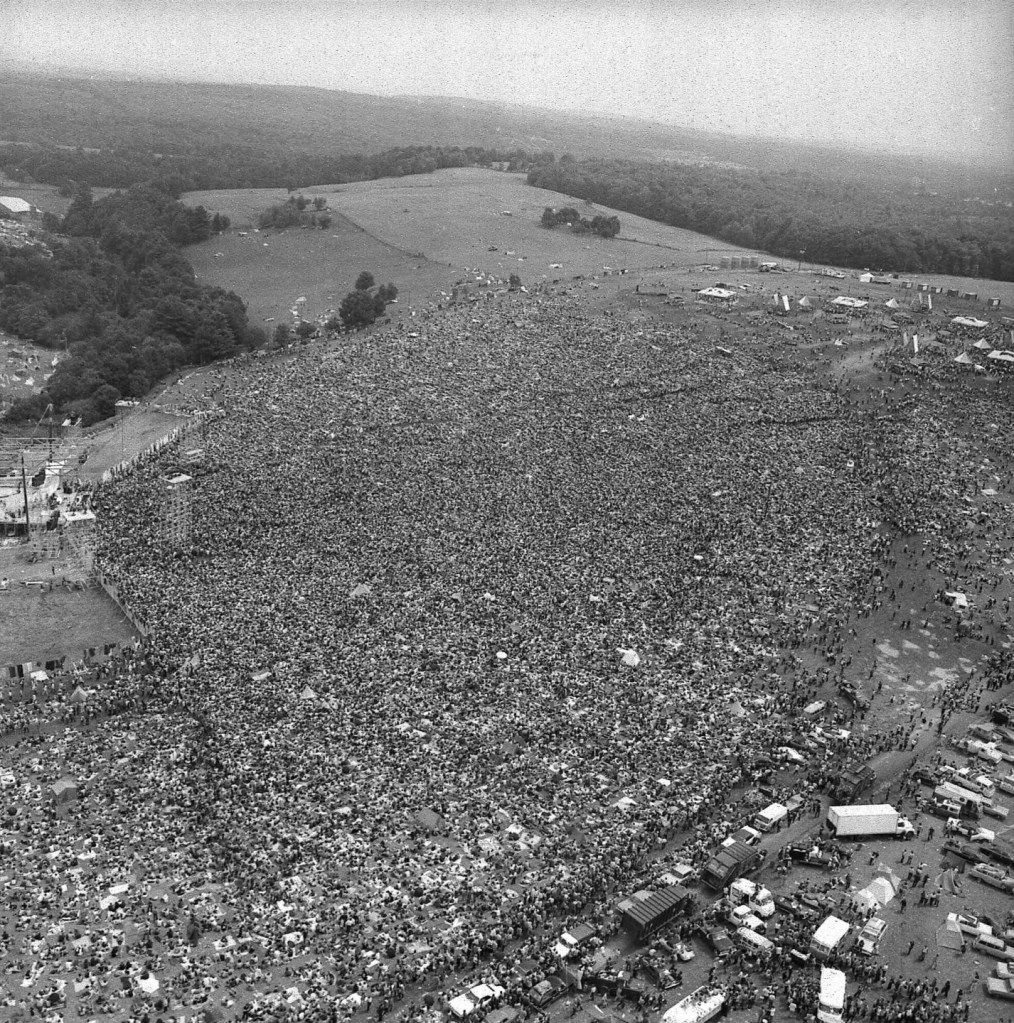
Back in 1969, a music festival was held on a dairy farm in Bethel, New York, which was about 95 km from Woodstock, the town that’s the festival’s namesake. The Woodstock Music and Art Fair, or just Woodstock, was held from 15th to 18th August, and became famous for two main reasons: as it became a focal point for the 1960s counterculture movement, and for having music across various genres.
The first was the size of it; between 460,000 and 500,000 people were estimated to have attended the festival. The second was who actually performed, like Sweetwater; Melanie; Ravi Shankar; Richie Havens; Santana; Quill; Country Joe McDonald; John Sebastian; Canned Heat; Grateful Dead; Creedence Clearwater Revival; Janis Joplin; The Who; Joe Cocker; John Winter; Crosby, Stills, Nash & Young; Sha Na Na; Jimi Hendrix, and many more.
The best examples of modern Woodstocks are annual festivals that draw in hundreds of thousands of people each year. To the best of my geek-influenced mind, these festivals include, in no particular order, Tomorrowland, EDC Las Vegas, Coachella Valley Music and Arts Festival, Lollapalooza, and Glastonbury. To nobody’s shock, Fyre Festival has not made the list.
I have yet to go to any of these festivals, but hope springs eternal.
So for 1964-1969, we covered contraceptives, an aerial bombardment campaign, the death of the President of North Vietnam, the former United States vice president becomes president, the moon landing, and a music festival. This was a weird list because of the skipped years, but hold down your flares, because the 1970s are next, and they are going to mess up the order of this blog.
And speaking of messing things up, let us bring another shambles of a historical lesson to a close. The Warriors and the All Blacks have lost, so my heart is very fragile currently; however, there’s hope the Black Ferns can knock over the world champions next week.
Thanks again for reading, following, and subscribing to Some Geek Told Me. If you like pointless daily facts about nearly anything you can think of, my Twitter and Mastodon are for you. Please don’t forget to walk your dog, read a banned book, go talk to a grandparent, and I’ll see you next week, when once again I try to be funny and fail.
1 In reality, its the remainder of the 60’s.










You must be logged in to post a comment.