The Six Nations Rugby Championship: The Trophies

So, you’ve returned for the sequel? Can’t say that I blame you, because this blog is as addictive as a tub of Cookies and Cream ice cream on a hot day. Seriously, I’m glad you have popped in for the full story. Imagine watching only Kill Bill Vol. 1 and not Kill Bill Vol. 2?

Let’s recap: last week on Some Geek Told Me, Raúl was confronted with the reality that his identical twin brother Carlos had been secretly taking over his life. This included his job, children, and his wife, Isabel. Heartbroken, yet also full of rage… wait. This is the wrong story, sorry.

Last week, we discussed the history of the Six Nations Rugby Championship, which, as you will recall, comes in three different versions: Men’s, Women’s and Under-20s. It also falls to me to remind you that the Six Nations Championship is made up of not three, four, or even five different countries.

No, believe it or not, but the Six Nations Championship has six different countries competing in three different tournaments. These countries, once again, are England, Wales, Scotland, Ireland, France, and Italy.

I know you can’t wait for the second part of the blog, which is going to discuss the different trophies involved in the Six Nations Championships. The excitement for this is genuine for me, dear reader. Therefore, I shall delay you no longer! Let us begin with The Six Nations Rugby Championship: The Trophies!


Credit: Ball Carrier

For this rant, we are going to start in reverse order, which means we will begin with the Six Nations U-20s Championship. I know I’m delaying the transfer of this exciting information, and I’m sorry, but there are three terms that are going to come up across the tournaments that I need to explain.

Triple Crown: This trophy/title is played for between the Home Nations of England, Wales, Scotland and Ireland. It is only awarded to the team that defeats all three of the other Home Nation teams.

Grand Slam: This title is awarded to the team that beats all of the other five teams; basically, it goes to the team that is undefeated at the end of the tournament.

Wooden Spoon: This honour is given to the team that finishes last on the table. It’s an award you don’t want to win.

The Six Nations Under 20s Championship Trophies

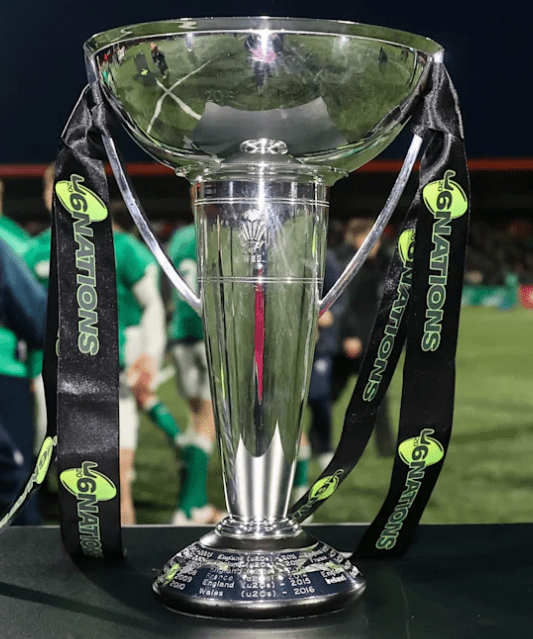
The Six Nations Under-20s Championship Trophy

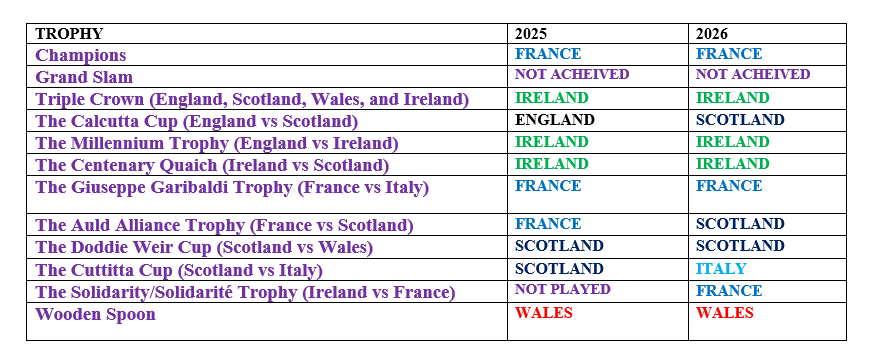
This trophy is awarded to the team that has the greatest total of points on the table by the end of the fifth and final round of the tournament; effectively, the winners of the championship. France won this trophy in 2025.

The Six Nations Under-20s Championship Trophy. Credit: Guinness Six Nations

The Six Nations Under-20s Championship Triple Crown

To my best understanding, the Six Nations Under-20s Championship Triple Crown is not a physical trophy, but rather a title. It’s played for every year, but it’s not always given out. The last time the Triple Crown was awarded was in 2023 to Ireland, for defeating the other Home Nations of England, Wales, and Scotland.

The Six Nations Under-20s Championship Grand Slam

Like the previous entry, and as far as I can tell, the Six Nations Under-20s Championship Grand Slam is not a physical trophy, but a title. The Grand Slam was last won in 2023, when Ireland defeated all of the other five teams.

I have researched this, but it appears there are no rivalry trophies in this tournament. If I’m wrong, please let me know.

The Women’s Six Nations Championship Trophies

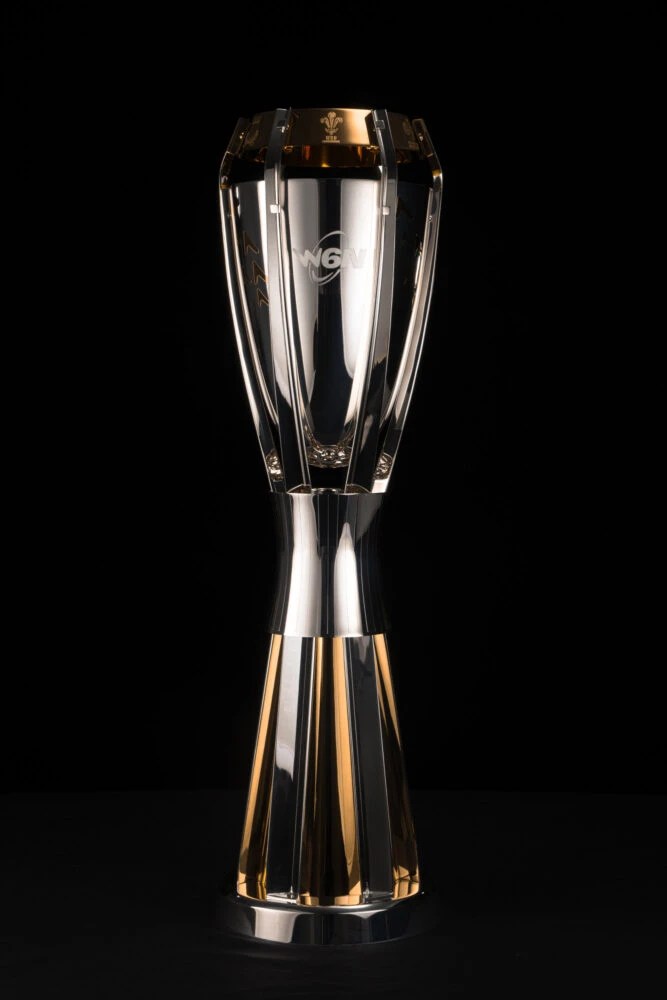
The Women’s Six Nations Championship Trophy

In 2023, a new Women’s Six Nations Championship trophy was unveiled, replacing the old one. This silver trophy is 63.5 cm tall and has a 24-carat gold plate. The winner of the tournament, the team with the most points on the table, at the end of the fifth and final round, is awarded this trophy. It also has the engraved logos of the six competing teams. The defending champions are England, having won the trophy for the last seven years.

The Women’s Six Nations Championship Trophy. Credit: Thomas Lyte.

The Women’s Six Nations Championship Triple Crown

Similar to what I’ve previously said, I believe that the Women’s Six Nations Championship Triple Crown is a title, rather than a physical trophy. However, England has won this title for the last nine out of ten years, the last being in 2025. The 2021 tournament was altered because of COVID-19 restrictions.

The Women’s Six Nations Championship Grand Slam

It’s important to note that England are the reigning world champions, and it will come as no surprise that this team has also won the Grand Slam title in 2025, as well as in 2024, 2023, 2022, 2020, and 2019. The COVID-19 pandemic prevented them from achieving the Grand Slam in 2021.

The Women’s Six Nations Championship Wooden Spoon

This is the first Wooden Spoon we have discussed, as it’s a non-award, and not an actual wooden spoon; though that would be amazing! Currently, Wales has been awarded the Wooden Spoon for finishing last in 2024 and 2025.

The Solidarity/Solidarité Trophy: Ireland vs France

Information surrounding this is very sparse, but to my understanding, there is only one rivalry trophy in the Women’s Six Nations Championship, but again, I could be wrong.

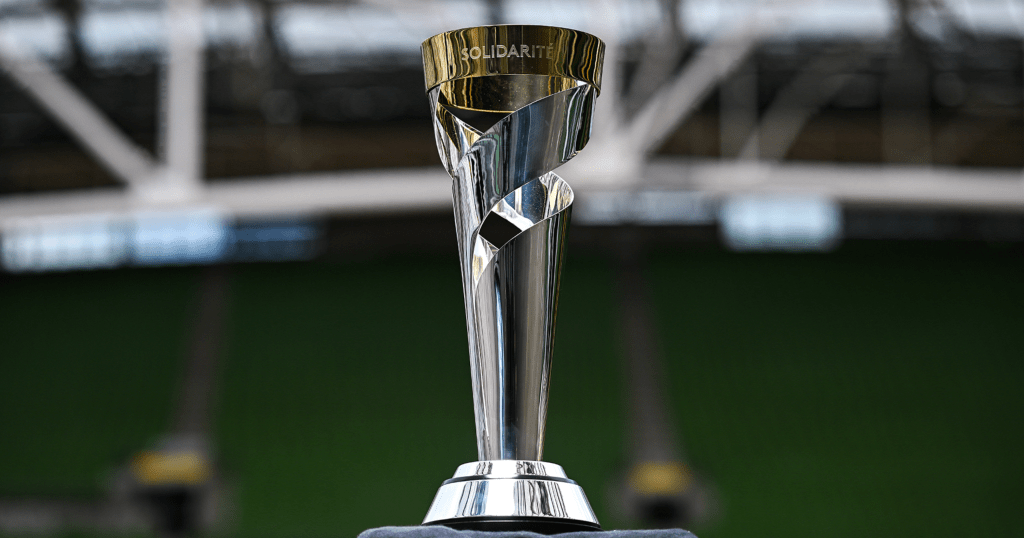
The Solidarity Trophy is brand new for the Women’s Six Nations Championship, as it was introduced in 2026; so it has not been played for in the women’s tournament. The Irish Rugby Football Union (IRFU) and the French Federation of Rugby (FFR) only revealed this trophy to the public last week.

There are two identical trophies, one for the women’s tournament and one for the men’s, to be competed for between Ireland and France. The trophies,” affirms equal status for both competitions and strengthens the symbolic impact of this joint initiative,” but also highlight the unique relationship and mutual respect between the two countries. The women’s game between Ireland and France is set for 25th April 2026 at Stade Marcel-Michelin, Clermont-Ferrand, France.

The Solidarity Trophy: Six Nations Rugby

The Men’s Six Nations Championship Trophies

The Men’s Six Nations Championship Trophy

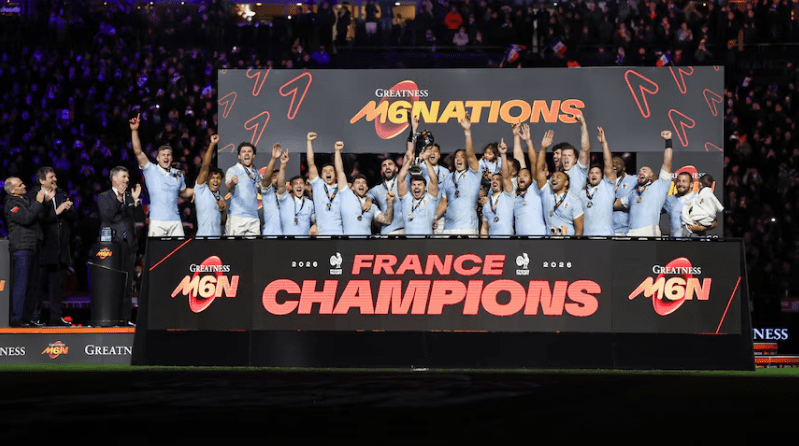
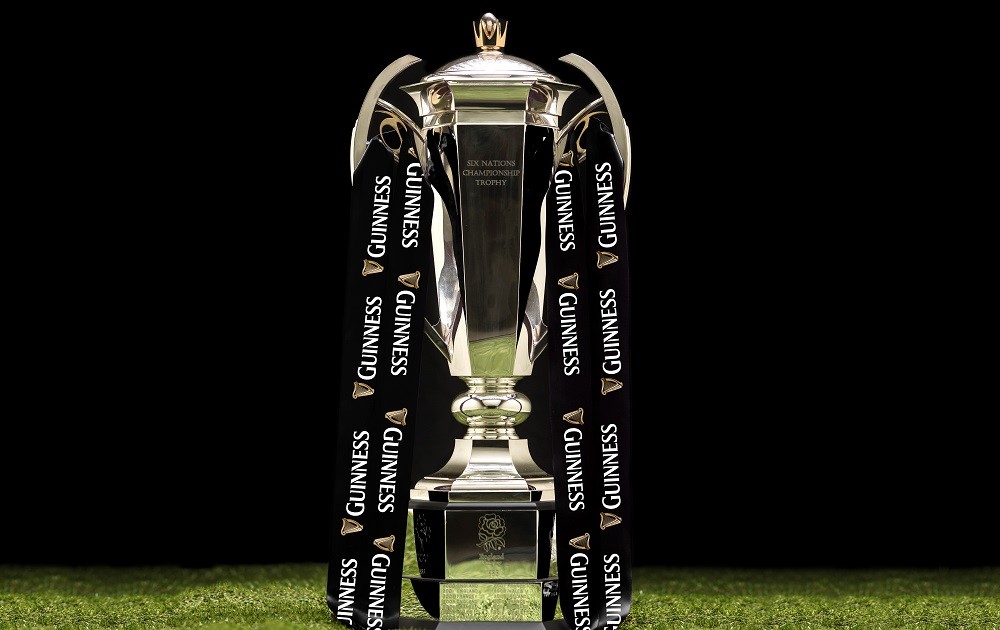
The current Men’s Six Nations Championship Trophy was introduced in 2015, after the older one was retired. The trophy is made of sterling silver, weighs 7 kg, is 75 cm in height, and has 24-carat gold plating. This trophy also has six sides, representing the six countries that compete in the tournament.

As you would expect, the trophy is awarded to the team with the highest amount of points on the table, after the fifth and final round. France is the current holder of this trophy, having won it in 2025.

The Men’s Six Nations Championship Trophy. Credit: Guinness Six Nations.

The Men’s Six Nations Championship Triple Crown

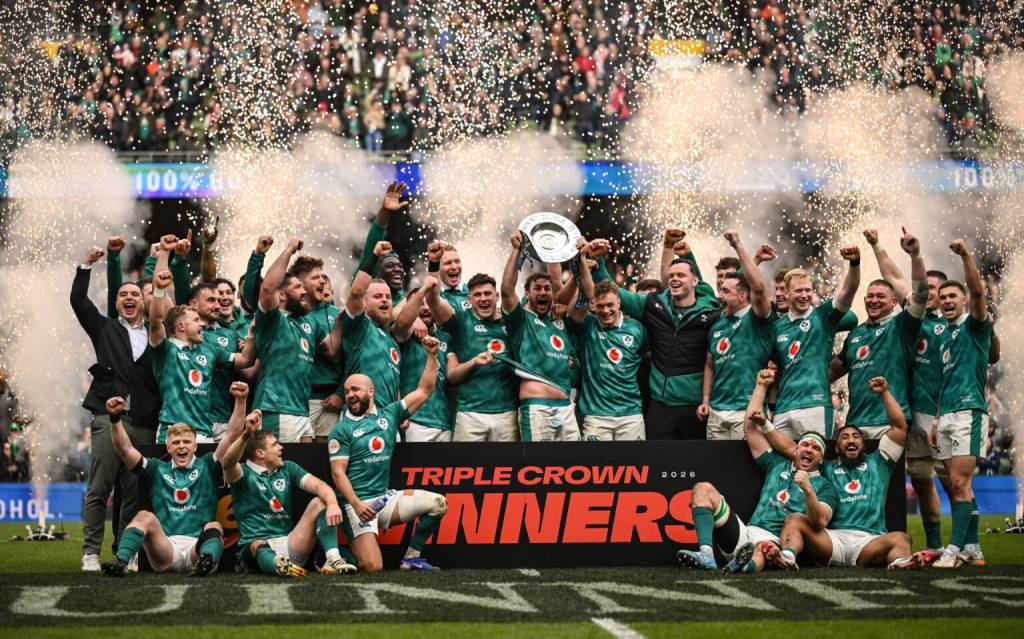
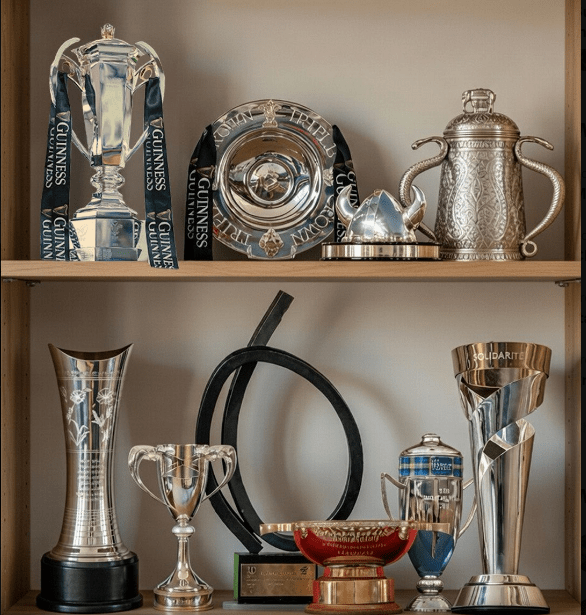
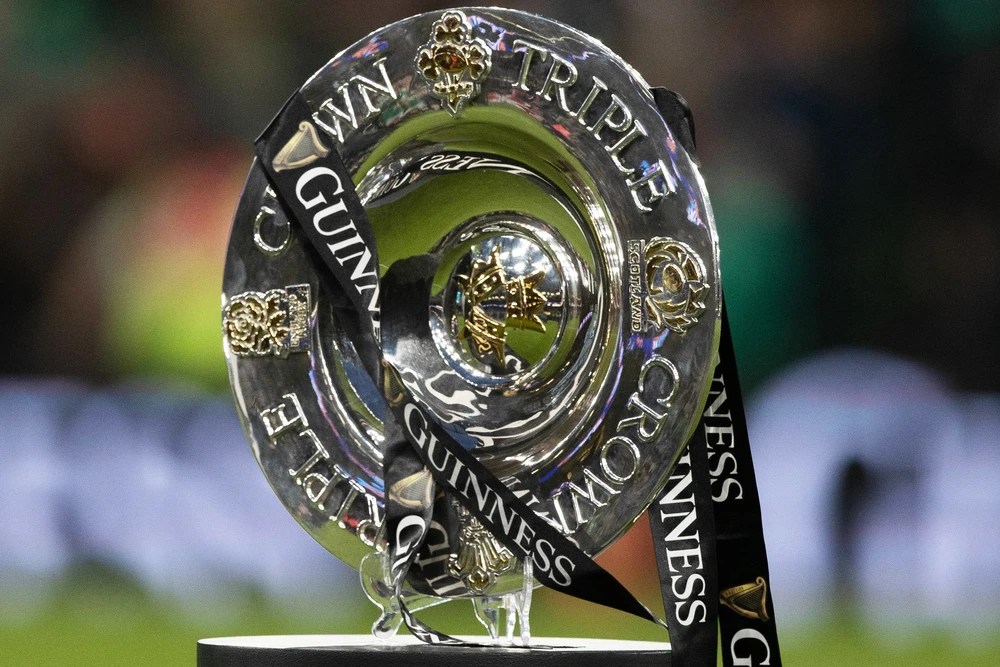
Winning the Men’s Six Nations Championship Triple Crown comes with a title, but also a trophy. The Home Nations have been fighting for this honour since its inception in 1883, but it wasn’t until 2006 that a trophy was introduced. The trophy is more like a plate or a shield, which is made of sterling silver, has a width of 42 cm, a depth of 5 cm, and weighs 3 kg.

The Triple Crown Trophy has four different symbols that represent the four Home Nations of England, Wales, Scotland and Ireland: a rose, the Prince of Wales feathers, a thistle, and a shamrock. In 2025, the Triple Crown was won by Ireland, who had previously won it in 2023 and 2022. No team won the Triple Crown in 2024.

The Men’s Six Nations Championship Triple Crown. Credit: Getty Images

The Men’s Six Nations Championship Grand Slam

Like the U-20s and the Women’s tournaments, the Grand Slam in the Men’s Six Nations Championship is an honorary title. Achieving the Grand Slam is extremely difficult because you need to defeat the five other teams, which is why nobody has done so since Ireland in 2023.

The Men’s Six Nations Championship Wooden Spoon

The Wooden Spoon award was first introduced during the Home Nations Championship, but since the start of the Six Nations Championship, which was renamed in 2000, four of the six teams have claimed it. Sadly, like the Welsh Women’s team, the Men’s Welsh team have been awarded the Wooden Spoon for 2024 and 2025.

The Men’s Six Nation Championship Rivalry Trophies

Apart from the Championship Trophy and the Triple Crown, and not including the honorary titles of the Grand Slam and the Wooden Spoon, there are an additional eight trophies that are competed for during the Men’s Six Nations Championship. However, not every team can compete for every trophy, because they are known as rivalry trophies. In the case of a draw, the holders of the trophy retain it.

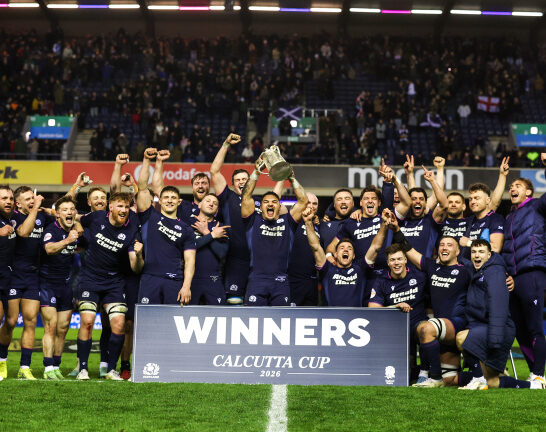
The Calcutta Cup: England vs Scotland

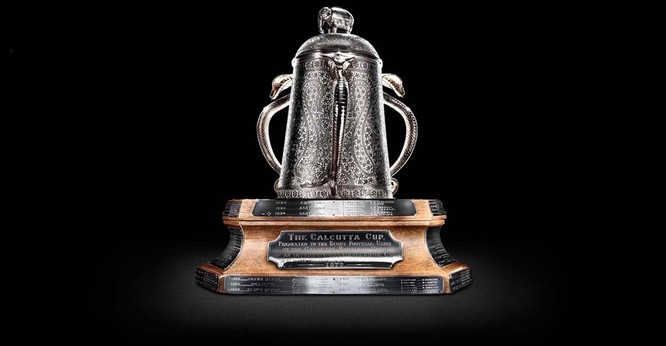
Let’s start with the oldest and most famous of the rivalry trophies, the Calcutta Cup. This trophy was first introduced in 1879, making it the planet’s oldest international rugby trophy. If I understand the story correctly, the Calcutta Rugby Football Club was formed in Calcutta, at the time, in British India.

This was after a rugby game was played in Calcutta in 1872, involving 40 players, which equals 20 players per side, whereas today, it’s only 15 players per side, not counting the reserves. One team represented Scotland, while the other represented England.

A few years later, the club’s membership was decreasing, so the members did something radical. They withdrew the club’s funds, melted the money down, and formed a trophy. This trophy was presented to the English Rugby Football Union and was named the Calcutta Cup. Because of this, only England and Scotland compete for this trophy, and the winner of the fixture is awarded it. The 2025 winners of the Calcutta Cup were England.

The Calcutta Cup. Credit: Raeburn Foundation.

The Millennium Trophy: England vs Ireland

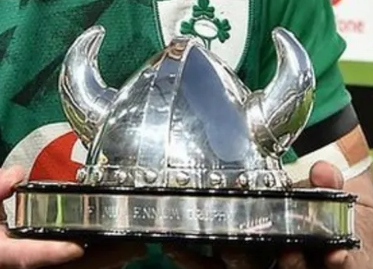
The Millennium Trophy has the shape of a horned Viking helmet, though historical evidence suggests that Viking warriors did not wear horned helmets in battle. The trophy was introduced in 1988 to commemorate two key events, which were to mark Dublin’s millennial celebrations, as well as the 100th game between England and Ireland.

The winner of the 100th fixture between the two nations, England, was presented with the trophy, which was intended to be a one-off prize, but soon became an annual trophy for the winner of the English and Irish game. Ireland is currently the defending champion of the Millennium Trophy, having won it in 2025.  

The Millennium Trophy. Credit: Six Nations Rugby/Getty Images.

The Centenary Quaich: Ireland vs Scotland

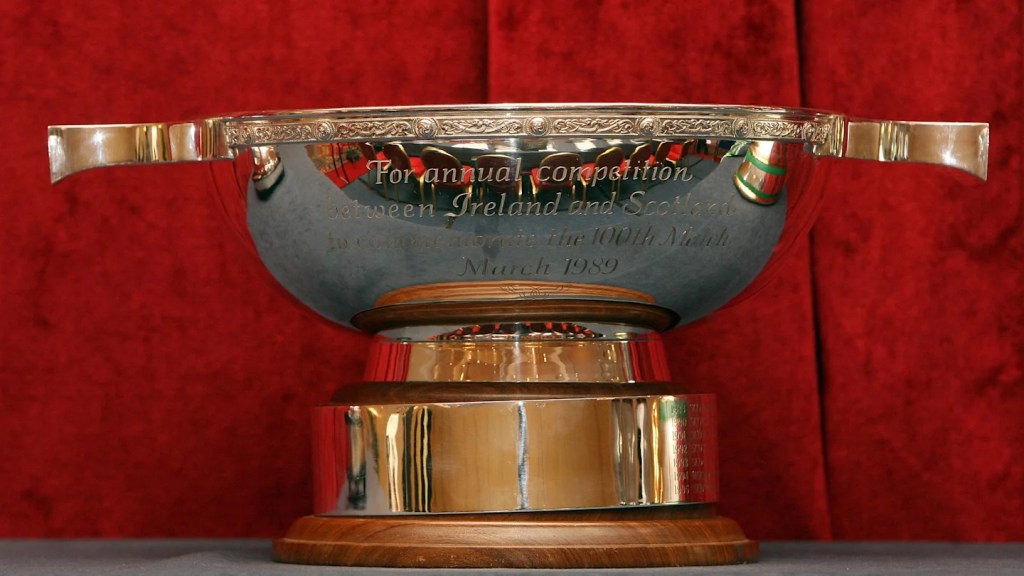
Let’s start with what a quaich actually is. Pronounced as “kway-kh“, a quaich is a Gaelic drinking vessel which has two handles, so you can share the drink with someone. In 1989, the Centenary Quaich was introduced to mark the 100th anniversary of the International Rugby Football Board (now World Rugby), but also, if my research is accurate, it was also to mark the 100th fixture between Ireland and Scotland.

Additionally, the Centenary Quaich represents the cultural bond between Ireland and Scotland. This trophy is competed for annually between Ireland and Scotland during the Men’s Six Nations Championship, with Ireland being the current holders of the Centenary Quaich since 2018.

The Centenary Quaich. Credit: Guinness Six Nations

The Giuseppe Garibaldi Trophy: France vs Italy

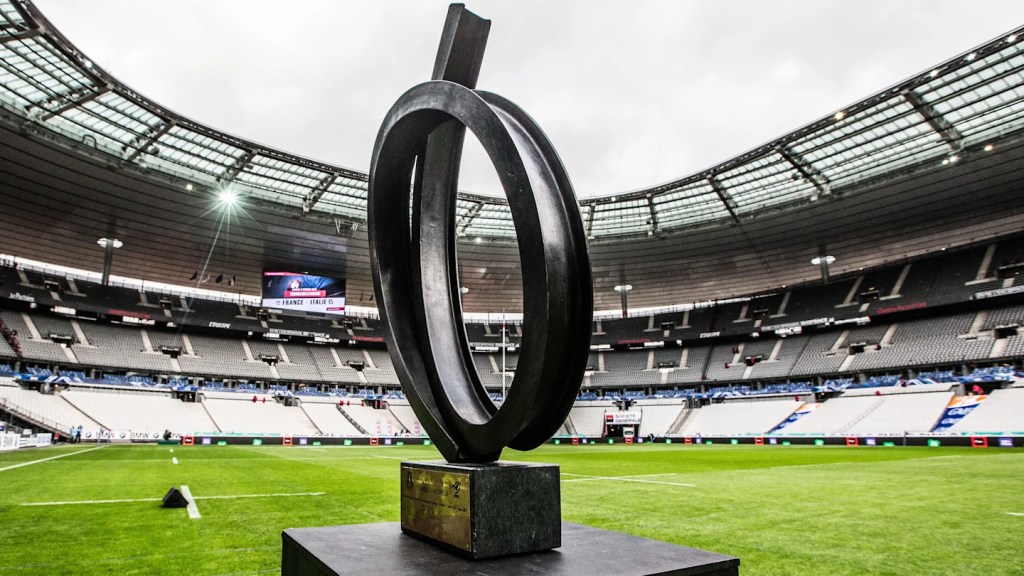
France and Italy slug it out for a separate trophy, called the Giuseppe Garibaldi Trophy. It was introduced in 2007 to commemorate the bicentenary of the birth of Giuseppe Garibaldi. He was a figure in both Italian politics and French military history, so the French and Italian Rugby Unions commissioned a trophy to acknowledge Garibaldi’s contributions to both countries, as well as the rugby bond between them.

The Giuseppe Garibaldi Trophy is awarded to the winner of the French and Italian game during the Men’s Six Nations Championship, with France being the defending champion, having held the trophy since 2014. In 2024, the game resulted in a 13-all draw, so France retained the trophy.

The Giuseppe Garibaldi Trophy. Credit: Six Nations Rugby.

The Auld Alliance Trophy: France vs Scotland

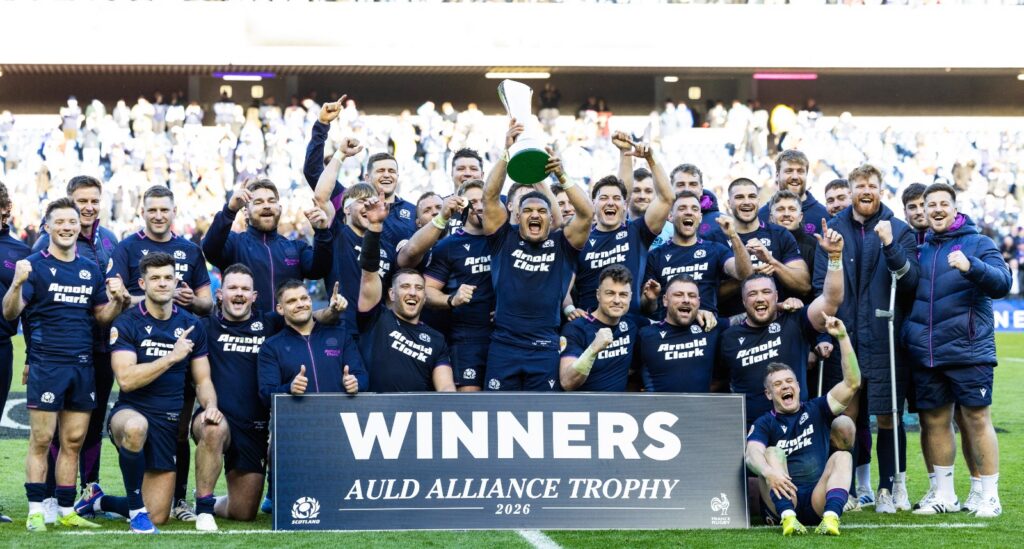
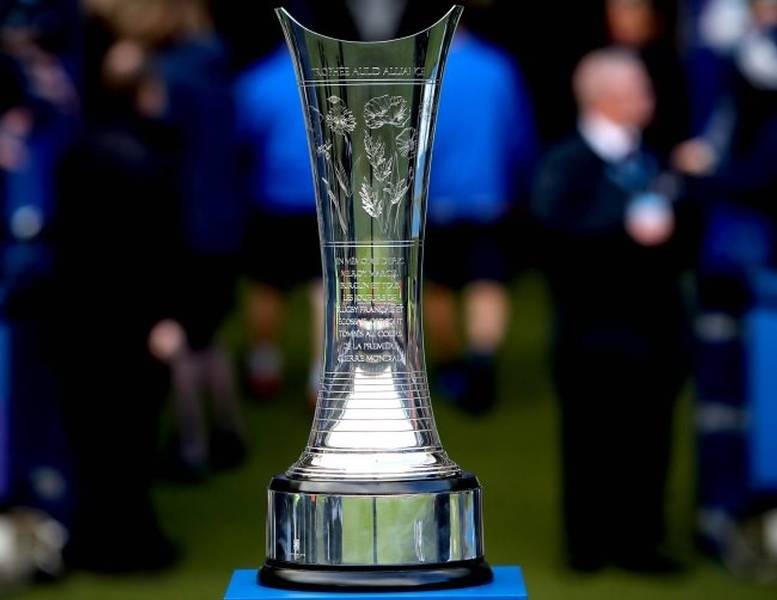
The Auld Alliance Trophy was first awarded in 2018, and it is played for annually during the Men’s Six Nations Championship between France and Scotland. The trophy is named after the 1295 alliance between France and Scotland, which at the time were both kingdoms.

The term “Auld Alliance” means “Old Alliance” in Scots. In addition to this, the trophy represents two things: the first is to commemorate the 100th anniversary of the end of World War I, and the second is dedicated to the memory of the war dead from the rugby communities of France and Scotland.

The trophy especially highlights the memories of Eric Milroy from Scotland and Marcel Burgun from France, as they were the two captains of both teams involved in the last game between Scotland and France, before the outbreak of the First World War. Sadly, both Milroy and Burgun were killed in France in 1916, 46 days apart from each other. France has held the Auld Alliance Trophy since 2022.

The Auld Alliance Trophy. Credit: Six Nations Rugby.

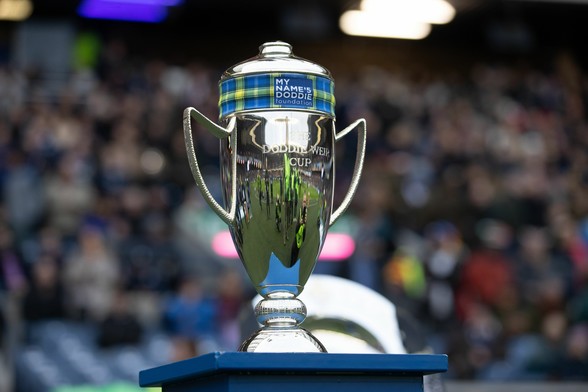
The Doddie Weir Cup: Scotland vs Wales

Presently, the Doddie Weir Cup is the only rivalry trophy available for Wales to play for. Named after George “Doddie” Weir, who had played for Scotland and the British Lions. He was 1.98 m tall, so naturally he was a lock and had a long rugby career. He retired from rugby in 2005, but in 2016, Weir was diagnosed with motor neuron disease (MND).

Because of this, Weir spearheaded fundraising for his foundation called “My Name’5 Doddie” and raised £8 million for research into MND, as well as funding treatments. He did this by campaigning for greater public awareness of the disease. Weir died in 2022 from the disease.

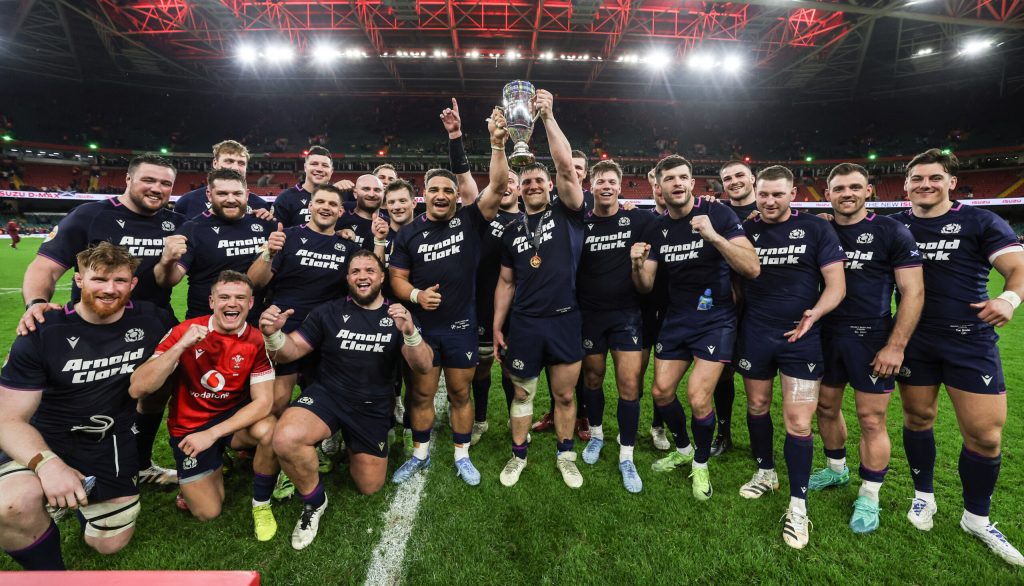
In 2018, the Scottish Rugby Union and the Welsh Rugby Union introduced the Doddie Weir Cup to support Weir’s foundation. Scotland and Wales compete for this trophy during the championship, and the winner of that encounter takes the trophy home. Scotland has won the Doddie Weir Cup for the last three years.

The Doddie Weir Cup. Credit: Guinness Six Nations.

The Cuttitta Cup: Scotland vs Italy

This is the third rivalry trophy that’s named after a person. Massimo Cuttitta was a former Italian rugby player who was involved in Italy’s inaugural entry in the newly minted Six Nations in 2000. He captained Italy 22 times, and after retiring, Cuttitta moved into coaching, taking on several jobs.

Eventually, Cuttitta went to Scotland and worked for Edinburgh Rugby as a scrum coach, but also for the Scottish national team from 2009 to 2015 as their scrum coach. Cuttitta died in 2021 from COVID-19.

In 2022, the Cuttitta Cup was introduced to honour Cuttitta’s contributions to rugby in Italy and Scotland. The winner of the annual game between Scotland and Italy during the Men’s Six Nations Championship is awarded the Cuttitta Cup. In 2025, Scotland won the trophy back from Italy, however on 7th February 2026, Italy defeated Scotland in Rome, 18-15, to win the Cuttitta Cup for the third time.

The Cuttitta Cup. Credit: World Rugby.

The Solidarity/Solidarité Trophy: Ireland vs France

As I mentioned previously, the Solidarity Trophy was only unveiled last week, so it’s freshly minted. All of the information for the women’s entry is the same for the men’s; both Women’s and Men’s Solidarity Trophies are identical, they are brand new, and the winner of each Irish and French game in each annual tournament, both female and male, will win the trophy.

The only difference is that the women’s game has not yet been played, but the men’s has. On Thursday, 5th February 2026, the opening night of the Men’s Six Nations Championship, which was a first for a Thursday night, Ireland played France at the Stade de France, with France defeating Ireland, 36-14, thus becoming the inaugural winners of the Men’s Solidarity Trophy.

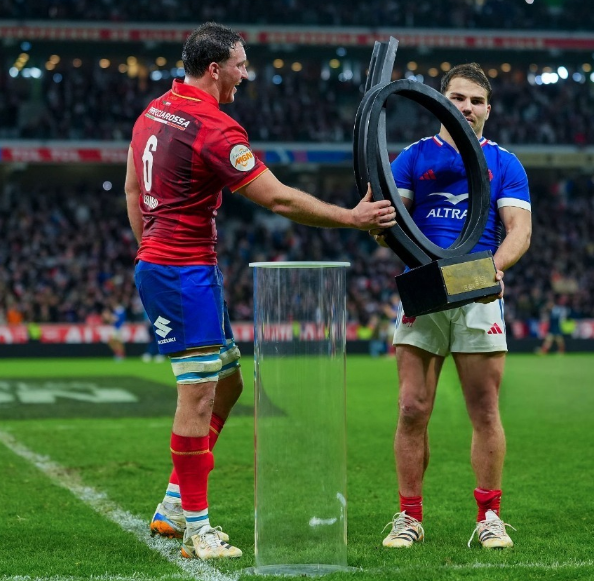
Victorious French captain, Antoine Dupont holds the Solidarity Trophy, after France defeated Ireland, 36-14, 5th February 2026. Credit: Guinness Six Nations

If the information is to be believed, in addition to the Solidarity Trophy having been introduced this year, two more trophies will be announced this year or next year. Apparently, there will be a trophy to be contested for Wales vs England, and Wales vs Ireland. That should give Welsh supporters something to smile about.

Another interesting point is that Scotland is the only team in the Men’s Six Nations Championship to have a rivalry trophy with every other team. This means that if Scotland ever won all five games in the championship, they would win seven trophies: The Championship Trophy, the Triple Crown, the Calcutta Cup, the Centenary Quaich, the Auld Alliance Trophy, the Doddie Weir Cup, and the Cuttitta Cup, along with the Grand Slam title. Perhaps 2026 will be their year; who knows? 1

Well, that’s it for another week. The first round of the Men’s Six Nations Championship has been and gone, with France beating Ireland (36-14), Italy defeating Scotland (18-15), and England victorious over Wales (48-7). I know it’s not for everybody, but the Six Nations Championship is fantastic, and like I said last week, if you ever get the chance to watch a game, do yourself a favour and watch one.

Thanks again for reading, following, and subscribing to Some Geek Told Me. Please don’t forget to walk your dog, read a banned book, watch some ICC Men’s T20 World Cup matches, and I’ll see you next week for some time travel. You know what that means; 1961, here we come!


1 Even though Scotland did just lose the Cuttitta Cup to Italy on Saturday.

The Six Nations Rugby Championship: The History

Before I conjure up some more literary magic, I would like to take a fraction of your time to acknowledge some deaths.

1.) Over 30,000 Iranian civilians and anti-government demonstrators have been killed by the Iranian Republic Security Forces since December 2025, in what can only be described as massacres.

2.) Legendary comic book artist, Sal Buscema, died on 23rd January 2026, aged 89. He worked for multiple companies across his long career, having created fantastic characters like Rebecca and Brian Banner, Lady Deathstrike, Grandmaster, The Invaders, Hyperion, Helmut Zemo, U-Foes, Time Variance Authority, Rom the Space Knight, and the Wrecking Crew, among many others.

3.) The recent storm that hit the North Island of New Zealand has resulted in the deaths of nine people, through flash flooding and two landslides.

4.) The beloved actress and comedian Catherine O’Hara passed away on January 30, 2026. Among her many famous roles, my personal favourite was Cookie Fleck in Best In Show. O’Hara had the knack of making any character, especially the unlikable ones, very likeable.

I don’t have any inspiring things to say, other than my family and I are very sorry to hear of their deaths, and to send our condolences and deepest sympathies to their loved ones.

In New Zealand, both national and regional governments have numerous questions that require answers from the media, the public, and grieving families.

My thanks and apologies for bringing this up.

Moving on, I wrote another non-award-winning blog post last week regarding rugby, American football’s older and hotter sibling. I mentioned that I was going to discuss the greatest rugby tournament outside of the World Cup: The Six Nations Championship. I aim to provide my followers with things they didn’t request, except for the three followers this is written for. They know who they are.

So, like Fozzie and Kermit, we need to keep movin’ right along into The Six Nations Rugby Championship: The History. For all my non-rugby supporters, I’m sorry/not sorry. Prepare thyself!


Credit: Guinness Six Nations/Love Belfast


Every year, a fantastic rugby tournament begins that runs from February to April. It’s called the Six Nations Championship, or the Guinness Six Nations Championship, and it comes in three different flavours, Men’s, Women’s and Under-20s.

The Six Nations, as the tournament is commonly known, involves, get ready for it, six nations that are England, Wales, Scotland, France, Italy, and Ireland1. It’s one of the world’s oldest international tournaments.

Once again, I need to interject myself into something that I am actually writing. Since I’m an All Blacks supporter, it may have crossed your wonderful mind as to why I’m writing about the Six Nations. That is another superb question from you, you’re getting so good at this! I’ll do my best to give an over-complicated answer; nothing but the best on Some Geek Told Me.

The All Blacks compete in an annual tournament with three other countries (The Rugby Championship), but before that, it was with only two other countries (The Tri-Nations), which first started in 1996. I love watching and supporting the Rugby Championship, but it pales in comparison to the Six Nations.


Credit: Guinness Six Nations

For me, the Six Nations is the greatest rugby tournament outside of a World Cup, and this is coming from a New Zealander! As a kid, I was enthralled by learning about the tournament, which was called the Five Nations. Obviously, watching delayed coverage, or at the very least, highlights of the games from the other side of the planet, gave me a taste of how other countries played and managed rugby.

It was always interesting to see rugby from a different perspective, which included the size of the stadiums, the singing, respecting the kicker, the age and tradition of the tournament, as well as the rivalries. I soon discovered my love of the All Blacks also transferred into being curious about what our opponents were doing.

As time marched on, my fascination with the tournament became more defined, because as an All Blacks and Black Ferns supporter, following the Six Nations was logical; if your rivals smashed each other up in an annual competition, wouldn’t it be prudent to gauge how they are performing and to see what they’re up to?

Even now, as a fully-grown man-child, watching the Six Nations makes me ask two questions: Who do I want to win? or Who do I want to lose? It also poses more questions if one particular team is performing well: Could the All Blacks beat them in their current form? but also, If the Black Ferns played them next week, who would win? I love the Six Nations.

I’ve finished my interjection, so we’ll return to the spot where we left off. Thanks.

The tournament has a long, rich and proud history, so I’ll do my best to explain it properly. When discussing the Men’s tournament, it first began in 1883, when it was known as the Home Nations Championship2; which included England, Wales, Scotland, and Ireland. A few years later, an argument about whether a try should have been awarded resulted in the nations establishing the International Rugby Football Board, now known as World Rugby.

From what I understand, England was not happy that Wales, Scotland, and Ireland had formed a new club, and they refused to join. This hilarious incident meant that England was excluded from the tournament from 1888 to 1889, which in turn meant the tournament did not take place. However, by 1890, everything was worked out, and the tournament had restarted.

The format for the Hone Nations continued until 1910, when France was allowed to join the tournament. As you can guess, with an extra nation in the mix, management decided to change the name of the competition to the Five Nations Championship, because, you know, five nations were playing.

The First and Second World Wars meant that fielding international-level rugby players was a little difficult, along with the country being at war, so from 1915-1919 and 1940-1946, the tournament was not played. It’s worth noting that in 1932, France was banned from the competition because of rumours and allegations of various misconduct3 and they were only allowed to rejoin in 1939, but the Second World War prevented them from physically returning until 1947. 

From 1947, the Five Nations Championship marched on until 1999, because Italy was now asking to join the tournament. They were accepted, so in 2000, the Five Nations Championship was renamed again, thus becoming the Six Nations Championship, with the addition of Italy. France is the defending champion.


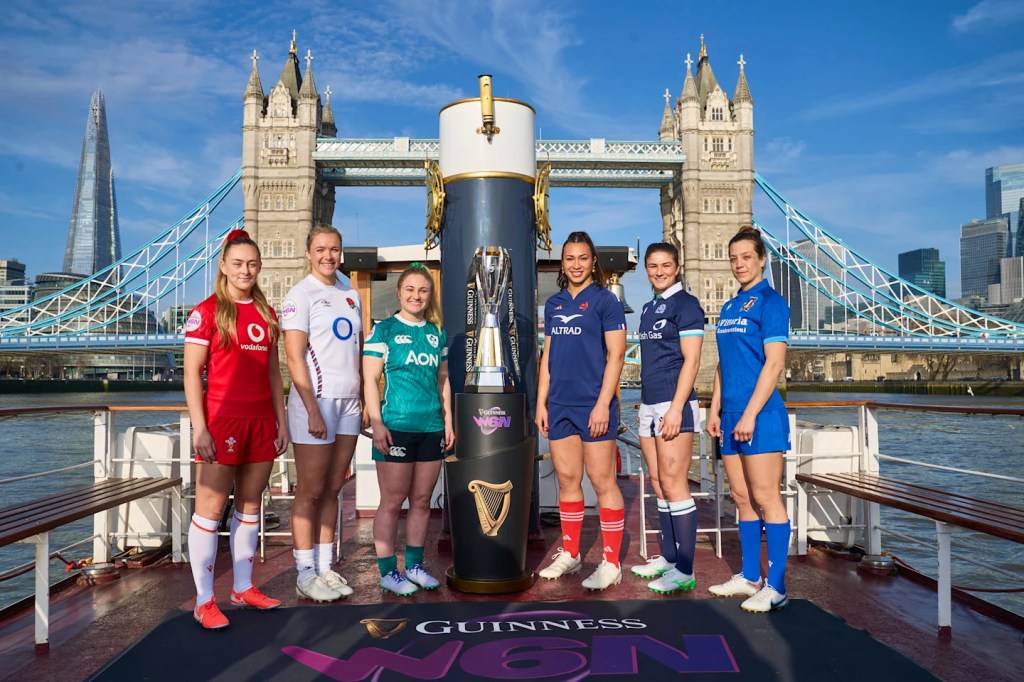
The 2025 Guinness Women’s Six Nations launch in London. Credit: Guinness Six Nations

The Women’s tournament followed the same trajectory as the Men’s, but the time period is smaller. The tournament started in 1996, which was named the Women’s Home Nations Championship, which included exactly the teams as you would imagine: England, Wales, Scotland, and Ireland.

In its format, the tournament lasted three years, until in 1999, you guessed it, France was added to the tournament, changing the name to the Women’s Five Nations Championship. And because history likes to repeat things, this version of the competition lasted only three years, before Italy was introduced into the tournament in 2002, turning the Women’s Five Nations Championship into the Women’s Six Nations Championship. Bet you all of Trump’s orange makeup that you didn’t see that one coming. England won the tournament in 2025.

It is also interesting to note, that Spain played in the Five Nations and Six Nations tournaments from 2000 to 2006.

As for the Under-20s tournament, they started in 2004, but it was called the Six Nations Under 21s Championship, and this lasted until 2008, when they changed the age restriction, which allowed another tournament to have yet another name change. So, the Six Nations Under 21s Championship became the Six Nations Under 20s Championship. Nothing to see here, move along, move along. However, like the Men’s competition, France is the current holder of the title.

In the tournament, each team plays five games, alternating between home and away matches. The following year, the home advantage is reversed for each matchup. For example, the Men’s game between England and Scotland in 2025 took place in England, but in 2026, the England vs. Scotland game will be held in Scotland.

Just because I can, I’m going to list the stadiums that are used in the competition4:

England: Twickenham, London, seats 82,000

Wales: Principality Stadium, Cardiff seats 73,930

Scotland: Murrayfield, Edinburgh, seats 67,140

Ireland: Aviva Stadium, Dublin, seats 51,700

France: Stade de France, Paris, seats 81,330

Italy: Stadio Olimpico, Rome, seats 72,690

The points system for the Six Nations is standard, but with a few quirks:

  • A win gives a team 4 points. (Yay!)
  • A draw gives a team 2 points. (Oh, stink!)
  • A loss gives a team 0 points. (Oh, the shame!)

There are also bonus points to be awarded, which come in handy if teams have the same win/loss records.

  • Scoring four or more tries in a match, gives a team 1 extra point. (Yay again!)
  • Losing by 7 points or fewer, gives a team 1 extra point. (Sweet!)
  • If a team wins all of their games, which is called the Grand Slam, they are automatically given 3 extra points.

At the end of the fifth round, the team with the highest total on the points table wins the championship.

Many trophies are competed for during the different tournaments, which, ironically, is exactly what we will be discussing next week with The Six Nations Rugby Championship: Part 2. Cool bananas!

In my humble opinion, the Six Nations Championship is arguably one of the greatest annual sporting events on the planet, and if you ever get the chance to watch a game, do yourself a favour and do it.

Well, that’s it for another week. Do you follow the Six Nations? What’s your favourite moment? Who will win in 2026? As always, please let me know.

Please don’t forget to walk your dog, read a banned book, remember where you put your keys, and I’ll see you next week for the second and final blog post about the Six Nations Rugby Championship. The excitement is building!


1 When discussing Ireland, I am not referring to the Republic of Ireland, but the actual island of Ireland, which consists of Northern Ireland and the Republic of Ireland. At the international level, rugby is one of the few sports that represents all of Ireland, unlike football, which has Republic of Ireland and Northern Ireland teams. This is reinforced with the cross-border flag for the Irish Rugby Football Union, which incorporates both countries, the Republic of Ireland (controlled by the Republic of Ireland) and Northern Ireland (controlled by the United Kingdom).

2 When discussing the Home Nations in rugby, it is in reference to England, Wales, Scotland, and Ireland, collectively known as the Home Nations.

3 France was accused of many things, but the main offence was fielding professional players, when at the time, rugby was an amateur sport. Rugby finally went professional in 1995.

4 France also has a second stadium that they sometimes use for the tournament. It’s the Stade Pierre-Mauroy, Villeneuve-d’Ascq, in Northern France. Its capacity is 50,180.

One of the most important jobs in New Zealand is up for grabs

Before I launch into another fascinating lecture, I do need to point out that I realise that only about three people will be interested in the aforementioned lecture today. I get it, seriously, I do. Not everybody is perfect, but we can still try.

To the three people who fit into the intersection of a Venn diagram featuring following rugby and following Some Geek Told Me, you are going to love today’s blog, as well as the next two.

To everybody else, from the bottom of my geek-laden heart, I’m very sorry about today’s blog and the next two weeks. Please forgive me.

Warning: this is not a hit piece. It may seem like it, but it’s not.


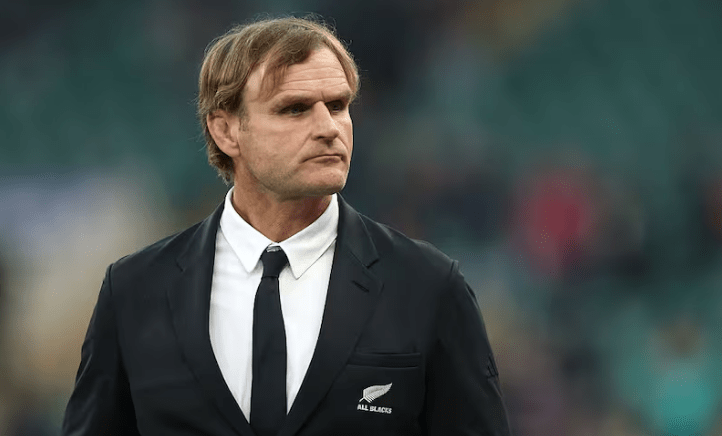
Scott Robertson before the All Blacks v England Test at Twickenham in 2025  (Source: Getty)

For the three people who have stuck around, thanks. As you know, I enjoy sports, especially rugby, or to be precise, rugby union. I have talked about rugby several times on this delightful platform to express my love for the game, but also to explain the rules, because they can be complicated, even to a veteran supporter like myself.

To continue listing things you already know, like a preschooler detailing the events of a movie to you, forgetting that you just watched it with them, I’m a New Zealander, so I support the Wallabies.

Nah, I did that to see if you were paying attention. No, I’m an All Blacks supporter, which also means I support the Black Ferns. Just in case someone new has accidentally wandered in and started reading this blog and has no idea what those terms mean, the All Blacks are the name of New Zealand’s Men’s National rugby team, while the Black Ferns are the women’s. Savvy?

In Aotearoa New Zealand, we often say that the three most important jobs in the country are the All Blacks’ coach, the All Blacks’ captain, and the Prime Minister, in that order. We take rugby very seriously; it’s part of our national identity. It’s madness. As I’ve mentioned earlier, I have discussed my love for rugby, All Blacks, and the Black Ferns before, but I have not discussed this scandal/conundrum that has rocked the country. Sorry, I’m building up the tension, and don’t need to, but it’s fun.

On 15th January 2026, the All Blacks’ head coach, Scott Robertson, was fired from the position by New Zealand Rugby (NZR). That in itself is nothing new; professional coaches get sacked all the time. Football coaches in England get sacked every other Tuesday. What’s remarkable about this firing is that Robertson is the first All Blacks coach to ever be fired.

Let’s back up and lay the scene. Robertson had a very successful reign as coach of the Canterbury Crusaders, having won five Super Rugby titles and two Super Rugby Aotearoa titles in seven years. Robertson was named All Blacks coach in March 2023, in an unprecedented move, because of two reasons: 1.) The All Blacks coach, Ian Foster, was still in the job, but he was leaving at the end of the year. 2.) 2023 was a World Cup year, one of the most stressful times in the four-year cycle of world rugby.

So suddenly, the All Blacks had one head coach on the field, and one on paper; one in the present and one in the future. Anyway, the All Blacks made it to the World Cup Final, but were defeated 12-11 by their ancient nemesis, South Africa, aka the Springboks. Foster left the position after the World Cup, as planned, and Robertson took over. For a large section of New Zealand’s rugby community, Robertson was hailed as a potential saviour. The All Blacks had not won the World Cup since 2015, so Robertson had four years to transform the team and bring glory to the country.


Ardie Savea, Codie Taylor and Beauden Barrett perform the haka ahead of the International Test Match between New Zealand All Blacks and England at Eden Park on July 13, 2024 in Auckland, New Zealand. (Photo by Hannah Peters/Getty Images)

Now I am going to be honest about something. Over the last 10 years, the All Blacks have had a few setbacks. Some were small, some worrying, and some were humiliating and embarrassing. I won’t go into details; you can look them up yourself, but these issues have been difficult for me to view, believe, and accept.

Having said that, the All Blacks and Black Ferns, like us supporters, don’t focus on the number of wins; we focus on the number of losses. It’s not about how many games we win, it’s about how many games we lose. It’s a small but subtle difference and an insight into how we New Zealanders view the game.

Over the last two years, Robertson was in charge of the All Blacks, but he was sacked two years into a four-year contract. What happened?

It’s complex, but I’ll do my best to be balanced. At the end of 2025, NZR held an end-of-season review. We are two years out for the next World Cup, so we need to know that the team is on the right track. However, after talking to many people, like players, Robertson, and others, it was agreed and decided upon that it would be in the best interests of the team if he left.

Of course, this has led to many theories about the dismissal, but it has also caused the public to confront two questions: Why did Robertson have to leave? And was it the correct choice?

Obviously, I haven’t read every piece of information written about the review, nor the real findings; I’m not even sure if that’s public. In that regard, I’m going to attack these questions, but I’ll base the answers on facts, and not opinions.

The key reasons for Robertson to stay:

  • He guided the All Blacks to 20 wins from 27 tests over two years (10 in 2024 and 10 in 2025).
  • He had a winning rate of 74% with the All Blacks.
  • He is a very successful and creative coach.
  • The All Blacks won a home series over England 2-0 in 2024.
  • The All Blacks took second place in the 2024 Rugby Championship.
  • The All Blacks retained the Bledisloe Cup in 2024.
  • The All Blacks defeated England (for the third time in a year), Ireland and Italy on tour.
  • The All Blacks retained the Hilary Shield in 2024.
  • The All Blacks finished third on the IRB world ranking in 2024.
  • The All Blacks won a home series over France 3-0 in 2025.
  • The All Blacks won the Dave Gallaher Trophy for the first time since 2018.
  • The All Blacks defeated South Africa (the world champions and number one-ranked team) at Eden Park in 2025, as the All Blacks haven’t lost there since 1994.
  • The All Blacks retained the Bledisloe Cup in 2025.
  • The All Blacks took second place in the 2025 Rugby Championship.
  • The All Blacks defeated Ireland, Scotland, and Wales on tour.
  • The All Blacks have beaten Ireland (ranked 1st/2nd in the world) three times in a row (twice under Robertson).
  • The All Blacks became the IRB World Ranked Leader in 2025, for the first time since 2021.
  • The All Blacks finished second on the IRB world ranking in 2025.
  • He was only two years into a four-year contract.
  • The World Cup begins in October 2027.

The key reasons for Robertson to leave:

  • The All Blacks lost seven tests over two years: 3 x South Africa, 2 x Argentina, 1 x France, and 1 x England.
  • Argentina defeated the All Blacks for the third time in 2024 and got their largest score against them.
  • Argentina defeated the All Blacks for the fourth time in 2025 and the first time on home soil ever.
  • France achieved a three-match winning streak over the All Blacks, for the first time since 1995 (one under Robertson).
  • South Africa achieved a four-match winning streak over the All Blacks, for the first time since 1949 (twice under Robertson).
  • The All Blacks’ tour of South Africa in 2024 was the worst South African tour since 2009.
  • The All Blacks suffered their worst defeat in the team’s history, losing to South Africa, 43-10 in 2025.
  • In 2024, the All Blacks lost the Freedom Cup for the first time since 2009.
  • France retained the Dave Gallaher Trophy over the All Blacks for the first time ever in 2024.
  • South Africa retained the Freedom Cup over the All Blacks for the first time ever in 2025.
  • The last time the All Blacks won the Rugby Championship was in 2023, having previously won the title four years in a row.
  • The last time the All Blacks finished 2nd in the Rugby Championship was in 2015.
  • England defeated the All Blacks for the first time since 2019, and their first win at Twickenham against the All Blacks since 2012.
  • The All Blacks lost the Hillary Shield to England for the first time since 2012.
  • Two All Blacks assistant coaches left under Robertson’s leadership: Leon MacDonald in 2024 and Jason Holland in 2025.
  • The last time the All Blacks lost four tests in a year was in 2022, when previously it was in 1998.
  • Not benching older players and playing younger players.
  • Failing to win the Grand Slam for the first time since 2010.
  • For not giving the captaincy to Ardie Savea.
  • The All Blacks were ranked 1st in the world for only four weeks.
  • The media had reported that players were dissatisfied with Robertson.

Ultimately, no matter what the sport, coaches can only select, train, and prepare their players, they can not go onto the field, and play the game for them. Far too often, when a team is not performing well, the blame is usually placed on the head coach, bypassing player responsibility.


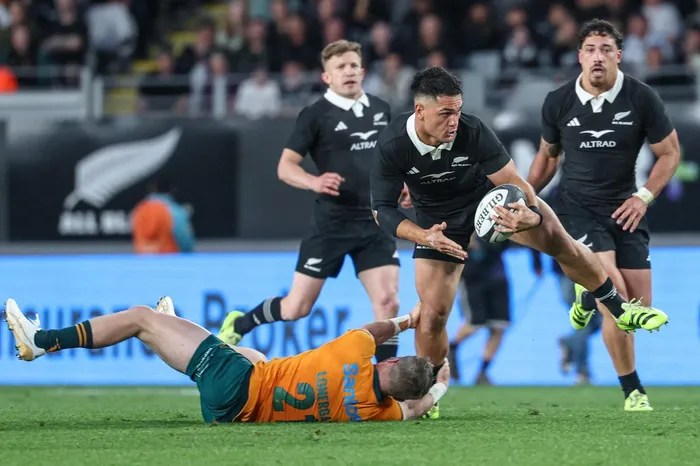
New Zealand’s Quinn Tupaea (R) is tackled by Australia’s Ryan Lonergan (L) during the Rugby Championship match between New Zealand and Australia at Eden Park in Auckland on September 27, 2025. Picture: Shane Wenzlick/AFP

Now, everything I have listed on both lists is accurate and true, but was firing Robertson the right choice? I honestly have no idea, I don’t know. I know the reasons to keep him, just as much as I know the reasons to let him go.

Regardless of how I feel, which is just confusion more than anything else, I am stunned. No matter how you feel about Robertson, this was an unexpected and unprecedented move from NZR to fire him. His firing can be viewed as both a positive and a negative thing.

The positive points are:

  • The aura around the All Blacks has slipped, and teams are no longer afraid of them.
  • Robertson was supposed to save the All Blacks, not make things worse.
  • It was great that NZR had discovered and admitted the problems, and had tried to solve them, well before the 2027 World Cup.
  • You can’t expect to stay as head coach after suffering the team’s heaviest defeat in its history.
  • Finding another coach as soon as possible will give them and their coaching staff the time to prepare the players for the next two years, with the World Cup in 2027.
  • Yes, indeed, the focus should not always be about the World Cup, but the reality is that the All Blacks have not won it since 2015.
  • The public’s expectations and standards are high, and NZR needs to meet them.
  • With South Africa, Ireland, France, Argentina, and England now consistently defeating the All Blacks, the NZR must take strong action. It is essential to support the new generation of New Zealand coaches to restore the All Blacks and the Black Ferns to their dominant position in world rugby.
  • Player satisfaction is important, and they need to be listened to.

The negative points are:

  • Apparently, a 74% winning rate is not good enough for the All Blacks anymore.
  • In 1998, when the All Blacks lost five matches straight (the team’s worst losing streak), head coach John Hart was not fired, nor did he resign.
  • Some All Blacks coaches who had a lower winning rate than Robertson after two years, were not fired.
  • No All Blacks coach had ever been sacked before.
  • Robertson deserved to stay until after the World Cup, just like all the other coaches, post-1987.
  • In some international circles, people are saying that New Zealand is in disarray, and Robertson’s firing shows the world that New Zealand Rugby is out of ideas, lacks creativity, and does not back their coaches.
  • The next coach will be under a gargantuan amount of pressure from the press and the public to perform.
  • Will the public ever get to read the 2025 All Blacks end-of-season review?

Being a coach of any sport is difficult, but being the coach of a national team, playing their national sport, takes it to the next level. I love the All Blacks and the Black Ferns, I do. However, two things need to be said:

1.) Over the last 10 years, both teams have had amazing wins and some terrible losses. It could just be me, but things are not totally clicking for the teams, for whatever reason. Playing professional sport is a gift that these players can only do for a small window of time, and they are humans, just like us.

Maybe it’s an illusion, whether the state of rugby in New Zealand is in decline, but it is something we need to discuss and find answers for. I don’t know, I’m not smart enough to answer that question. The Black Ferns have a new coach with Whitney Hansen, and the All Blacks will have one soon, so there is always hope.

2.) Regardless of how New Zealand is playing and operating the game at the men’s and women’s international level, the rest of the world has caught up to and, with some teams, has even surpassed us. In the men’s game, South Africa, France, Ireland, Argentina, and England are deadly, and all of them will be a threat at the World Cup.

As for the women’s game, England, Canada, and France are leading the way, being able to regularly beat us. You have to give these teams credit because they have worked their arses off to be where they are. Well done, seriously, as a New Zealand rugby supporter, that is high praise.


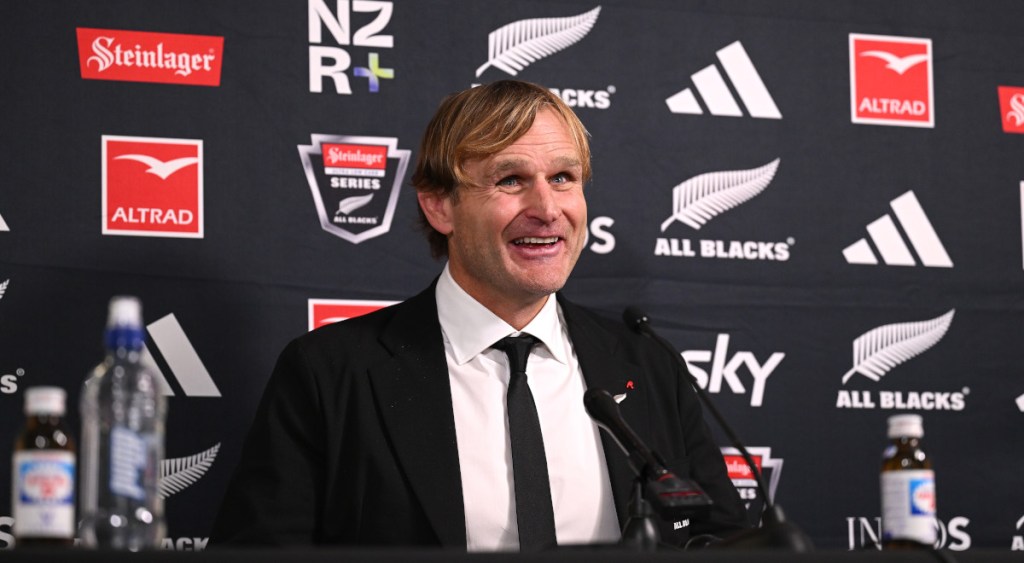
DUNEDIN, NEW ZEALAND – JULY 06: All Black Head Coach Scott Robertson talks to the press following the International Test Match between New Zealand All Blacks and England at Forsyth Barr Stadium on July 06, 2024 in Dunedin, New Zealand. (Photo by Joe Allison – RFU/The RFU Collection via Getty Images)

At the time of writing, the new All Blacks coach has not been named, but whoever it is, they are going to need support. They did not get Robertson fired, so I hope people remember that.

New Zealand rugby supporters have a long tradition of being arrogant with an inflated sense of superiority. I found it hard not to fall into that trap, having lived in the United Kingdom, while the All Blacks were losing to England. It can sometimes be very humbling as a supporter of New Zealand rugby, but that’s life.

I feel sad for Robertson and the rugby community, because it’s not a great look for a national coach to be fired. As I said before, I have no idea whether letting Robertson go was the right choice or not; I can only hope that both the All Blacks and Black Ferns can pick themselves up and go again. I don’t have blind faith in them, but I do have faith, and that’s enough.

I can only hope that the resetting of coaches for both teams will be beneficial to us, but also to themselves. I want them to be in the news for the right reasons, but it’s not up to me. If they win, I love them. If they lose, I still love them.

It’s good that rugby is strong and competitive at the international level in both the men’s and women’s games. It really is, because to be the best in the world, you need to beat the best in the world, because…you know…I bleed back.

I hope this lecture has made sense. Do you have any thoughts about Scott Robertson being sacked? As always, please let me know.

Please don’t forget to walk your dog, read a banned book, don’t let your friends threaten to take over another country, and I’ll see you next week, where we are going to discuss the greatest rugby tournament outside of the World Cup: The Six Nations Championship! I know you can’t wait.


2025 Rugby World Cup: Peculiar and Puzzling Positions Reborn

As you good people know, I tend to write some nonsense from time to time. I also like to stretch my writing skills and avoid cramps by talking about topics that interest me. Within that collection of topics is rugby.

Now, I can imagine you could be thinking, “Ok Scott, what’s that got to do with today’s lecture?” That’s an outstanding question, by the way, you should be proud of yourself.

To answer your question, the 2025 Women’s Rugby World Cup is on. Granted, we have just had the quarter-finals over the weekend, with New Zealand to face Canada in the first semi-final, and England going up against France in the second.

To celebrate this event, I thought I would dust off a previous blog post and represent it. Why, you ask? It’s all about the positions in rugby, because they have awesome names, regardless of whether it’s the female or male game. The positions can be confusing, but I hope this guide helps you. If it doesn’t, I sincerely apologise.

Yes, I am a New Zealander, so I am biased, but rugby is one of the greatest sports on the planet, and the 2025 Women’s Rugby World Cup, which is currently being held in England, is the world’s showcase for the women’s game.

There are only four games left, so if you’re planning on watching some games, you had better hop to it! If you have seen a few of the games, then I hope you have enjoyed them and understood what was going on. So, sit back and relax while I discuss the various rugby positions.


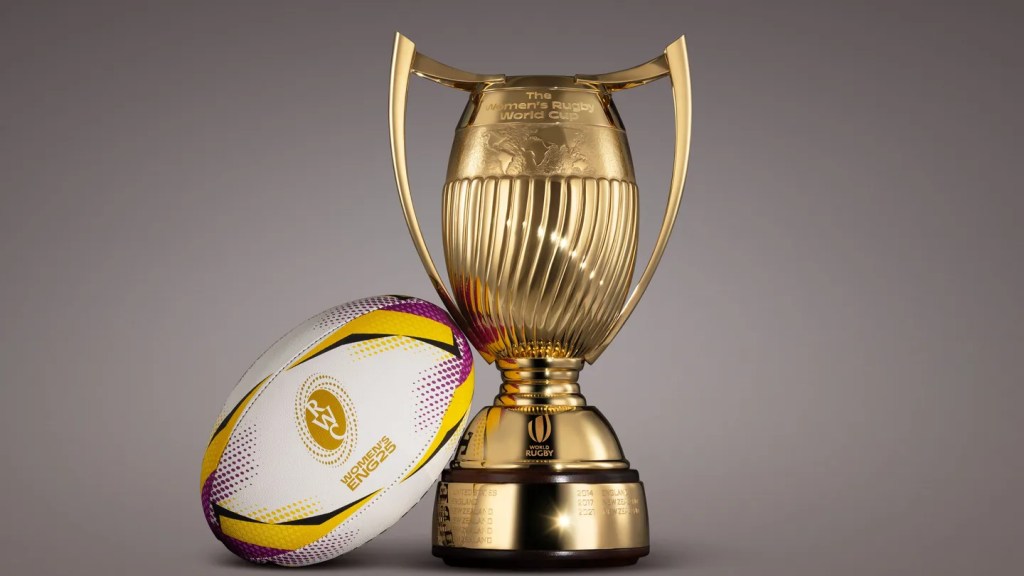
New Women’s Rugby World Cup trophy introduced to mark an era-defining tournament that will feature representatives from all regional associations for the first time. Credit: World Rugby

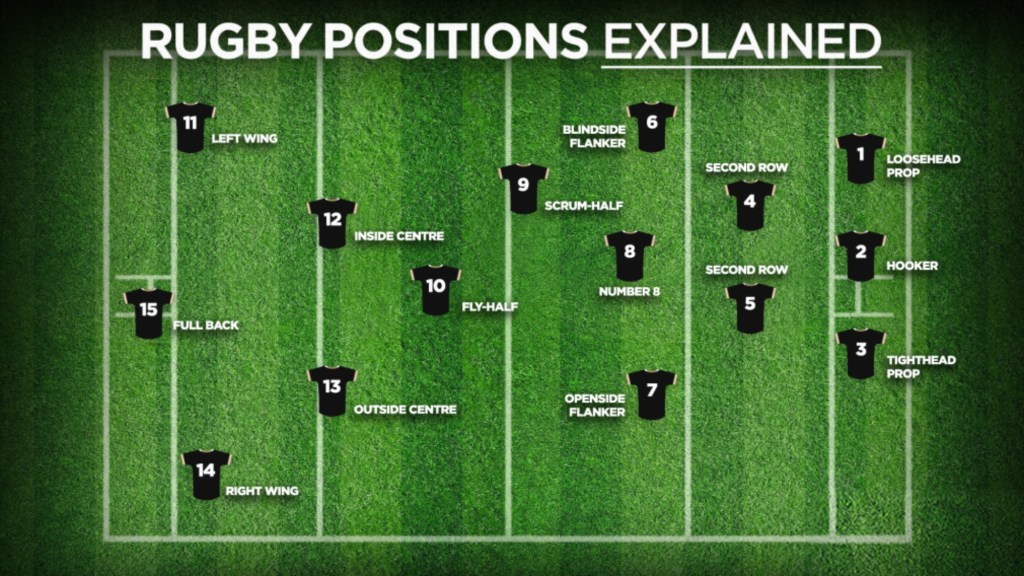
Just like any team sport that requires players to wear numbers, their number denotes their position. And rugby has some pretty messed-up positions. There are 15 (1-15) players in a team, with another 8 (16-23) as reserves, so 23 in total.

So what I’m going to do today is try to explain what these positions mean and what the player’s job is during the game. Because I’m a New Zealander, I’ll use Kiwi terminology, but I’ll add other names for positions that other countries use as well. Also, the person who gets the honour of wearing the number 8 jersey has the greatest positional name in rugby, and maybe in all of sport.

The Positional Numbers

1.) Loose-head prop

2.) Hooker

3.) Tight-head prop

4.) Lock (Second row)

5.) Lock (Second row)

6.) Blind-side flanker

7.) Open-side flanker

8.) No. 8

9.) Half-back (Scrum half)

10.) First Five (Fly half, First 5/8)

11.) Left wing

12.) Second Five (Inside Centre, Second 5/8)

13.) Centre (Outside Centre)

14.) Right wing

15.) Full back

Credit: Six Nations Rugby

Job done then, right? Great Caesar’s Ghost, the answer is no!

The team can be divided into two groups: forwards (1-8) and backs (9-15). There is no better way to illustrate the differences between the two groups than when there is a scrum or a line-out. All of the forwards are packed together into a scrum or standing in a line behind each other for a lineout. The backs, on the other hand, will be standing side by side, stretched out across the field when either a scrum or a line out is taking place.

Rugby is a sport where all body types can be used and celebrated. This is because each position needs a specialised player with a particular body type and skills. Traditionally, forwards are larger but slower players, while backs are usually leaner, but faster.

Alright then, what’s special about the positions?

Explaining the Positions:

Front Row (Props and Hooker/Numbers 1-3)

Body type in the community:

This is easy. The best way to describe what body types props and hookers would have would be a female bouncer or weightlifter. You know the type, their arms and legs are the same size; they’re born without a neck; they can bench press a small car; and they won’t take any shit from anybody.

What‘s a prop’s job in a rugby game?

Formal answer:

Their job is to “prop” up the scrum, support the hooker, and add lift to the lineout jumpers.

Informal answer:

Their job is to be a human bulldozer and to take as many defenders down as they can. They are also experts in the dark arts of the front row.

What‘s a hooker’s job in a rugby game?

Formal answer:

Their job is to “hook” the ball with their legs during a scrum and to throw the ball in at the lineout.

Informal answer:

Their job is to be an extremely niggly player who acts like they’re a saint, but they’re actually the devil in disguise. If the referee pulls them up for a penalty, the hooker will deny it, even with 20 m wide screens, showing them committing the crime.

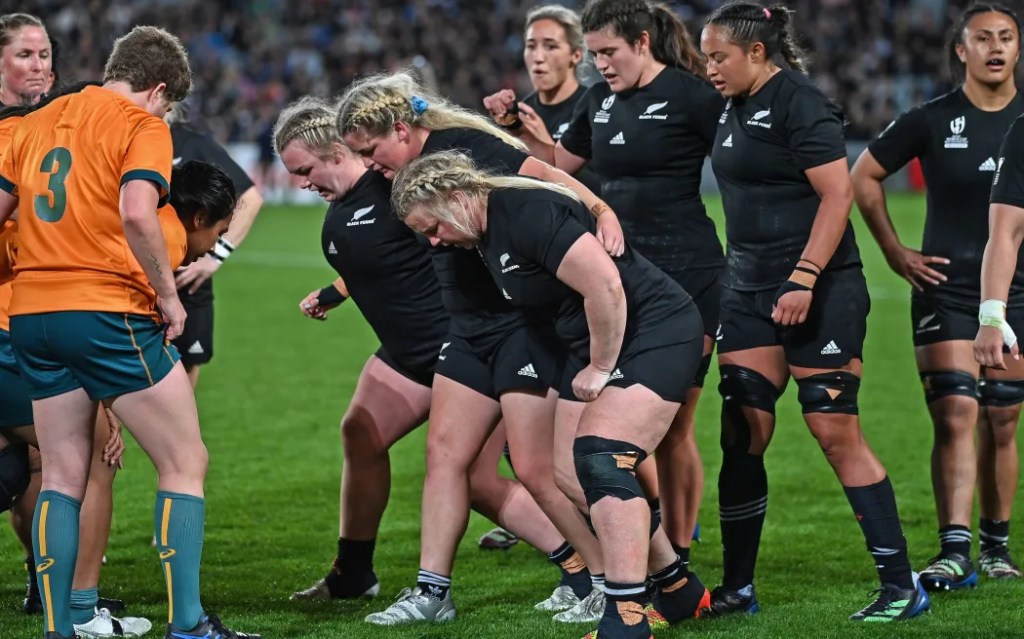
New Zealand and Australia’s front row (prop/hooker/prop) about to set a scrum. Photo: PHOTOSPORT

Second Row (Locks/Numbers 4-5)

Body type in the community:

Locks would have the body type of basketball players: tall and muscular. However, the difference here would be that instead of bouncing a ball on a court, these players have declared that they would rather suffer cauliflower ears, head trauma, broken bones, or torn ligaments than play basketball.

What‘s a lock’s job in a rugby game?

Formal answer:

A lock’s job is to form the second row in the scrum, receive the ball from the kick-off, and be a primary jumper at the lineout.

Informal answer:

Their job is to have the best shoplifting hands on the field, to be lectured by referees half their size, and to be at the bottom of every ruck and maul.

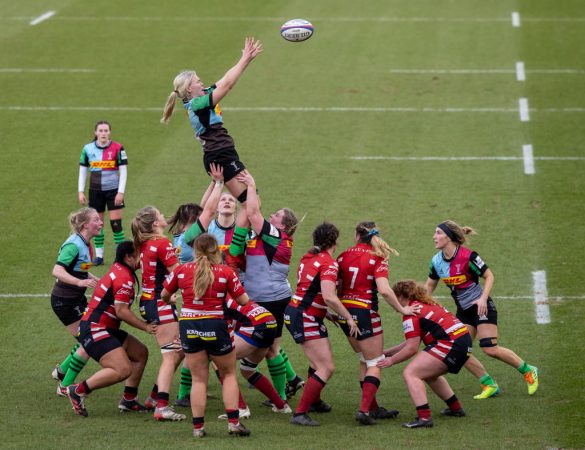
Harlequins’ lock, Rosie Galligan wins a lineout against Gloucester-Hartpury (Getty Images)

Loose Forwards (Flankers and No. 8/Numbers 6-8)

Body type in the community:

Do you remember how members of the front row would be described as bouncers? Well, if they’re the bouncers, then the loose forwards would be the crazy, tough players starting fights in the bar/club or in the line outside.

What‘s a loose forward’s job in a rugby game?

Formal answer:

A loose forward has several jobs, like being a secondary jumper at the lineout, supporting the ball carrier around the ruck, giving protection at the breakdown, and searching for the ball.

Informal answer:

There have been many epic quests throughout pop culture, like Frodo and Sam’s mission to destroy the One Ring at Mt. Doom, Thanos collecting the Infinity Stones, Ahab’s obsession with Moby Dick, Darkseid searching for the Anti-Life Equation, Ang to master the bending of all four elements, or Barbie’s quest into the real world.

But they all pale in comparison to a loose forward’s mission to hunt and find the rugby ball. They are lunatics, running around searching for the ball during tackles and breakdowns. They are either off their medication or need to be on some, because they are single-minded in their conviction to find and secure the ball for their team.

Spain vs Netherlands, while they set a scrum. The flankers are on the sides on the scrum, while No.8 is at the back.

Half-back (Number 9)

Body type in the community:

Picture any group of people working in sales with various body sizes. The half-back would be the smallest of them; toned, quick, and very talkative.

What‘s a half-back’s job in a rugby game?

Formal answer:

Like a hooker, the half-back is a singular, specialised player. Their job is to be the link between the forwards and the backs; to feed the ball into the scrum; to receive the ball from the lineout; and to gather the ball at breakdowns, to either pass, run, or kick it.

Informal answer:

The half-back’s job is to yell at everybody and to tell them where they need to be. Half-backs are also well-versed in rugby laws since they are always telling the referee what to do. They love pointing out the illegal things the opposition is doing to the referee, as well as convincing the referee that the illegal things their own team are doing are perfectly legal.

Jenny Maxwell at half-back for Scotland. Credit: The Offside Line

Inside Backs (First Five, Second Five, and Centre/Numbers 10, 12, 13)

Body type in the community:

These players are usually decisive, fast, and agile. You’ll see them at the gym working out and looking fabulous. They are the ones, typically, posing for photo shoots.

What‘s a First Five’s job in a rugby game?

Formal answer:

When the First Five receives the ball, they will either run, pass, or kick it. If they kick the ball, they need to decide if they are kicking for territory, forcing the other team to kick the ball out, forcing the other team to make a mistake, or setting up a scoring situation. They are usually the player who kicks the goals.

Informal answer:

Their job is to crush the opposition by doing three things: kicking penalty goals and conversions from anywhere on the field, landing drop goals, and forcing the opposition back 50-80 m through territory kicks. If a First Five is constantly doing this in a game, she is soul-destroying for the other team.

What‘s a Second Five and Centre’s job in a rugby game?

Formal answer:

Their job is to support the First Five, create line breaks, kick for territory, supply cover defence, and to follow set pieces.

Informal answer:

When done correctly, the deadly partnership of the Second Five and Centre can bust open teams, but also crazy enough to act like loose forwards at the breakdown. Their job is to make the game a living hell for the opposition’s back line. They’re very clever, fast, and dangerous, but still look like a model as they do it.

Dannah O’Brien (No.10) kicking one of her seven successful conversions against Italy. Photo: Sportsfile

Outside Backs (Wingers and Full back/Numbers 11, 14, 15)

Body type in the community:

These players will look like inside backs, except for one difference: their speed. These players are generally the fastest on the field, so look for people who like working out, but also sprinting. Outside backs are also great dancers because of the work they do to evade being tackled.

Formal answer:

These players need to be able to catch the high ball, but also chase it. They need to be strong enough to fend off tacklers, but also to tackle around the waist and legs. Outside backs are try-scoring machines because of their speed.

Informal answer:

These players love to humiliate teams by evading tackles, applying the side step, outrunning or chasing someone down, producing try-saving tackles, but mainly by scoring a huge amount of tries.

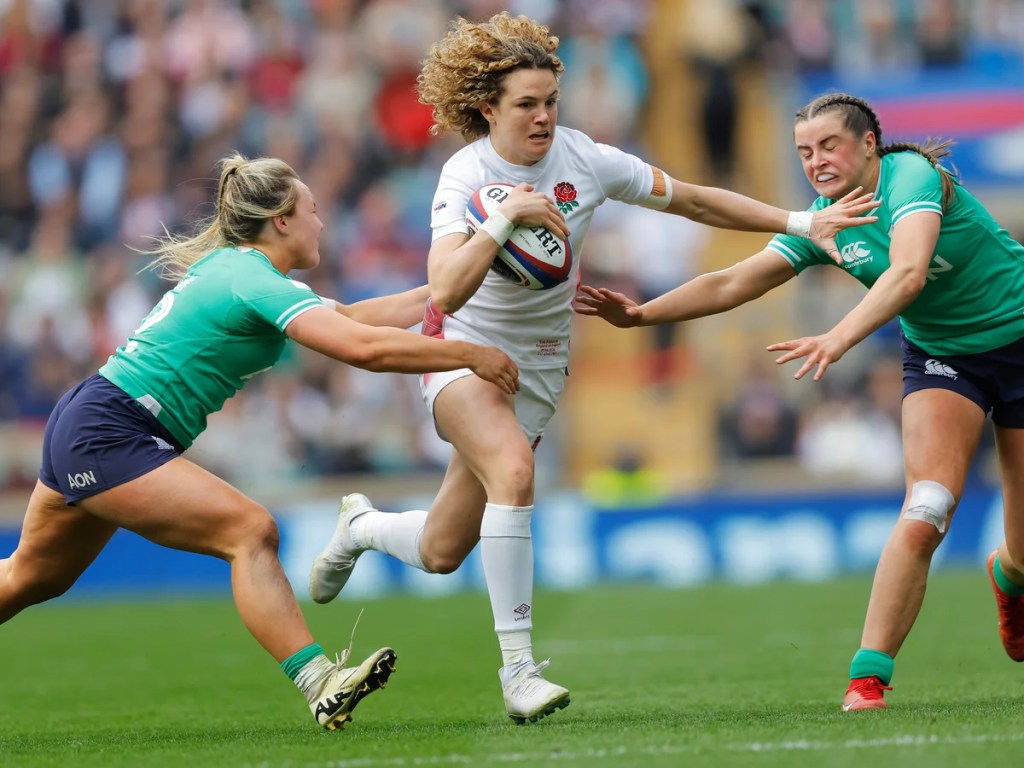
England’s Ellie Kildunne (fullback) in the centre of the photo, was named World Rugby women’s player for the year.
Photograph: Tom Jenkins/The Observer

What’s your favourite or least favourite rugby position? Have you seen any World Cup games? As always, please let me know.

Hopefully, this guide about the positions was easy to understand. Before I go, I need to point out how tough, strong, and skilled all of these women need to be to play rugby. It can be a brutal sport to watch and experience, but it is glorious.

Thanks once again for reading, following, and subscribing to Some Geek Told Me. I’m also on Twitter and Mastodon, where I’m still posting about daily random stuff.

Please don’t forget to walk your dog, read a banned book, watch some of the last few Rugby World Cup games, and I’ll see you next week for a personal blog post. I hope it’s not sad.