
The dust has settled, bets have been collected, and tears have been wiped away. Last weekend, the 2026 Men’s Six Nations Championship finished its fifth and final round, with all of the trophies having been won and given out.
If you’re new to this amazing account or rugby, then don’t despair – my two blog posts explaining the Six Nations Rugby Championship will clear things up. You can read at your leisure here and here. Sorted governor!
Now that the tournament is over, and despite the wise advice from Payroll, I decided to add an update. Namely, what happened in the tournament and which team won which trophy. With 10 of them, it can be a touch confusing, but here at Some Geek Told Me, we love a challenge. Well, a small challenge at least.
I know you’re as excited as I am to discuss these facts, so let’s talk about the 2026 Six Nations Rugby Championship, because nothing else in the world is happening right now. Absolutely nothing.
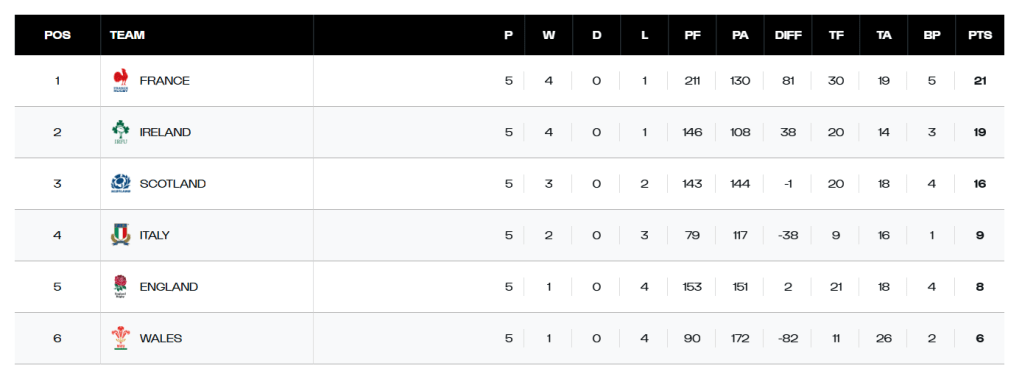
To begin this astonishing assessment, let’s discuss any important and interesting facts that have been revealed from this year’s tournament.
- Thomas Ramos was the highest point scorer with 74.
- Louis Bielle-Biarrey broke the record for most tries in a single Championship with nine tries.
- In their last two games, France scored 88 points, but conceded 96 points.
- In the final round, Wales won their first Six Nations match in 16 matches by defeating Italy. Their last win was against Italy in 2023.
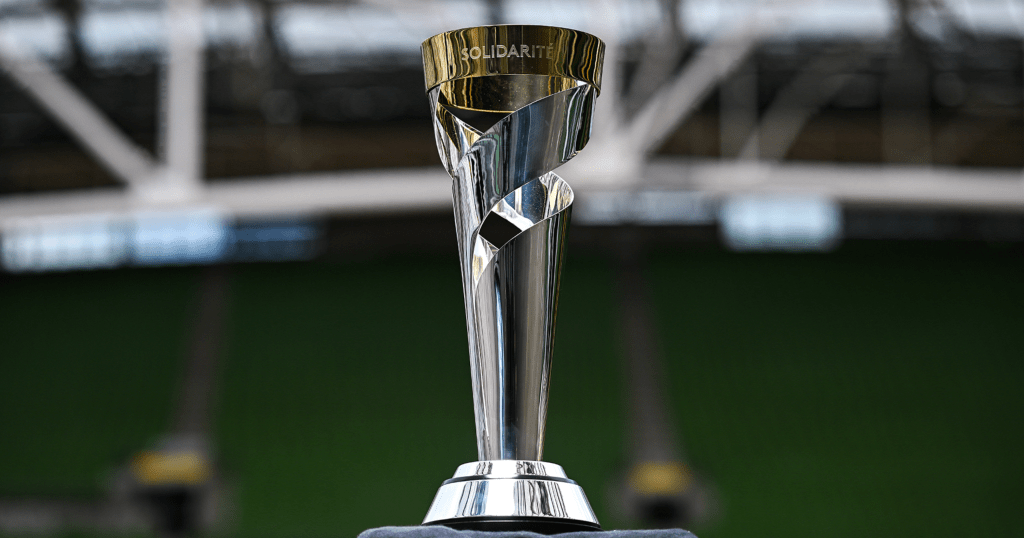
- The Solidarity Trophy, a new trophy, was introduced to be contested between France and Ireland.
- Italy’s opening win over Scotland was their first opening win of a Six Nations campaign since 2013, when they defeated France, 23-18.
- Hollie Davidson became the first woman to referee a men’s Six Nations game.
- After 35 years and 32 consecutive defeats, Italy recorded their first-ever win over England, 23-18.
- England scored the most points (46) in a loss in a Six Nations match.
So now that’s out of the way, let’s get into the nuts and bolts of the post: Who won what trophies?
I’ll reveal the winners in reverse order, as I introduced them in the second blog post. Clear as mud?
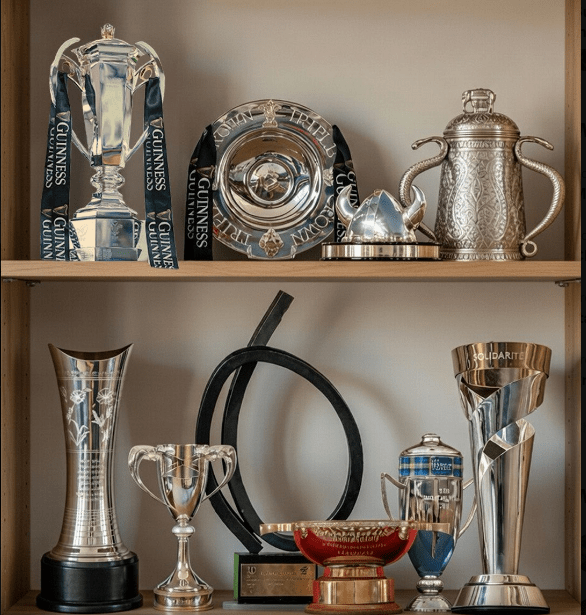
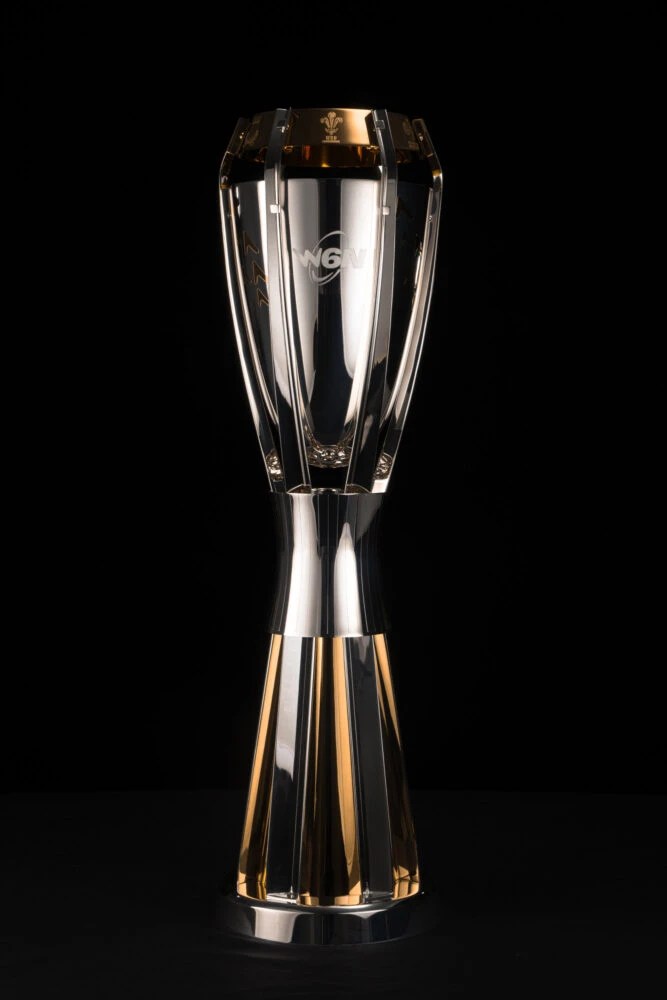
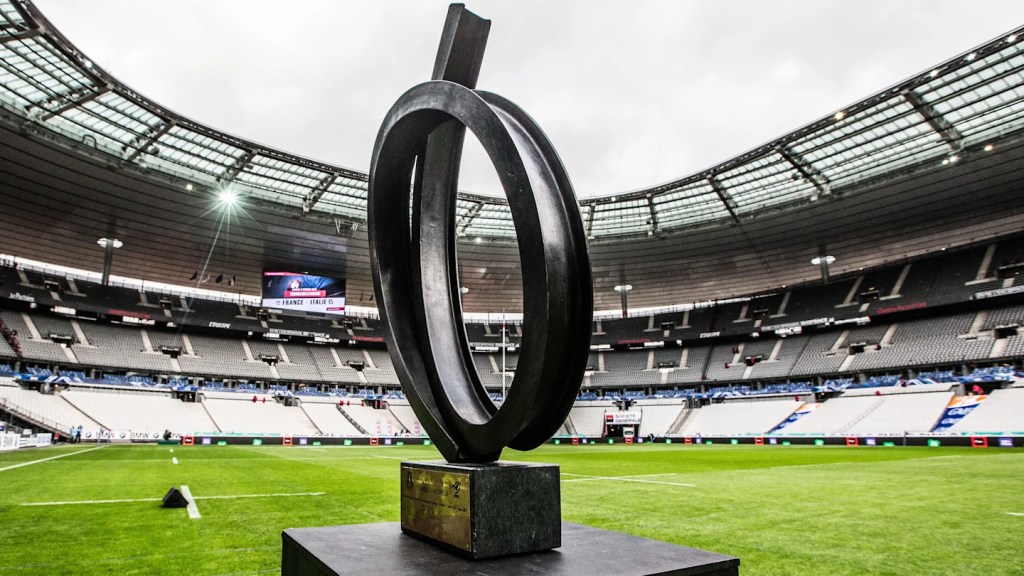
The Solidarity/Solidarité Trophy: Ireland vs France
If you remember, this trophy was brand new for the tournament, newly minted for 2026. The Solidary Trophy is played between Ireland and France, and on 5th February, France defeated Ireland, 36-14 at the Stade de France. This meant France became the inaugural winners of the Men’s Solidarity Trophy.

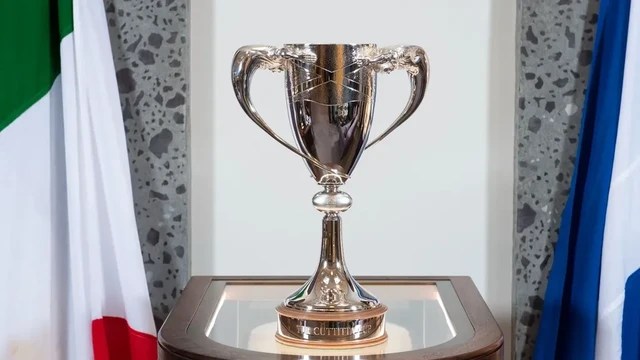
The Cuttitta Cup: Scotland vs Italy
To recap, the Cuttitta Cup is only competed between Scotland and Italy. It was introduced in 2022, and on 7th February, Italy reclaimed the Cuttitta Cup by defeating Scotland at the Stadio Olimpico, 18-15. This was only the second time that Italy had won the trophy.

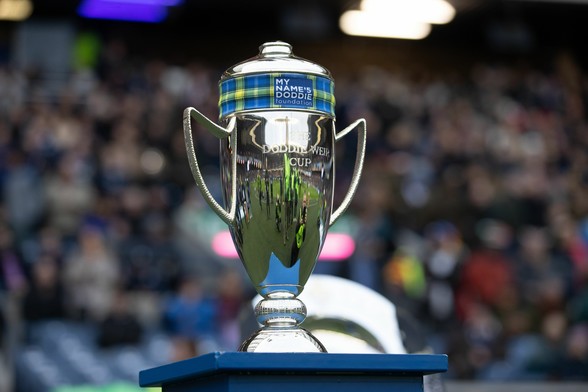
The Doddie Weir Cup: Scotland vs Wales
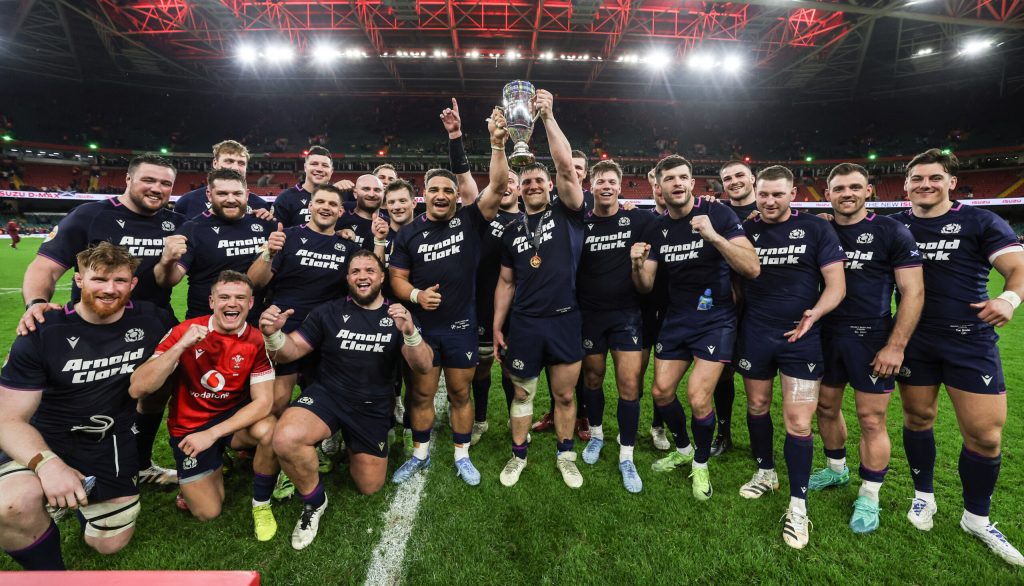
The Doddie Weir Cup was introduced in 2018 to be competed between Scotland and Wales. Scotland retained the trophy, having defeated Wales, 26-23, on 21st February at Millennium Stadium. This was Scotland’s fifth time winning the trophy.
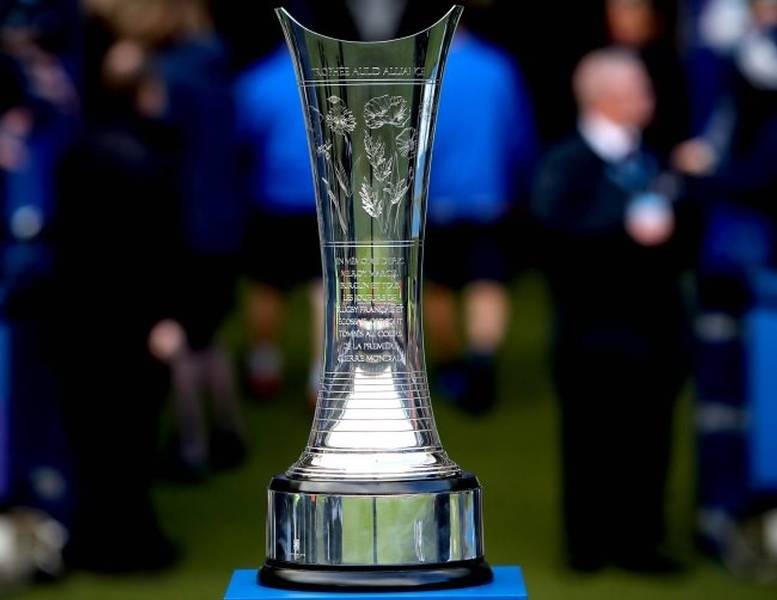
The Auld Alliance Trophy: France vs Scotland
The Auld Alliance Trophy is the rival trophy that is played between France and Scotland. It was introduced in 2018, and the 2026 edition was played at Murrayfield Stadium on 7th March. I watched the extended highlights of this game, and it was madness. 90 points were scored, with Scotland reclaiming the trophy by beating France, 50-40. It was Scotland’s first time winning the trophy since 2021, and its fourth time overall.
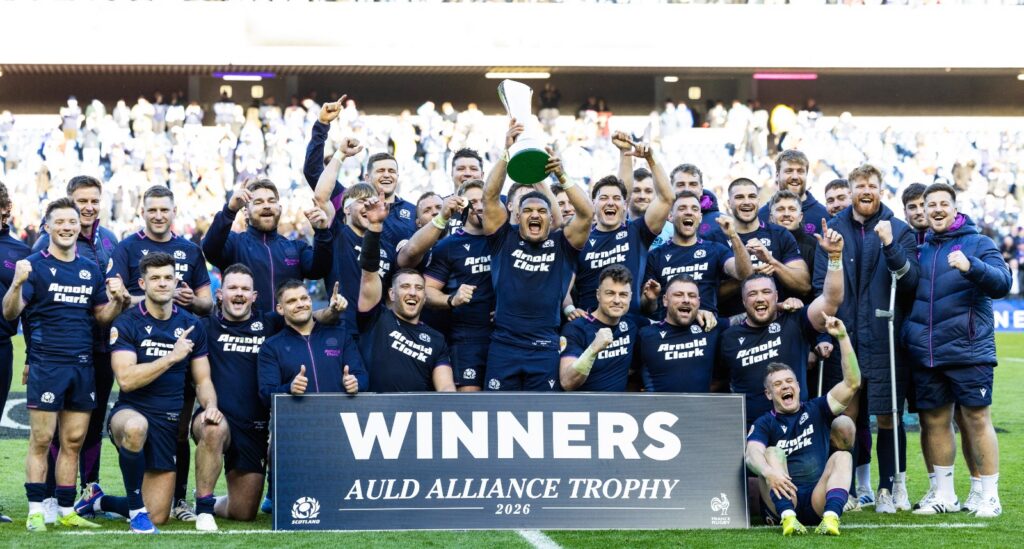
Credit: Scottish Rugby
The Giuseppe Garibaldi Trophy: France vs Italy
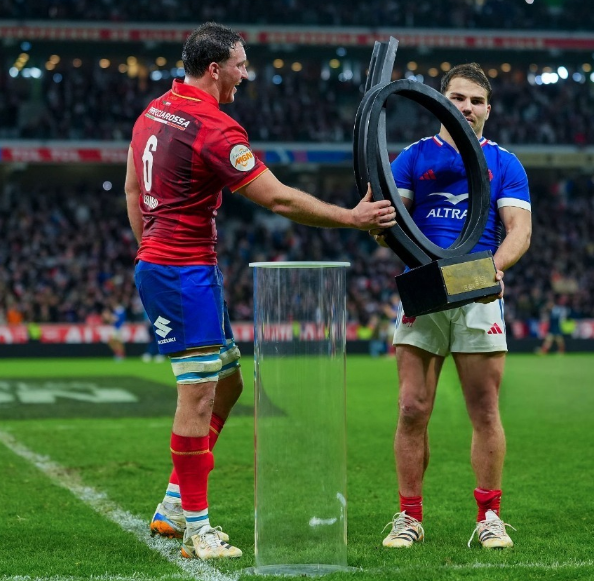
On 22nd February, France played Italy at the Stade Pierre-Mauroy, for the honour of winning the Giuseppe Garibaldi Trophy. This trophy was introduced in 2007, and since then, Italy have only won it twice. At the end of the game, France was victorious and retained the Giuseppe Garibaldi Trophy, downing Italy, 33-8. France has held the trophy since 2014.
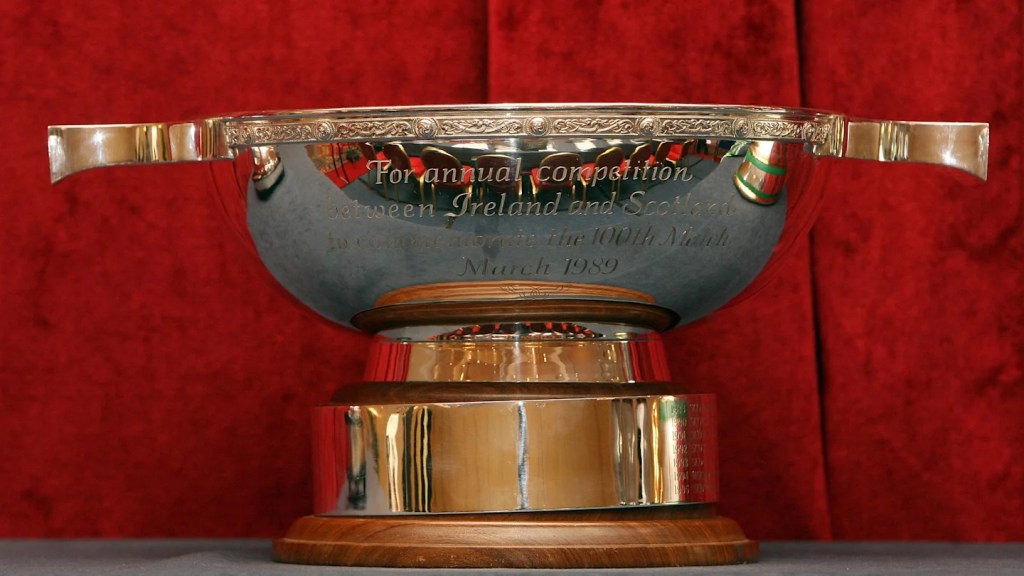
The Centenary Quaich: Ireland vs Scotland
This rival trophy was decided in the first game of the fifth and final round. Ireland and Scotland compete for the Centenary Quaich, which was introduced in 1989. The game was played on 14th March at Aviva Stadium, which saw Ireland triumph over Scotland, 43-21. Ireland retained the Centenary Quaich, which they have held since 2018.

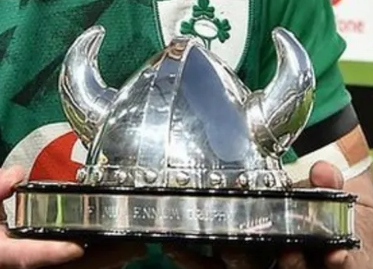
The Millennium Trophy: England vs Ireland
The Millennium Trophy was introduced in 1988 to be competed for between England and Ireland. Ireland retained the trophy, having defeated England, 42-21, on 21st February at Twickenham Stadium. Ireland has held the trophy since 2025.
Once again, I have searched the internet, but I could not find a single photo of Ireland celebrating winning the Millennium Trophy for 2026. Sorry, I looked for over 45 minutes.
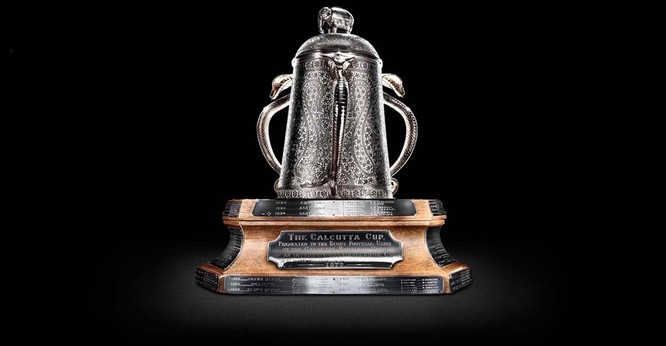
The Calcutta Cup: England vs Scotland
The Calcutta Cup, the oldest international rugby trophy in the world, is competed for between England and Scotland. It was introduced in 1879, and on 14th February, Scotland reclaimed the Calcutta Cup by defeating England at Murrayfield Stadium, 31-20.
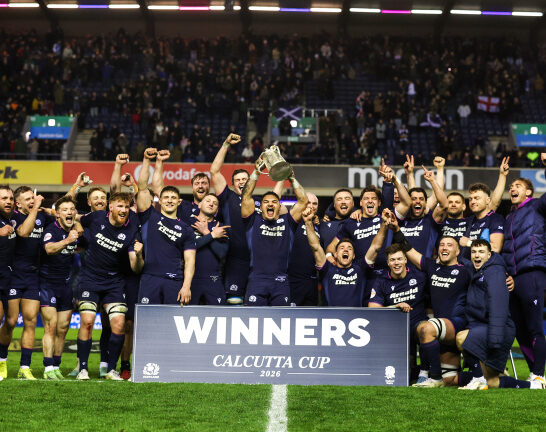
Six Nations Championship Wooden Spoon
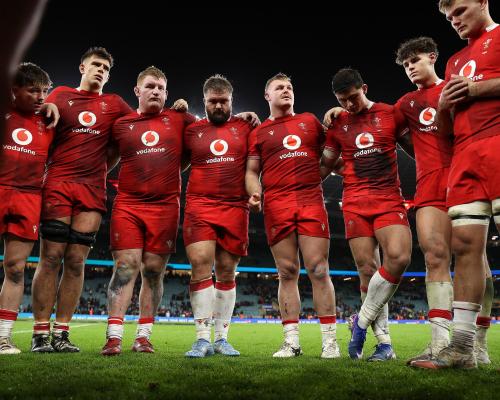
If you can cast your mind back, this title is a non-award, or rather a (dis)honour for the team that finished last in the championship. Wales finished bottom of the championship with six points and one win. Wales have been awarded the Wooden Spoon since 2024.
Six Nations Championship Grand Slam
Like the Wooden Spoon, the Grand Slam is a title or honour; it is not a trophy. To achieve the Grand Slam, a team needs to win all five games, essentially beating everybody else. For 2026, no one team managed to defeat all of the others, because each team suffered at least one loss.
This meant the Grand Slam was not achieved in 2026, though it’s interesting to note that the Grand Slam has not been achieved since Ireland did it in 2023.
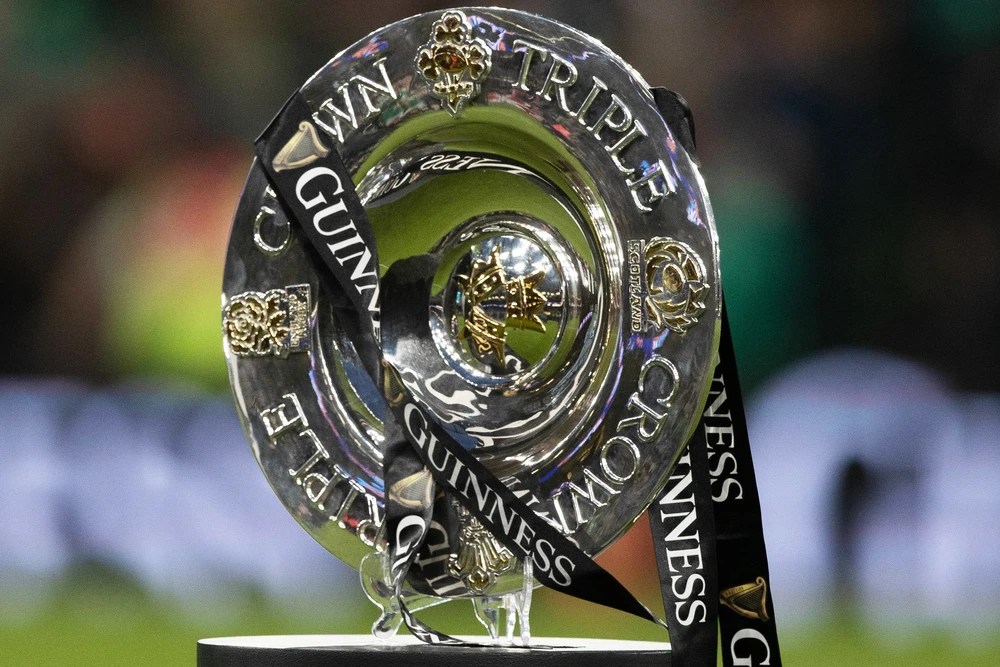
Six Nations Championship Triple Crown
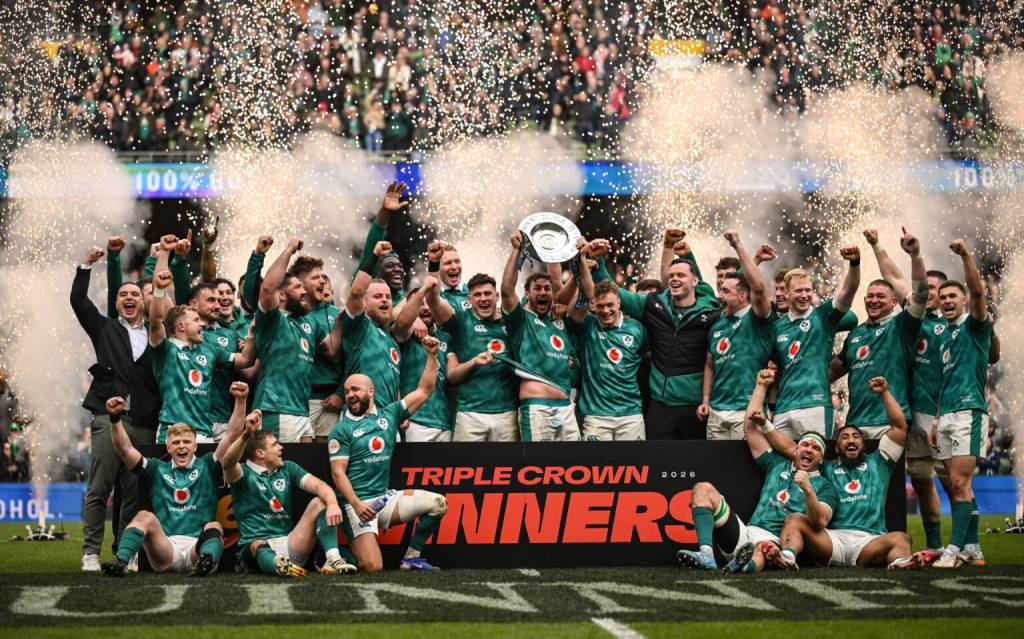
Unlike the past two entries, the Triple Crown is a trophy, though to be honest, it’s more like a plate. This trophy is played for between the Home Nations of England, Wales, Scotland and Ireland. It is only awarded to the team that defeats all three of the other Home Nation teams. It was first used in 1883, but a trophy was only introduced in 2006.
For 2026, Ireland won the Triple Crown, having defeated England 42-21, Wales 27-17, and Scotland 43-21. Ireland has retained the Triple Crown since 2022; however, since no team won the Triple Crown in 2024, Ireland held onto it by default.
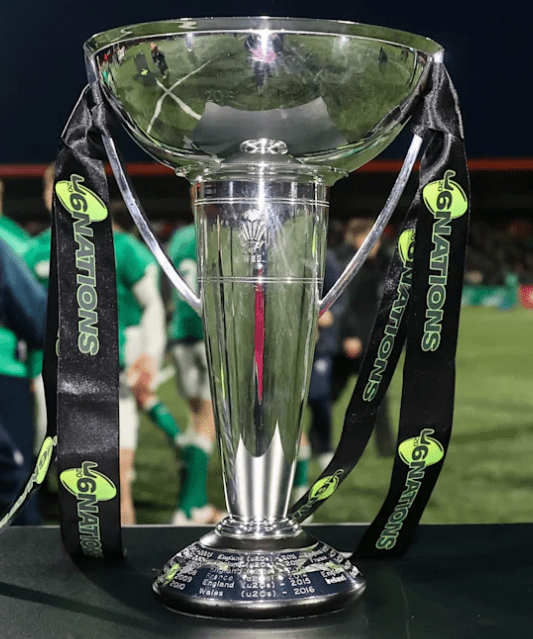
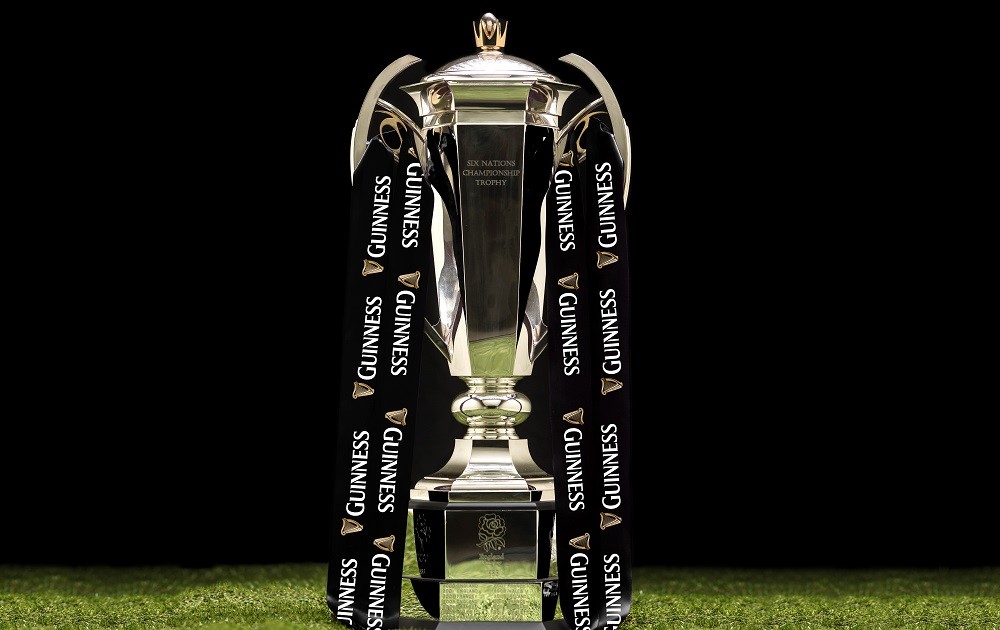
Six Nations Championship Trophy
And we saved the biggest and arguably the most important trophy for last. The current Six Nations Championship trophy was introduced in 2015 and is awarded to the team with the highest amount of points on the table, after the fifth and final round. The winning team for 2026 was France, with 21 points. France also won the trophy in 2025 for the first time since 2022.

So, if you have been keeping score, the results from 2025 and 2026 look like this:
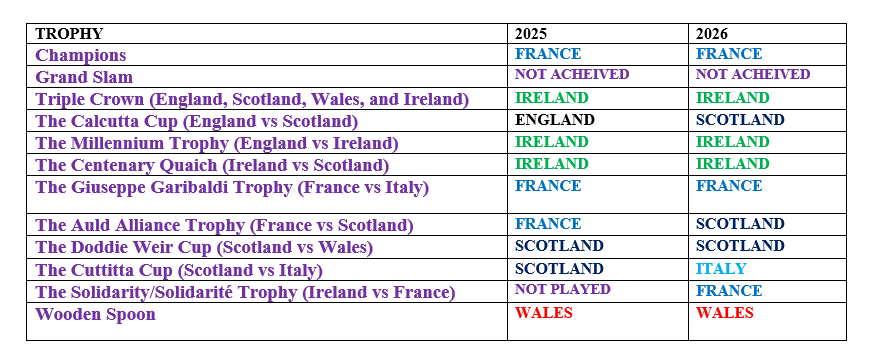
As you can see, France, Ireland, and Scotland have ended up with three trophies each, with Italy collecting one. Now, if you ask me who won the tournament and who came last, I would easily say unto you that France was the winner, as they came first, and Wales finished last.
However, if you asked me who the biggest winners and losers of the tournament were, I would give you different answers. Firstly, in my humble opinion, for the biggest winner(s), France has not changed since last year; as they finished first again, with 21 points, and collected three trophies (Yes, they did lose the Auld Alliance Trophy, but they gained the Solidarity Trophy).
Ireland started with three trophies and finished with the same three trophies, but also moved from third last year to second this year, so to me, they are the same, even achieving the same amount of points: 19.
So, what’s the answer? It’s Scotland and Italy, that’s who. I’ll explain. Like I said before, France and Ireland’s performances in 2026 are nearly identical to last year’s performances. Yes, both teams are amazing, but they haven’t improved. They both won four games and lost one.
Compare them to Scotland, which finished fourth last year with two trophies, two wins, three losses, and 11 points. And when measured against 2026’s results, we see that Scotland has improved. They ended up with three trophies, three wins, two losses, and 16 points.
In 2025, Italy finished fifth on the table, with no trophies, one win, four losses, and five points. Compared to this year, Italy finished fourth on the table, with one trophy, two wins, three losses, and nine points. To me, Scotland and Italy are the only two teams that have really improved since last year.
Alright, who is the biggest loser then? Again, it’s easy to point to Wales, because they finished last. Let’s examine Wales’ results last year as well. In 2025, Wales finished sixth (last) on three points, with no trophies, no wins, and five losses; but in 2026, Wales finished sixth again, but with six points, no trophies, one win, and four losses. That is a slight improvement.
No, the real loser of the tournament is England. The evidence is this: last year England finished second on the table with 20 points, one trophy, four wins, and one loss; however, in 2026, they finished fifth with eight points, no trophies, one win, and four losses. You can call Wales’ campaign as poor, but England’s was a disaster.
It was their worst result since the tournament became the Six Nations in 2000, and also the first time since 1987 that England had only secured one win in any of the Five Nations or Six Nations Championships. I’m honestly surprised Steve Borthwick has not been fired as coach yet, or that Maro Itoje has not been sacked as captain. I’m allowed to say this because New Zealand rugby is not in a good way at the moment, as well.
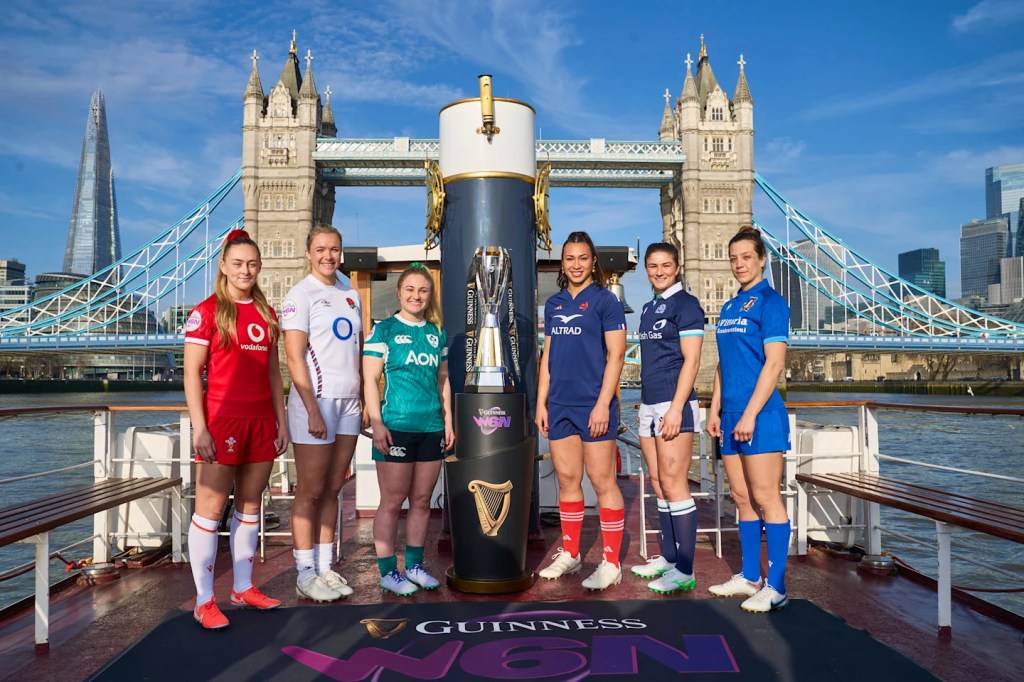
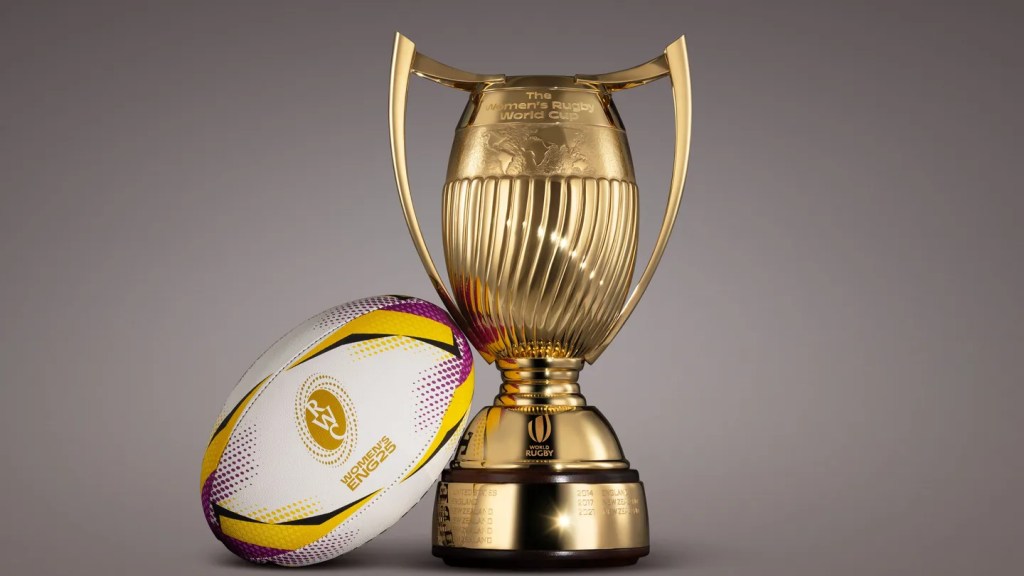
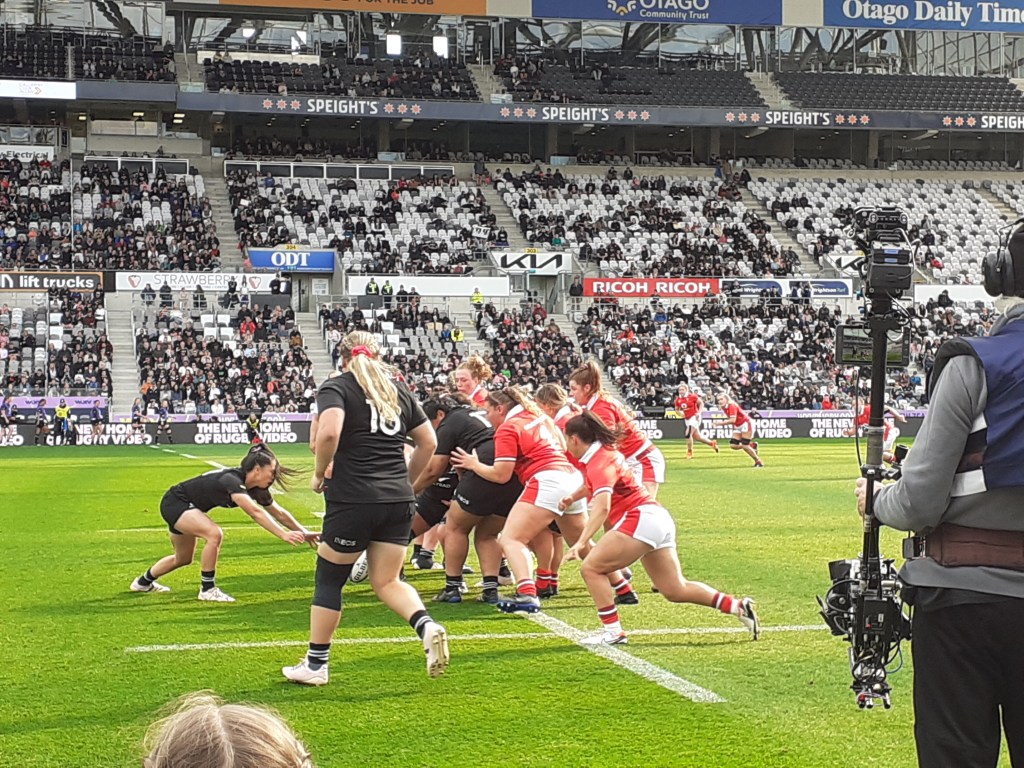
Again, just to be clear, I think Ireland and France are extremely dangerous teams that can beat anybody in the world, as they are ranked third and fourth on the World Rankings. New Zealand is very wary of them. The Women’s Six Nations Championship starts on 11th April, so we also need to keep track of that. Will the Red Roses win the championship again? I have no idea, but probably.
And that is another blog post for another week. Did you watch any of the Men’s Six Nations matches? As always, please let me know. Thanks again for reading, following, and subscribing to Some Geek Told Me. Please don’t forget to walk your dog, read a banned book, and I hope you enjoyed the equinox. Next week’s blog post has changed because of recent news, but I’ll explain all of that next time. Look after yourself, and I’ll see you on Monday.














 SOME GEEK TOLD ME
You must be logged in to post a comment.