
Hi, and welcome back. After last week’s mammoth undertaking of writing six entries for We Didn’t Start the Fire: 1961, I thought I might take it easy and discuss something light, like the Epstein Files. My wife asked me what I was blogging about this week, so I told her. “That’s a can of worms, isn’t it?” she replied. It certainly is.
I know, it’s not the most positive and uplifting story, now is it? However, this blog has been rattling around in my mind for some time now, so I apologise because I needed to get it out.
As usual with the hard-hitting journalism you have come to expect from yours truly, today’s blog post will not cover Jeffery Epstein per se, as in his crimes. His convictions for sex trafficking and child sex offences have been thoroughly covered and documented by seasoned and professional writers and reporters, not some part-time blogger from the South Pacific.
No, I would like to discuss the obvious aspects of the Epstein Files, which I believe need attention. Clear? Great, let’s see how I go with this.

Even in New Zealand, the Epstein Files continue to garner attention. Case in point, with my ugly mug. Now, if you don’t know what the Epstein Files are, then you have been either living a lonely lifestyle or living with the bliss of ignorance, and I don’t know which is better.
The best way for me to explain the Epstein Files is, sadly, to go back to Epstein himself. In a nutshell, for decades, Epstein was a high roller investor who, among other things, operated a sex trafficking business, where he located underage boys and girls, as well as adult women, and transported them to his ultra-elite friends/associates for sex crimes. Epstein died of suicide in 2019, while awaiting trial.
As for the Epstein Files, here is another crash course. They are a collection of records, numbering over six million documents, that relate to Epstein’s activities and crimes. They contain videos, documents, images, and emails that connect Epstein to some of his ultra-elite club of mates. There is more to it, but these are the bare bones of the situation.
Recently, the United States Department of Justice released over three million documents from the Epstein Files, where some were heavily redacted, while others were not redacted enough. With me so far?
Some of the names in the files were not a surprise, because they have been linked to Epstein for decades. The media and the public have known about the connections, just not what those connections were exactly. Essentially, just what their relationship to Epstein actually involved.
In the public court, any person named in the Epstein Files is guilty of sex crimes. However, before people are lynched because their name appeared in the Epstein Files, it pays to remember two things: under the law, people are innocent until proven guilty; and just because someone’s name is mentioned in the files, it does not mean they are automatically guilty.
To my understanding, Jon Stewart, Stephen Colbert, and even Pikachu were mentioned in the Epstein Files. However, at least to me, there is a colossal difference between being mentioned in Epstein-related emails, like the three above, versus being connected to Epstein’s activities, or at the very least, being in some way associated with him.
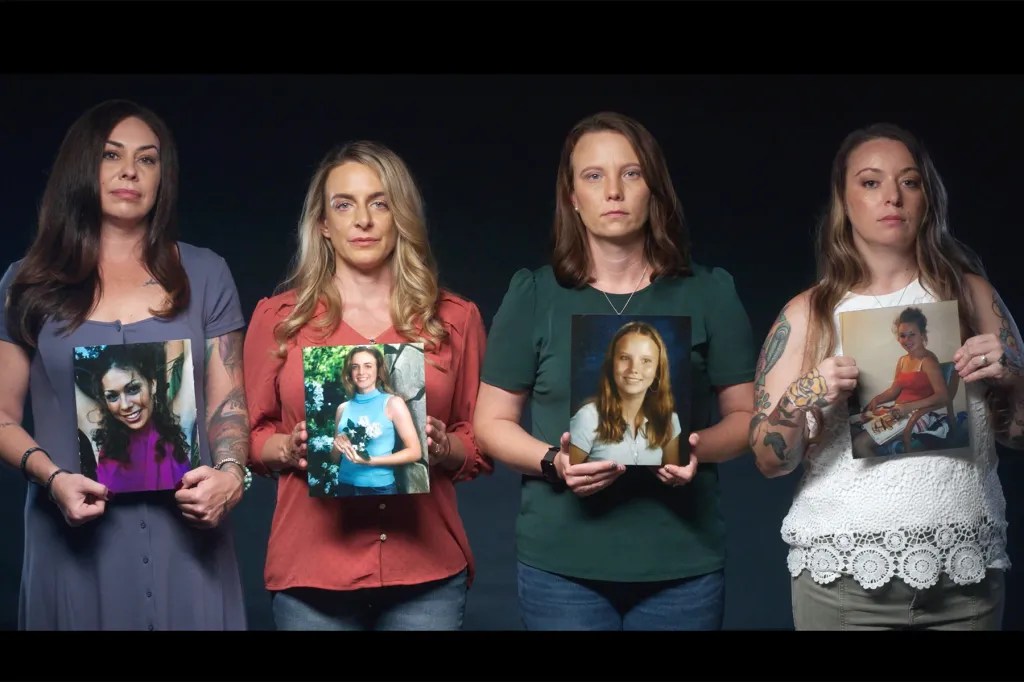
Over the last two weeks, we have seen several people resign from their jobs because of internal and external pressure applied to them over their connection to Epstein, no matter how innocent, benign, or small that connection was. Just the fact that they were in some way linked to Jeffrey Epstein means they are trying to save their image by resigning. Fair enough.
Some of these people I feel quite bad for, as they may not have done anything wrong. You are welcome to disagree with me, but I haven’t finished my rant. There’s another group of people I feel sorry for, and that is the survivors. Which, of course, guides us to the other names in the files; the real names of the people we really should care about.
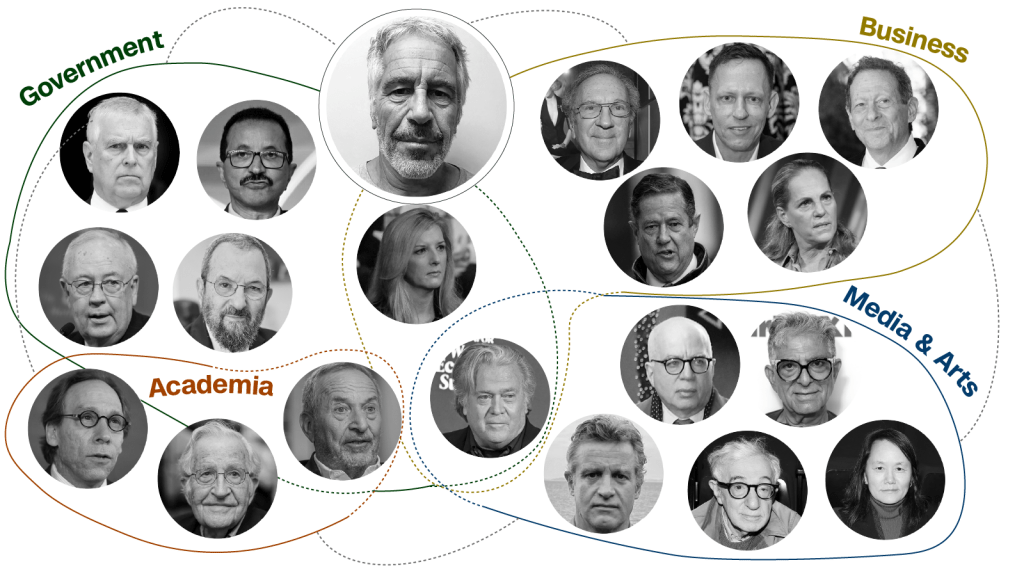
Like the difference between being mentioned in emails versus being involved with Epstein’s activities, there is also a difference between being mentioned three times in the files versus being mentioned 3,000, 30,000, or even 300,000 times. For me, it’s the number of times they are mentioned in the files, which is the concern.
Two people could be mentioned in the files, with one person being mentioned four times, while the other person’s name appears 38,000 times. In my opinion, out of the two, I would want to know why the second person is mentioned 38,000 times in the files connected to a children’s sex trafficking network.
Should the person whose name is mentioned five times in the files be investigated? Sure, by all means, yes. However, before we do that, we should talk to the person mentioned 38,000 times first.
This transition brings us to the bulk of my blog: Are any people ever going to be prosecuted, or at least investigated for possible sex crimes, related to the Epstein Files? I could be wrong about this, but Epstein’s operation lasted for decades, and in all of that time, only Epstein himself, Ghislaine Maxwell, and Jean-Luc Brunel have been prosecuted over the crimes. In saying that, over the new information release, Thorbjørn Jagland (Former Norwegian prime minister) and Peter Mandelson (British politician) are now facing charges.
Graphic: Alex Leeds Matthews, CNN
The sheer scale of the operation, and the famous and ultra-rich people involved in it, just boggles my mind that it went on for so long. It’s a stain of accountability that the perpetrators of these crimes have managed, potentially, to hide their crimes behind wealth, titles, and friends, believing that laws and rules do not apply to them.
That, because of their positions in the world, their belief that they can prey on the most vulnerable members of our society, children, and suffer no consequences or punishment, flies in the face of every adult trying to teach children about consequences.
The Epstein Files remind us of the worst of humanity, on what fame, money and power can bring to a person, to create a concept that they are untouchable; beyond the law, because laws don’t apply to them. They are like a real cabal of supervillains that Batman or Daredevil have finally unmasked to the world.
It also reflects the best of humanity. This is taken in the form of the survivors, their families, and other people supporting them, and advocating for justice, regardless of who and what they are up against.
They are some of the new role models for the 21st century; they are unrelenting in their crusade for the truth, and they are bringing all of the people involved with Epstein’s sex trafficking activities to justice. Because if we can’t, then what’s the point of retelling stories of good triumphing over evil, if we can’t make it a reality?
Maybe I’ve read far too many comic books and watched far too many movies, but I still have hope for us as a society that these people will not be able to hide and cover up their crimes, no matter who they are. Even though a lot of things still amaze me in this world, it’s staggering that releasing survivors’ names and redacting possible abusers’ names, somehow, in the eyes of the DOJ, is bringing justice to the matter, and not the other way around.
Again, just because someone’s name has appeared in the files does not mean they are guilty of anything; it’s the number of times they are mentioned that is worth our attention. Because of this, at the very least, these people whose names appear thousands of times, whether they were abusers or enablers, need to be investigated.
This web of corruption needs to be untangled, and this poses an interesting question: What if someone you have admired for years, for whatever reason, is directly linked to Epstein’s criminal activities? A few months ago, I saw a video with a woman on a panel with two other people, and she explained the reality of the situation. I can’t remember her exact words because I couldn’t find the clip again, but I’m going to paraphrase what she said, mixed with some of my own.
It shouldn’t matter whether we admire the people in the files or not, but the names of the abusers and enablers need to be released. Whether they are Republicans, Democrats, conservatives, liberals, actors, politicians, models, CEOs, scientists, musicians, writers, professors, or sports stars, it doesn’t matter; burn the whole house down. Release the names, or at the very least, law enforcement agencies around the world need to start doing something with the information, and to show people that these crimes will not go unpunished.
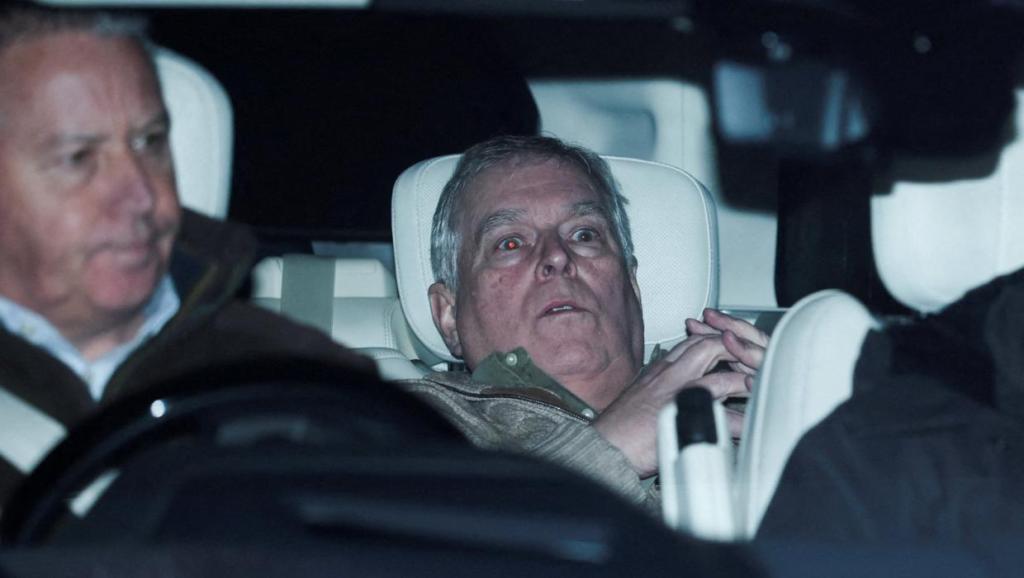
With the recent arrest of Andrew Mountbatten-Windsor (Former Duke of York), it pays to wonder if his investigation will bring about more charges levelled against him, but also, will other abusers and enablers be taken down as well?
These horrible threads need to be followed, regardless of where they lead, whether to a CEO’s office or the Oval Office; this needs to happen, for the sake of our own collective morality. The world will never move on from the Epstein Files until every single abuser and enabler has been found, investigated, and if need be, prosecuted and convicted. Nothing, absolutely nothing short of this will be any closure to survivors and their families.
And after that wonderful and positive thought, I shall take my leave of you, amazing people. Thanks again for reading, following, and subscribing to Some Geek Told Me. Please don’t forget to walk your dog, read a banned book, keep watching the T20 Men’s Cricket World Cup, and I’ll see you next week for some running. Cool bananas.



















 SOME GEEK TOLD ME
You must be logged in to post a comment.