
Over three years, I’ve amassed a delightful collection of topics on New Zealand’s 5th least favourite website. I’ve ranted about science, comics, books, movies, and Christmas. I’ve even discussed particle accelerators and my socks.
I sometimes use levity, or at least I try to when I’m discussing topics. But today’s topic is quite different because I have a question. As usual, some much-needed context is required for me to translate what I’m trying to discuss.
A few days ago, my wife read an article about a horror story in Palestine. When I saw her after work, she asked if I had heard of the story, to which I hadn’t. She then explained the story but also mentioned that she read about it in the morning, and for the entire day, she hadn’t been able to stop thinking about it.
She also explained how reading the article made her feel awful and that it had affected her deeply. When she finished talking about the article, she said she was torn about whether she was better off learning about the story or not.
This led me to the question, how does someone watch or read the news and not feel overwhelmed and negative about the world?
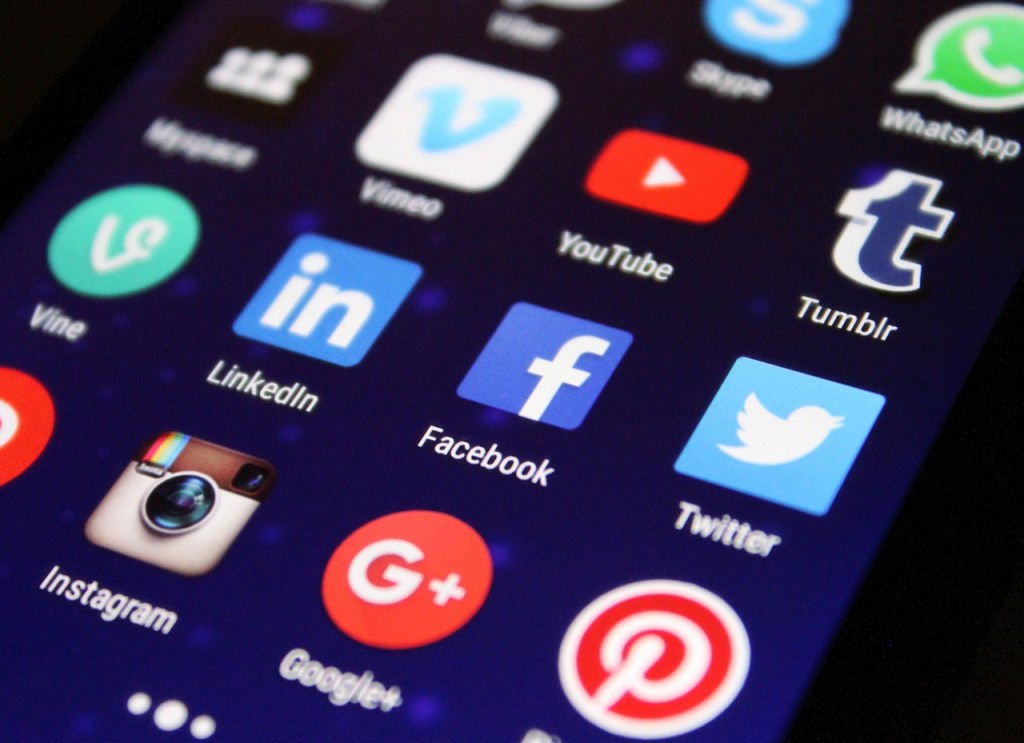
I’m not an expert on this, but it seems a rather important question.
Hundreds of years ago, and depending on where you lived, when an event occurred in your country, you may have heard about it after a few days, through the newspaper, or weeks or months later if there were none. For international news, it could have taken longer to learn about it.
It’s a little different nowadays. You can watch the live results of your general election while eating dinner at the table; you can watch the verdict of a high-profile trial while riding public transport; or even watch villages and cities get attacked in real-time, during your lunch break.
Through the internet, this connection to the world is in the palm of our hands. This connectivity is a double-edged sword, as both information and misinformation can spread rapidly.
The news can be inspiring and positive while instilling different amounts of hope in us. But what about the opposite? What if all the news you read and watch is negative? Inflation, rape, genocide, government corruption, drug scandals, climate change, cancer, wars, house prices, riots, racism, prejudice, gaslighting, well, the list could go on and on.
When is it time to stop watching the news? People complain that the world is going to shit, and it’s obvious through news coverage. Right? But in my humble opinion, I think it isn’t.
The world has always been a mixture of good, bad, and everything in between. There’s always been strife, wars, and chaos throughout history.
When the Black Death was ravaging Western Europe, people would have thought the world was going to shit.
When the conquistadors plundered and murdered their way through the New World, people would have thought the world was going to shit.
When Imperial Japan invaded China, people would have thought the world was going to shit.
Injustice, cruelty, and evil have always been with us. The difference is our access to these events in real-time. So are we better off not knowing about racism in New Zealand, a new school shooting in the United States, or gang rapes in India? Are we better off not knowing about the increasing dangers of climate change? Are we better off not knowing about the daily death counts in Palestine, Yemen, Ukraine, Myanmar, Sudan, or the Democratic Republic of the Congo?
I can’t answer those questions for you, but I know and understand the desire not to follow the news. Some of it is awful, whether it’s local, national, or international. It’s enough to make you crawl up into a ball and stay in bed. Who wants to be thinking about children starving, hospitals being bombed, and billionaires running in elections, when you can’t pay rent or the mortgage?
Sometimes reading, listening and watching the news is truly horrific and terrifying. However, from my perspective, there’s something worse than following the news; and it’s not following it.
Listening and following the news means a substantial amount to me. It means that I’m not living in ignorance about events, even if they are halfway around the planet, and I can’t do anything other than educate people about them.
You may feel helpless and overwhelmed when you learn about truly horrible news, but you’re not alone. It may seem that you are, but you’re not. Because you have these negative feelings, it proves two things; one is that it shows you have compassion and empathy; it shows your humanity, even if it doesn’t look like it.
The second point is that if you feel upset or outraged by a particular news story, chances are that people around the world, or even someone you know may feel the same way. It’s okay to allow yourself to feel angry because your anger is a gift. It really is.
Anger can bring about social reforms and real changes in your community, country, and the world. It really can.
If your council was screwing over veterans in your region, would you want to know?
If your local politician was targeting minorities and blaming them for your country’s problems, would you want to know?
If your government was cutting funding to the disabled people of your country, and giving that money to landlords as tax breaks, would you want to know?
There’s a phrase that I’ve always liked:
An entire ocean can only sink a ship if the ocean gets inside it. And just like the ship, you can only sink into despair, if you let the negativity of the world inside you. Don’t let it.
I feel it’s important to follow the news, regardless of how it makes you feel. If it makes you happy, then smile. If it makes you sad, then cry. If it makes you angry, then rage. Accept the feelings and experience them, because, strangely, it confirms that you’re still alive and that you matter.
Sorry, but I’ve ranted on far too long. I hope this helps someone like it helped me to talk about it.
Anyway, it’s time for me to go. Thanks again for reading, following, and subscribing to Some Geek Told Me. Please don’t forget to walk your dog, read a banned book, watch an Asterix movie, and I’ll see you next week because we’re visiting 1953.
 SOME GEEK TOLD ME
You must be logged in to post a comment.